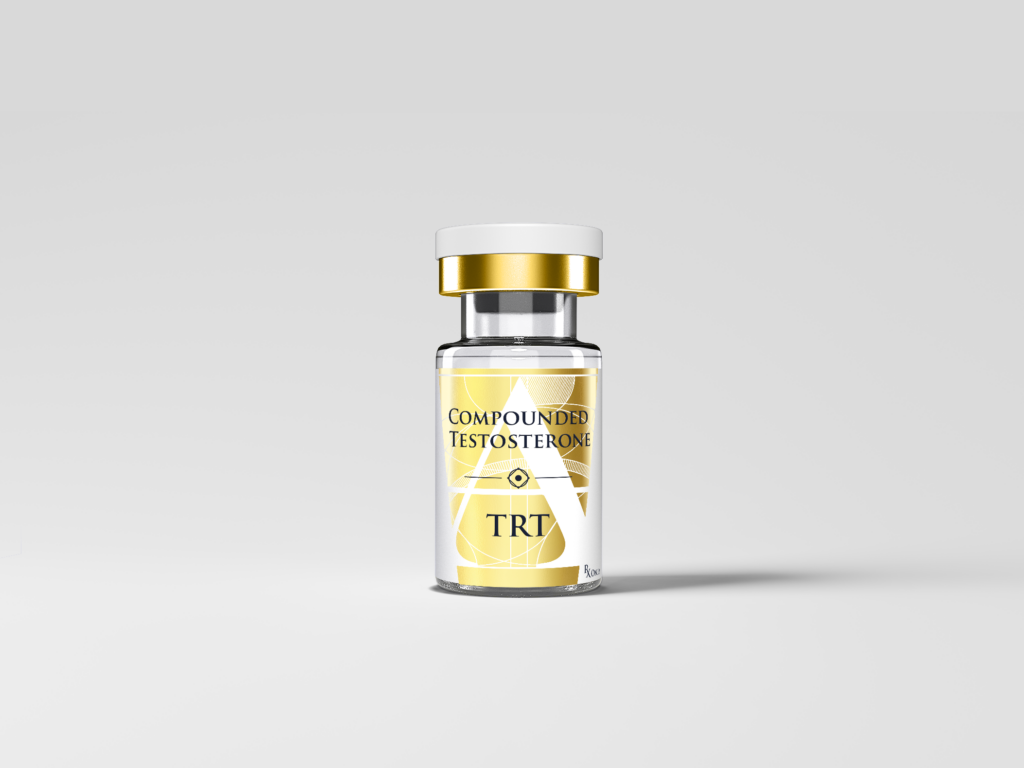
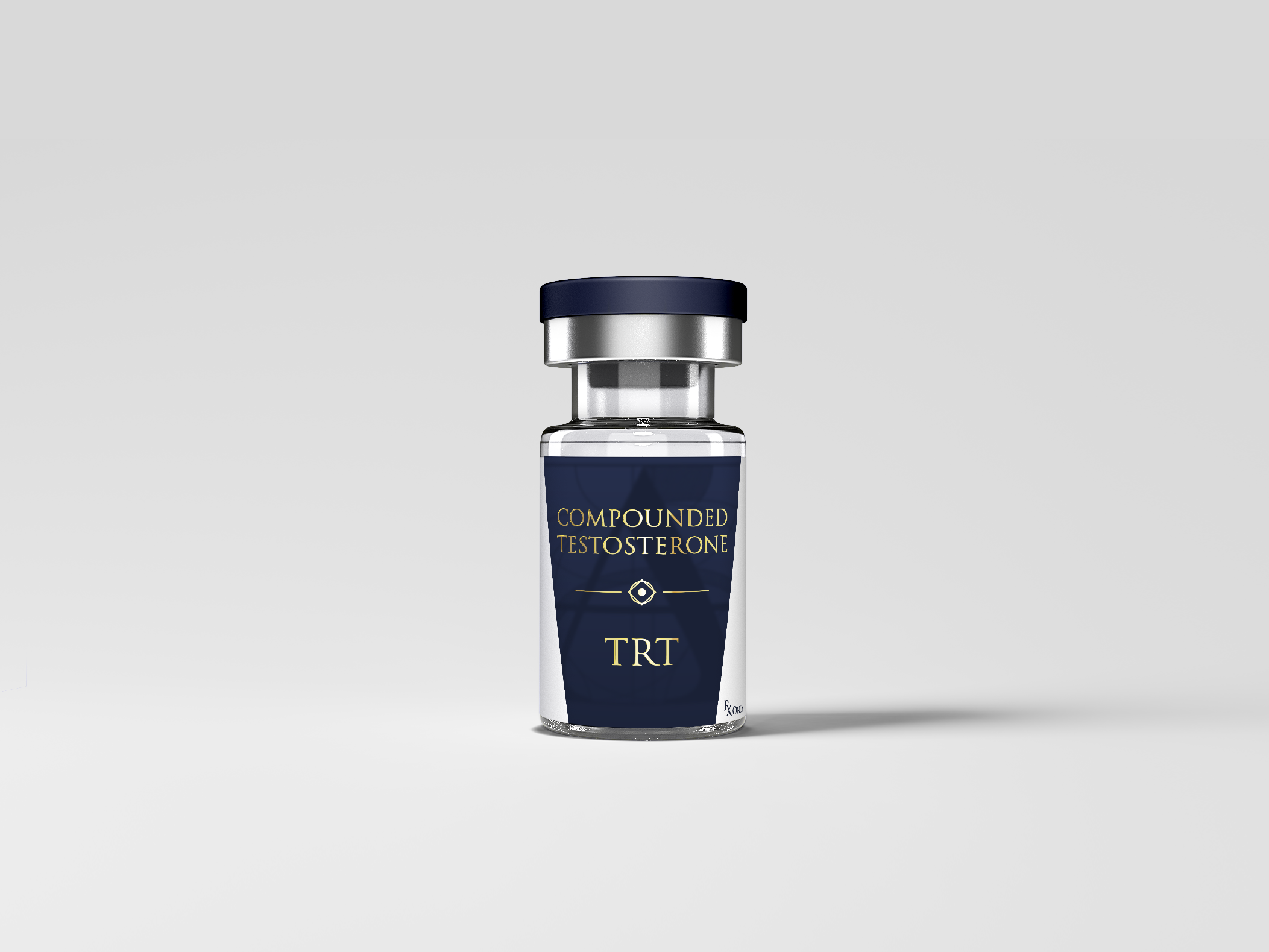
• In Stock
Kyzatrex®
Kyzatrex® is the registered trademark of Marius Pharmaceuticals, Inc. Alchemical Transformations Health Services, PC. is not affiliated with or endorsed by Marius Pharmaceuticals, Inc.

Kyzatrex®

From $$/mo

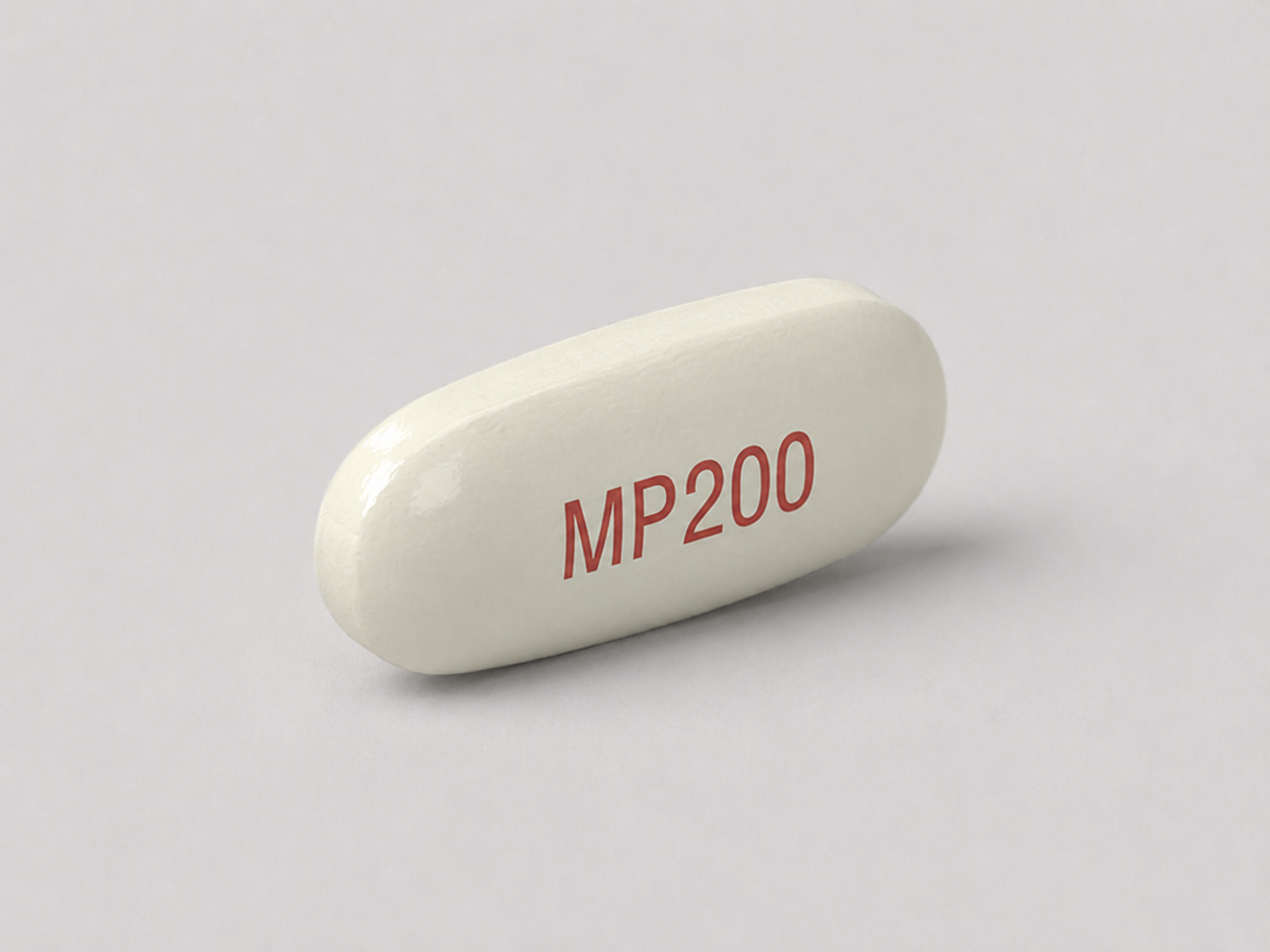
Kyzatrex® is a brand-name oral testosterone undecanoate manufactured by Marius Pharmaceuticals. It is taken as a capsule twice daily with food to restore testosterone to normal levels.

Kyzatrex® is FDA-approved for testosterone replacement therapy in adult males for conditions associated with a deficiency or absence of endogenous testosterone, also known as hypogonadism.

*Prescription required. Results may vary. For additional information, see product information.

Kyzatrex® is taken twice daily, once in the morning and once in the evening. Try to take each dose at approximately the same time every day.

Your provider may adjust your dose based on follow-up testosterone testing, which is typically performed in the morning a few hours after your morning dose. Continue taking the medication as directed unless your provider instructs you otherwise.

Potential Side Effects +

KYZATREX® is an oral testosterone therapy that requires medical supervision, including blood pressure monitoring and periodic lab work. The most common side effect reported with KYZATREX® is high blood pressure.

Known risks and side effects can include increased red blood cell count or hemoglobin, blood clots in the legs or lungs, worsening urinary symptoms from an enlarged prostate, increased PSA, swelling of the ankles, feet, or body, enlarged or painful breasts, sleep apnea symptoms, headache, joint or back pain, diarrhea, anxiety, constipation, and changes in cholesterol or other lipid markers.

Your healthcare provider should monitor your blood pressure, testosterone levels, red blood cell count, hemoglobin, PSA, lipid levels, and other safety markers during treatment. Contact your provider right away if you develop leg pain or swelling, chest pain, difficulty breathing, yellowing of the skin or eyes, dark urine, worsening urinary symptoms, significant swelling, or breathing problems during sleep.

You are encouraged to report negative side effects of prescription products:

The statements on this page have not been evaluated by the Food and Drug Administration. This product is not intended to diagnose, treat, cure or prevent any disease.

No injections

A twice-daily oral capsule taken with food, providing testosterone replacement without needles, gels, or weekly clinic visits.

Restored testosterone levels

In a six-month clinical trial of adult men with low testosterone, the majority of participants achieved normal testosterone levels by day 90 when taking Kyzatrex® twice daily with food.

FDA-approved oral testosterone

An FDA-approved testosterone replacement therapy available as a capsule, reviewed by the FDA for safety, effectiveness, and quality before being made available to patients.

Why Choose Kyzatrex® with ATHS?

Because effective treatment should be accessible from home and backed by real clinical oversight.

  • No mandatory subscription plans
  • Dispensed by a licensed U.S. pharmacy
  • HSA / FSA eligible
Why Choose Kyzatrex® with ATHS?

Welcome, Tony

Your Biomarkers Review

Biomarkers

94
Total
67
Optimal
23
In range
4
Out of range

Start with a deeper look at your health

Identifying your unique needs begins with analysis, including in-depth, 50-biomarker blood testing, personal health history, and validated questionnaires.

$65 per Biomarker Test

Get started

Learn More

Expert insights and educational resources

No blog posts selected. Please select posts in the element settings.

FAQ

Common questions

Can't find what you're looking for?

No sources added. Please add sources in the element settings.

Founder, Alchemical Health

Jorge

Partner With Us

Coming Soon

For inquiries, please contact

For Businesses

Coming Soon

For inquiries, please contact

• In Stock
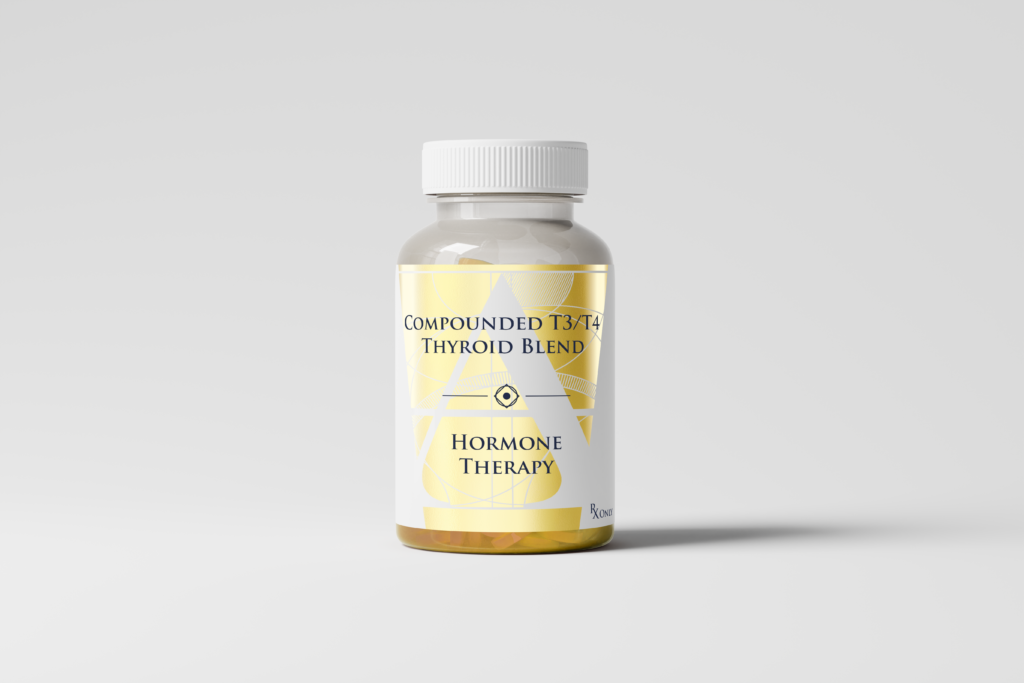
Compounded Combination T3/T4
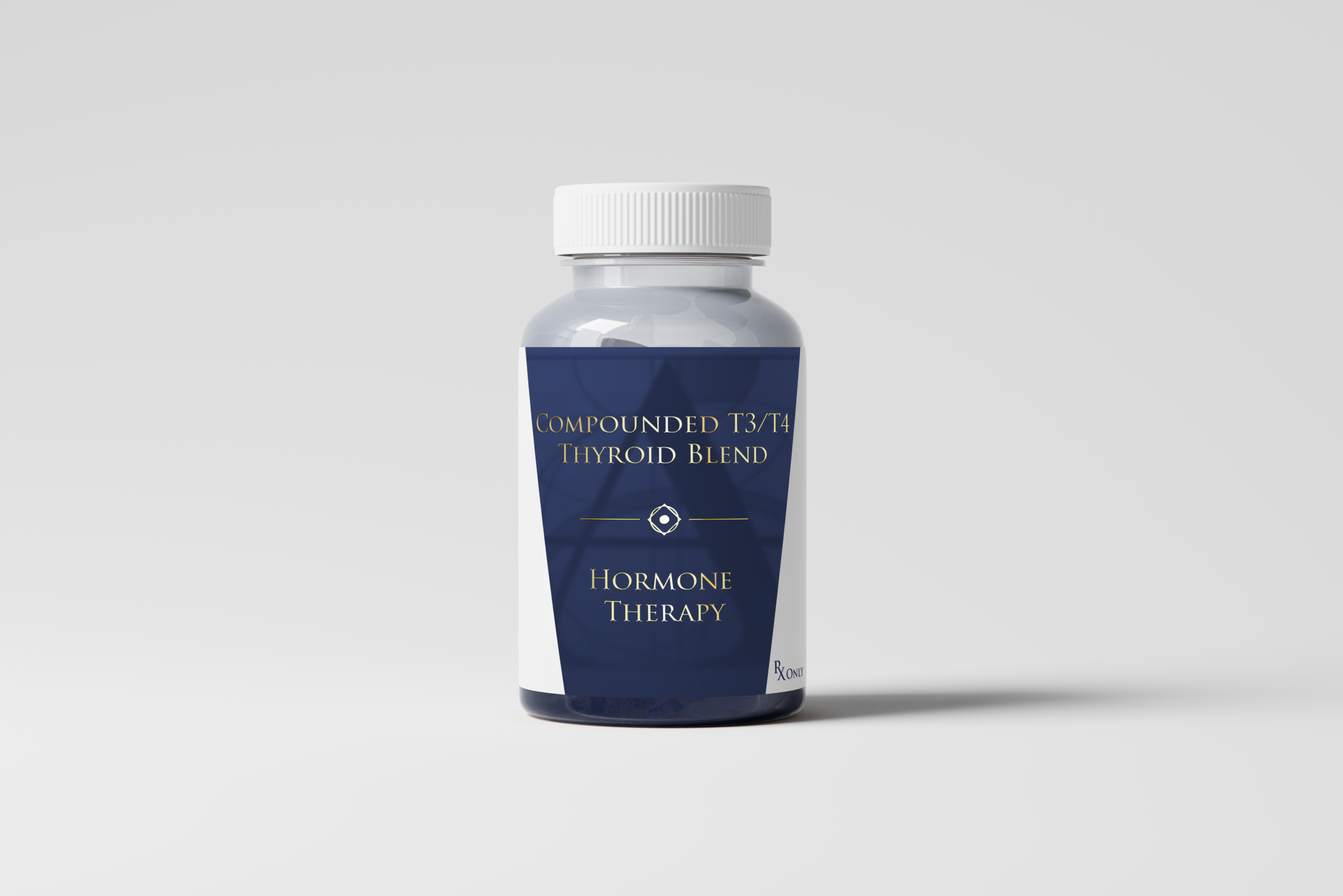
Image is for illustrative purposes only and does not reflect the actual product label or size of your prescription. This medication is compounded by a licensed compounding pharmacy based on your physician's prescription. ATHS does not manufacture compounded medications.
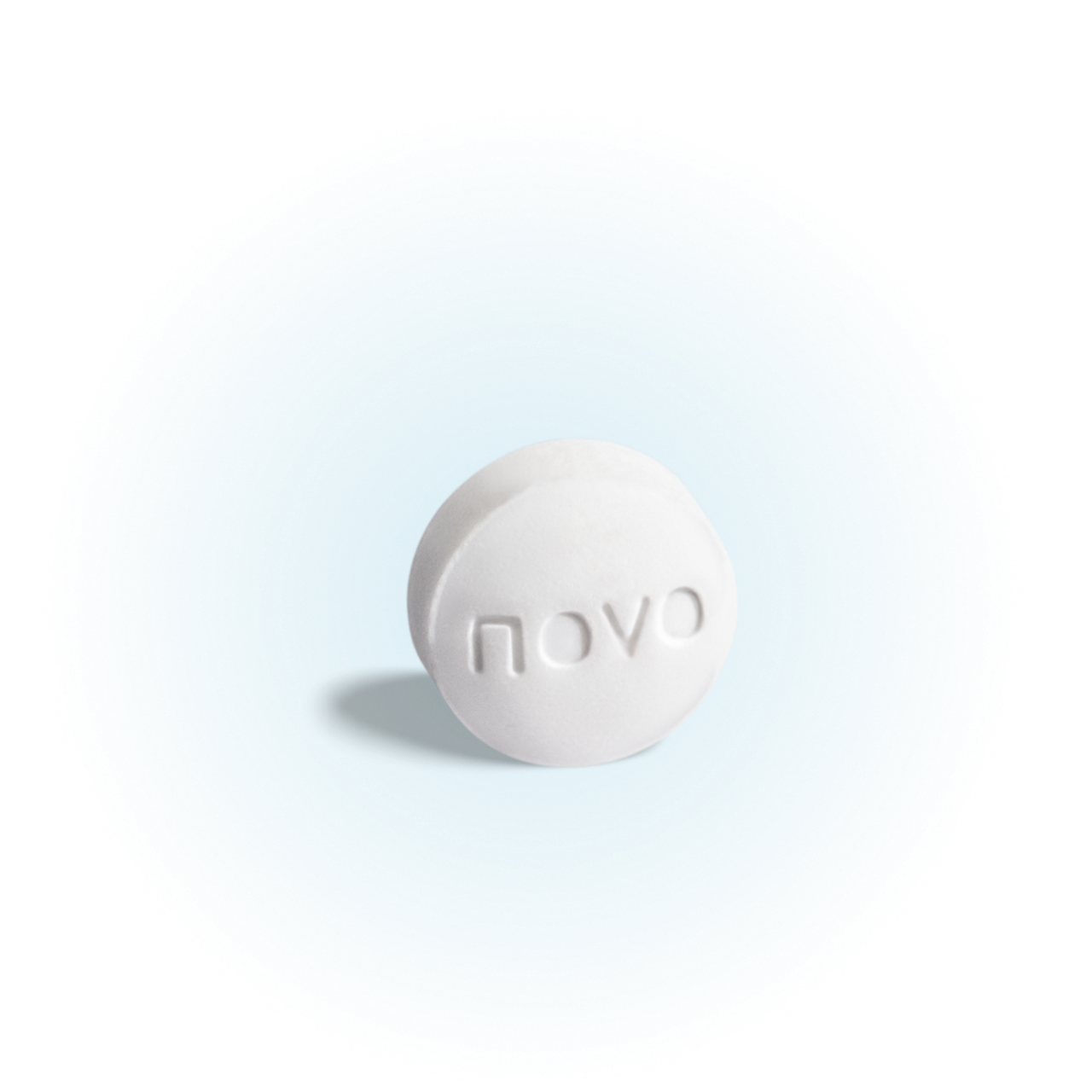
Compounded Combination T3/T4

From $/mo

The thyroid gland produces hormones that help regulate metabolism, energy, body temperature, and heart rate. When levels are low, treatment is used to replace what the body isn't producing. Levothyroxine (T4) is the standard therapy, but a physician may prescribe a combination of T4 and liothyronine (T3) based on the patient's history and response. This compounded capsule provides both in a single formulation.

Compounded medications are not FDA-approved and have not been evaluated by the FDA for safety, effectiveness, or quality prior to dispensing

Taken by mouth, typically once daily on an empty stomach. Your physician will determine the dose and ratio based on your lab results and clinical evaluation.

Potential Side Effects +

Possible Side Effects

Possible side effects of compounded T3/T4 are primarily related to excessive thyroid hormone levels and may include fatigue, increased appetite, weight loss, heat intolerance, fever, excessive sweating, headache, nervousness, anxiety, irritability, emotional changes, insomnia, tremor, muscle weakness, muscle cramps or spasms, palpitations, rapid heartbeat, increased pulse or blood pressure, shortness of breath, diarrhea, vomiting, abdominal cramps, flushing, rash, hair loss, menstrual changes, and impaired fertility.

Serious side effects may include chest pain, angina, abnormal heart rhythms, heart failure, heart attack, cardiac arrest, decreased bone mineral density, confusion, disorientation, seizure, shock, coma, or death in cases of severe overdosage.

Thyroid hormone therapy may worsen blood sugar control in patients with diabetes and may increase the need for insulin or other diabetes medications. Tell your healthcare provider if you have diabetes, high or low blood sugar, or use medications that affect blood sugar.

Hypersensitivity reactions to inactive ingredients may include hives, itching, skin rash, flushing, swelling of the face or throat, wheezing, fever, joint pain, serum sickness, nausea, vomiting, diarrhea, or abdominal pain.

Seek medical care right away if you develop chest pain, fainting, severe shortness of breath, severe or irregular heartbeat, severe allergic reaction, swelling of the face or throat, wheezing, confusion, seizure, or severe symptoms after taking too much compounded T3/T4.

Tell your healthcare provider if side effects are severe, persistent, worsening, or concerning.

You are encouraged to report negative side effects of prescription products:

The statements on this page have not been evaluated by the Food and Drug Administration. This product is not intended to diagnose, treat, cure, or prevent any disease.

Why Compounded T3/T4 with ATHS?

Because effective treatment should be accessible from home and backed by real clinical oversight.

  • No mandatory subscription plans
  • Dispensed by a licensed U.S. pharmacy
  • HSA / FSA eligible
Why Compounded T3/T4 with ATHS?

Welcome, Tony

Your Biomarkers Review

Biomarkers

94
Total
67
Optimal
23
In range
4
Out of range

Go beyond what you feel

A single blood panel can show you more about your health than most people ever see.

$179 per test

Get started

Learn More

Expert insights and educational resources

No blog posts selected. Please select posts in the element settings.

FAQ

Combination T3/T4 FAQ

Can't find what you're looking for?

• In Stock
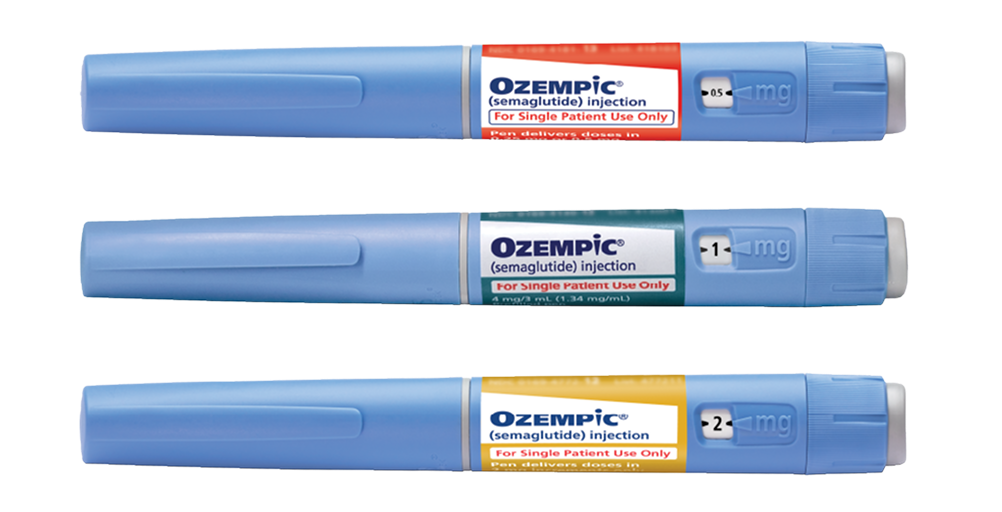
Ozempic® (Semaglutide) via NovoCare® Pharmacy
Ozempic® and Wegovy® are registered trademarks of Novo Nordisk A/S. Alchemical Transformations Health Services, P.C. is not affiliated with or endorsed by Novo Nordisk A/S.

Ozempic® (Semaglutide) via NovoCare® Pharmacy

From $/mo

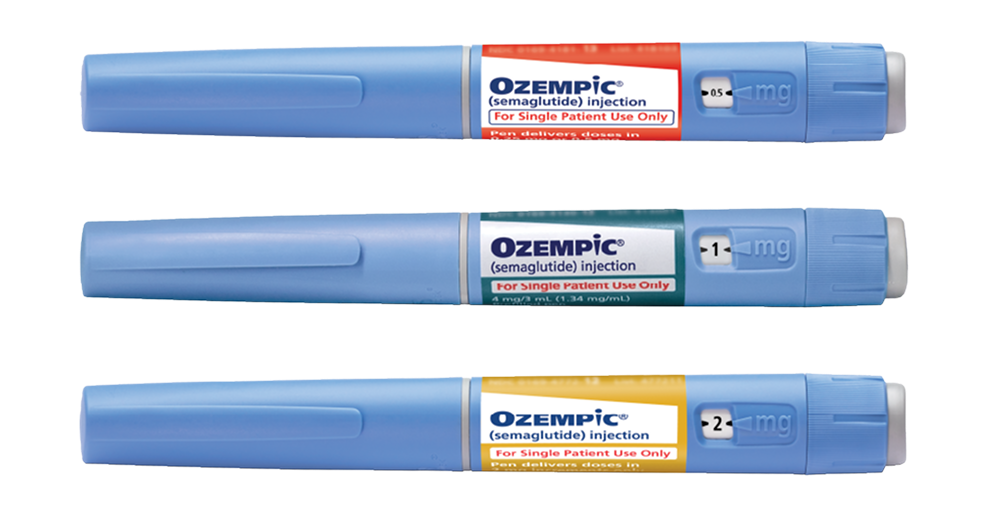
Ozempic® is a brand-name injectable semaglutide, a GLP-1 receptor agonist manufactured by Novo Nordisk. It works by mimicking a hormone your body naturally produces in response to food, stimulating insulin release when blood sugar is elevated and slowing gastric emptying. It is FDA-approved for use alongside diet and exercise to improve blood sugar in adults with type 2 diabetes. It is also commonly prescribed off-label for weight management; this use has not been evaluated or approved by the FDA for this product.

*Prescription required. Results may vary. For additional information, see product information.

Ozempic® is injected once weekly, on the same day each week, at any time of day, with or without meals. It is administered subcutaneously in the abdomen, thigh, or upper arm. Your physician will start you at a lower dose and gradually increase it. Take Ozempic® exactly as prescribed by your health care provider.

Potential Side Effects +

OZEMPIC® may cause side effects, especially stomach-related symptoms when starting treatment or increasing the dose. The most common side effects include nausea, vomiting, diarrhea, stomach or abdominal pain, and constipation.

Some side effects can be serious. Contact your healthcare provider right away if you develop severe or persistent stomach pain, pain that spreads to your back, vomiting or diarrhea that does not go away, symptoms of dehydration, changes in vision, symptoms of low blood sugar, signs of gallbladder problems, or symptoms of an allergic reaction. OZEMPIC® should not be used by men with a personal or family history of medullary thyroid carcinoma, or by patients with Multiple Endocrine Neoplasia syndrome type 2.

Men using OZEMPIC® with insulin or a sulfonylurea may have a higher risk of low blood sugar. Because OZEMPIC® is injected under the skin, injection-site reactions such as discomfort, redness, or irritation can also occur.

You are encouraged to report negative side effects of prescription products:

All medications require a consultation with a licensed physician who will determine if treatment is appropriate based on your labs and medical history.

Once-weekly subcutaneous injection

A single subcutaneous injection taken once a week, available as a prefilled, multi-dose pen designed for self-administration.

A1c reduction

In clinical trials, adults with type 2 diabetes taking Ozempic® alongside diet and exercise lowered their A1c by approximately 1.4 to 1.8 percentage points from baseline, depending on dose.

Cardiovascular event risk reduction

FDA-approved to reduce the risk of major adverse cardiovascular events (cardiovascular death, non-fatal heart attack, non-fatal stroke) in adults with type 2 diabetes and established cardiovascular disease.

Ozempic via NovoCare®

A Protocol Tailored to You

Get direct shipping through NovoCare® Pharmacy, your reliable source for authentic Ozempic®
No mandatory subscription plans
HSA / FSA eligible
Ozempic via NovoCare®

What's Included

Ozempic Injector Pen
Alcohol Wipes
Injector Guide

Welcome, Tony

Your Biomarkers Review

Biomarkers

94
Total
67
Optimal
23
In range
4
Out of range

Go beyond what you feel

A single blood panel can show you more about your health than most people ever see.

Starting at $179

Get started

Learn More

Expert insights and educational resources

No blog posts selected. Please select posts in the element settings.

FAQ

Ozempic® (Semaglutide) via NovoCare® Pharmacy FAQ

Can't find what you're looking for?

No sources added. Please add sources in the element settings.

• In Stock
Wegovy® (Semaglutide)
Ozempic® and Wegovy® are registered trademarks of Novo Nordisk A/S. Alchemical Transformations Health Services, P.C. is not affiliated with or endorsed by Novo Nordisk A/S.

Wegovy® (Semaglutide)

From $$/mo

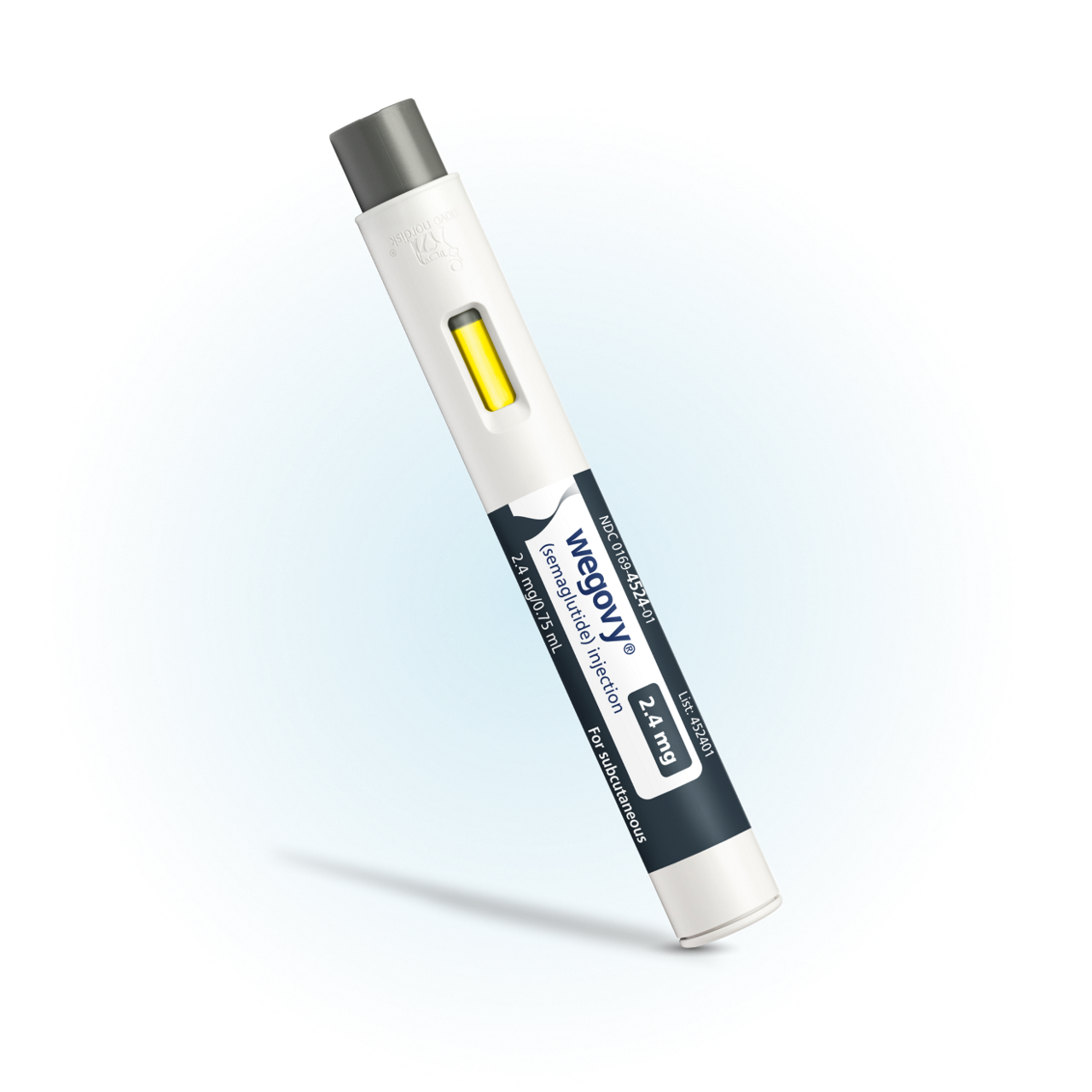
Wegovy® is a brand-name injectable semaglutide, a GLP-1 receptor agonist manufactured by Novo Nordisk. It works by mimicking a hormone your body naturally produces in response to food, reducing appetite signaling and slowing gastric emptying. It is FDA-approved as a once-weekly injection for chronic weight management in adults.

*Prescription required. Results may vary. For additional information, see product information.

Wegovy® is injected once weekly, on the same day each week, at any time of day, with or without meals. It is administered subcutaneously in the abdomen, thigh, or upper arm. Your physician will start you at a lower dose and gradually increase it over a period of weeks to help reduce gastrointestinal side effects. Take Wegovy® exactly as prescribed by your health care provider.

Potential Side Effects +

Possible Side Effects

The most common side effects of Wegovy® pens include nausea, diarrhea, vomiting, constipation, stomach or abdominal pain, altered skin sensation, headache, fatigue, indigestion, dizziness, abdominal bloating, burping, low blood sugar in patients with type 2 diabetes, gas, gastroenteritis, gastroesophageal reflux disease, and hair loss.

Injection site reactions may include itching, redness, inflammation, hardening, irritation, bruising, pain, swelling, or discomfort at the injection site.

Wegovy® may also cause serious side effects, including pancreatitis, gallbladder problems, low blood sugar, dehydration that can lead to kidney problems, severe stomach or intestinal side effects, serious allergic reactions, changes in vision in patients with type 2 diabetes, increased heart rate, and pulmonary aspiration during procedures requiring anesthesia or deep sedation.

Postmarketing reports with semaglutide include acute pancreatitis and necrotizing pancreatitis, sometimes resulting in death; ileus; intestinal obstruction; severe constipation including fecal impaction; anaphylaxis; angioedema; rash; hives; pulmonary aspiration; and acute kidney injury.

Seek medical care right away if you have severe or persistent stomach pain, pain that spreads to your back, severe nausea or vomiting, signs of dehydration, reduced urination, symptoms of low blood sugar, yellowing of the skin or eyes, swelling of the face or throat, trouble breathing, severe rash, fainting, a racing heartbeat while at rest, sudden vision changes, or sudden severe symptoms after using Wegovy®.

Tell your healthcare provider if side effects are severe, persistent, worsening, or concerning.

You are encouraged to report negative side effects of prescription products:

The statements on this page have not been evaluated by the Food and Drug Administration. This product is not intended to diagnose, treat, cure or prevent any disease.

Once-weekly subcutaneous injection

A single subcutaneous injection taken once a week, designed for self-administration with a prefilled, single-dose pen.

Significant weight loss

In a 68-week clinical trial, adults taking once-weekly Wegovy® injection lost an average of about 15% of body weight versus 2.4% with placebo, alongside a reduced-calorie diet and increased physical activity.

Cardiovascular event risk reduction

FDA-approved to reduce the risk of major adverse cardiovascular events (cardiovascular death, non-fatal heart attack, non-fatal stroke) in adults with established cardiovascular disease who are overweight or obese.

Wegovy via NovoCare®

Tailored to You

Get direct shipping through NovoCare® Pharmacy, your reliable source for authentic Wegovy®
No mandatory subscription plans
HSA / FSA eligible
Wegovy via NovoCare®

What's Included

Wegovy Injector Pen
Alcohol Wipes
Injector Guide

Welcome, Tony

Your Biomarkers Review

Biomarkers

94
Total
67
Optimal
23
In range
4
Out of range

Go beyond what you feel

A single blood panel can show you more about your health than most people ever see.

Starting at $179

Get started

Learn More

Expert insights and educational resources

No blog posts selected. Please select posts in the element settings.

FAQ

Wegovy Common questions

Can't find what you're looking for?

• In Stock
Oral Wegovy®
Ozempic® and Wegovy® are registered trademarks of Novo Nordisk A/S. Alchemical Transformations Health Services, P.C. is not affiliated with or endorsed by Novo Nordisk A/S.

Oral Wegovy®

From $/mo

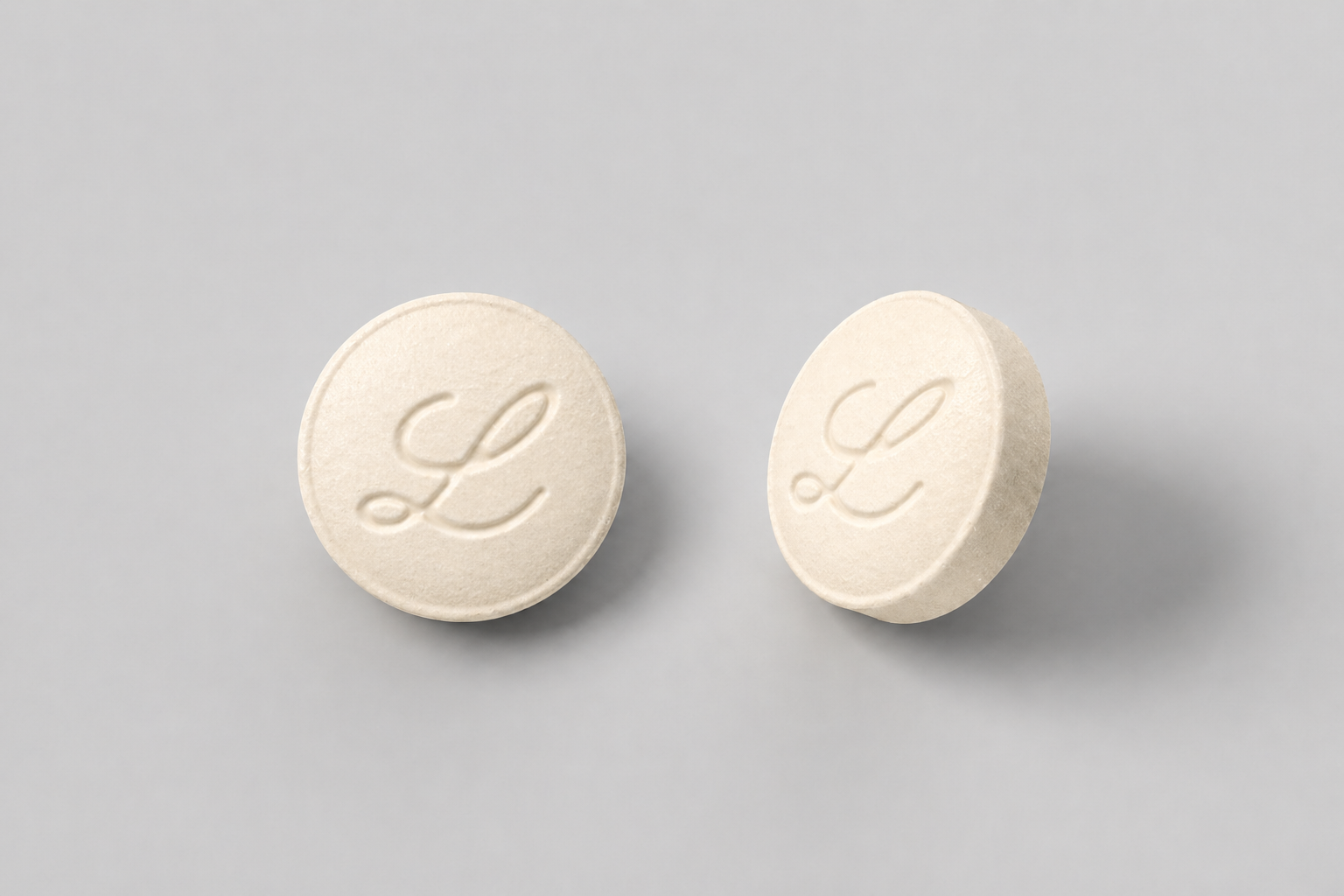
Wegovy® tablets are a brand-name oral semaglutide, a GLP-1 receptor agonist manufactured by Novo Nordisk. It works by mimicking a hormone your body naturally produces in response to food, reducing appetite signaling and slowing gastric emptying. It is FDA-approved as a once-daily tablet for chronic weight management in adults.

*Prescription required. Results may vary. For additional information, see product information.

Take one Wegovy® tablet once daily in the morning on an empty stomach. Swallow the tablet whole with water only (up to 4 ounces). Do not crush, split, chew, or dissolve the tablet. Wait at least 30 minutes after taking before eating any food, drinking any beverages, or taking other oral medications. If you miss a dose, skip it and take your next dose the following day. Your physician will start you at a lower dose and gradually increase it approximately every 30 days

Potential Side Effects +

WEGOVY® tablets may cause side effects, especially stomach-related symptoms during dose escalation. Common side effects can include nausea, diarrhea, vomiting, constipation, abdominal pain, headache, tiredness, upset stomach, dizziness, bloating, belching, gas, stomach flu, heartburn, changes in skin sensation, low blood sugar in people with type 2 diabetes, and hair loss.

Some side effects can be serious. Contact your healthcare provider right away if you develop severe or persistent stomach pain, pain that spreads to your back, vomiting that will not stop, signs of gallbladder problems, signs of dehydration, symptoms of low blood sugar, vision changes if you have diabetes, a racing heartbeat while at rest, or symptoms of an allergic reaction. WEGOVY® tablets are not recommended for patients with severe gastroparesis and should not be used by patients with a personal or family history of medullary thyroid carcinoma or Multiple Endocrine Neoplasia syndrome type 2.

You are encouraged to report negative side effects of prescription products:

All medications require a consultation with a licensed physician who will determine if treatment is appropriate based on your labs and medical history.

Once-daily tablet

A once-daily oral tablet taken on an empty stomach with a small amount of water, the first oral GLP-1 receptor agonist FDA-approved for weight management.

Significant weight loss

In a 64-week clinical trial, adults taking Wegovy® tablets 25 mg once daily lost an average of about 14% of body weight versus 2.4% with placebo, alongside a reduced-calorie diet and increased physical activity.

Cardiovascular event risk reduction

FDA-approved to reduce the risk of major adverse cardiovascular events (cardiovascular death, non-fatal heart attack, non-fatal stroke) in adults with established cardiovascular disease who are overweight or obese.

Why Oral Wegovy® with ATHS?

Because effective treatment should be accessible from home and backed by real clinical oversight.

  • No mandatory subscription plans
  • Get direct shipping through NovoCare® Pharmacy, your reliable source for authentic Wegovy®
  • HSA / FSA eligible
Why Oral Wegovy® with ATHS?

Welcome, Tony

Your Biomarkers Review

Biomarkers

94
Total
67
Optimal
23
In range
4
Out of range

Start with a deeper look at your health

Identifying your unique needs begins with analysis, including in-depth, 50-biomarker blood testing, personal health history, and validated questionnaires.

$65 per Biomarker Test

Get started

Learn More

Expert insights and educational resources

No blog posts selected. Please select posts in the element settings.

FAQ

Oral Wegovy FAQ

Can't find what you're looking for?

No sources added. Please add sources in the element settings.

• In Stock
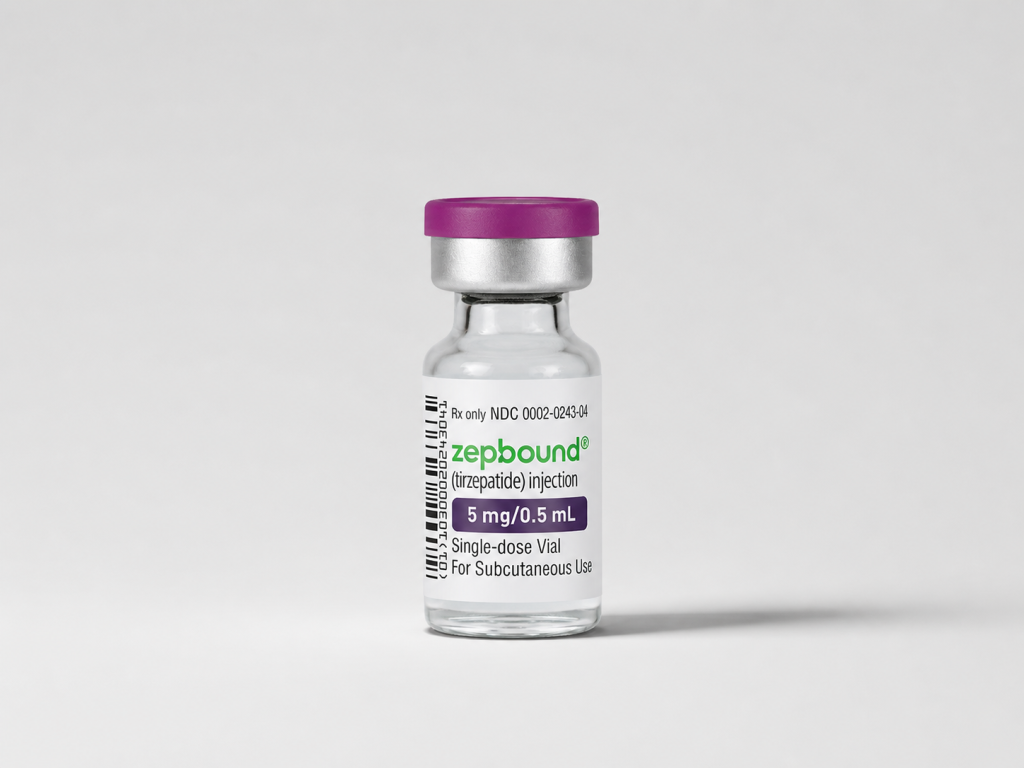
Zepbound® (Tirzepatide)
Zepbound® and Mounjaro® are registered trademarks of Eli Lilly and Company. Alchemical Transformations Health Services, P.C. is not affiliated with or endorsed by Eli Lilly and Company.

Zepbound® (Tirzepatide)

From $/mo

Zepbound® is a brand-name injectable tirzepatide, a dual GIP and GLP-1 receptor agonist manufactured by Eli Lilly and Company. It works by mimicking two hormones your body naturally produces, GIP and GLP-1, reducing appetite and caloric intake and slowing gastric emptying. It is FDA-approved as a once-weekly injection for chronic weight management in adults and for moderate-to-severe obstructive sleep apnea in adults with obesity.

*Prescription required. Results may vary. For additional information, see product information.

Zepbound® is injected once weekly, on the same day each week, at any time of day, with or without meals. It is administered subcutaneously in the abdomen, thigh, or upper arm. Your physician will start you at 2.5 mg and gradually increase the dose.

Potential Side Effects +

Possible Side Effects

The most common side effects of Zepbound® include nausea, diarrhea, vomiting, constipation, stomach or abdominal pain, indigestion, injection site reactions, fatigue, hypersensitivity reactions, burping, hair loss, and gastroesophageal reflux disease.

Other reported side effects include gas, abdominal bloating, dizziness, low blood pressure, altered skin sensation, altered taste, dry mouth or dry throat, increased heart rate, low blood sugar, gallbladder problems, kidney injury, increased amylase or lipase, ileus, intestinal obstruction, and severe constipation including fecal impaction.

Injection site reactions may include bruising, redness, itching, pain, rash, irritation, swelling, or discomfort at the injection site.

Zepbound® may also cause serious side effects, including severe gastrointestinal reactions, dehydration that can lead to kidney problems, gallbladder disease, pancreatitis, serious allergic reactions, low blood sugar, diabetic retinopathy complications in patients with type 2 diabetes, pulmonary aspiration during procedures requiring anesthesia or deep sedation, and risk of blood-borne pathogen transmission if a Zepbound® KwikPen is shared.

Seek medical care right away if you have severe or persistent stomach pain, pain that spreads to your back, severe vomiting or diarrhea, signs of dehydration, reduced urination, yellowing of the skin or eyes, symptoms of low blood sugar, swelling of the face or throat, trouble breathing, severe rash, fainting, sudden vision changes, or sudden severe symptoms after using Zepbound®.

Tell your healthcare provider if side effects are severe, persistent, worsening, or concerning.

You are encouraged to report negative side effects of prescription products:

All medications require a consultation with a licensed physician who will determine if treatment is appropriate based on your labs and medical history.

Clinical Oversight

Your treatment is prescribed and monitored by a licensed medical provider to ensure the highest standard of care.

Data-Driven Protocols

Comprehensive diagnostics to inform a safe and clinically appropriate treatment protocol.

Patient-Specific Formulation

Receive medications custom-formulated to address your precise physiological requirements.

Zepbound® via LillyDirect

Tailored to You

Get direct shipping through LillyDirect® Pharmacy, your reliable source for authentic Zepbound®.
No mandatory subscription plans
HSA / FSA eligible
Zepbound® via LillyDirect

What's Included

Zepbound Injector Pen or Vial
Alcohol Wipes
Injector Guide

Welcome, Tony

Your Biomarkers Review

Biomarkers

94
Total
67
Optimal
23
In range
4
Out of range

Go beyond what you feel

A single blood panel can show you more about your health than most people ever see.

Starting at $179

Get started

Learn More

Expert insights and educational resources

No blog posts selected. Please select posts in the element settings.

FAQ

Zepbound FAQ

Can't find what you're looking for?

• In Stock
Foundayo™
Foundayo™ is the registered trademarks of Eli Lilly and Company. Alchemical Transformations Health Services, P.C. is not affiliated with or endorsed by Eli Lilly and Company.

Foundayo™

From $$/mo

Foundayo™ is the brand name for orforglipron, a once-daily small-molecule, non-peptide GLP-1 receptor agonist, taken as an oral tablet with no restrictions on food or water.

By activating GLP-1 receptors in the brain and gut, it suppresses appetite and slows gastric emptying, which together lower overall caloric intake.

Foundayo™ is FDA-approved for chronic weight management in adults with obesity, or in adults with overweight who have at least one weight-related medical condition, when used alongside a reduced-calorie diet and increased physical activity.

*Prescription required. Results may vary. For additional information, see product information.

Take Foundayo by mouth 1 time each day, with or without food.

Potential Side Effects +

Possible Side Effects of Foundayo™

Like all prescription medications, Foundayo™ may cause side effects. Not everyone will experience the same side effects, and some side effects may improve as your body adjusts to treatment.

Common side effects

The most common side effects reported by people taking Foundayo include:

  • Nausea
  • Constipation
  • Diarrhea
  • Vomiting
  • Indigestion
  • Stomach or abdominal pain
  • Headache
  • Swollen belly
  • Feeling tired
  • Belching
  • Heartburn
  • Gas
  • Hair loss

Stomach-related side effects

Gastrointestinal side effects such as nausea, vomiting, and diarrhea may be more likely when starting Foundayo or when increasing the dose. These side effects may decrease over time, but you should contact your healthcare provider if they are severe, persistent, or concerning.

Serious side effects

Foundayo can cause serious side effects, including severe stomach problems and dehydration that may lead to kidney problems. Nausea, vomiting, or diarrhea that does not go away can cause fluid loss. Drink fluids as directed and contact your healthcare provider right away if these symptoms continue or worsen.

When to contact your healthcare provider

Tell your healthcare provider if you have side effects that bother you, become severe, or do not go away. Seek medical help right away if you experience symptoms that feel serious, sudden, or unusual.

This is not a complete list of possible side effects. For more information, talk to your healthcare provider or pharmacist.

You are encouraged to report negative side effects of prescription products:

All medications require a consultation with a licensed physician who will determine if treatment is appropriate based on your labs and medical history.

Once-daily oral tablet

Foundayo™ is the first FDA-approved GLP-1 medication for chronic weight management taken as a once-daily tablet rather than a weekly injection.

No timing restrictions

Take Foundayo at any time of day, with or without food.

Prescription weight management

Foundayo™ is used with a reduced-calorie diet and increased physical activity to help eligible adults reduce excess body weight and maintain weight reduction long term.

Why Choose Foundayo™ ATHS?

Because effective treatment should be accessible from home and backed by real clinical oversight.

  • No mandatory subscription plans
  • Dispensed by a licensed U.S. pharmacy
  • HSA / FSA eligible
Why Choose Foundayo™ ATHS?

Welcome, Tony

Your Biomarkers Review

Biomarkers

94
Total
67
Optimal
23
In range
4
Out of range

Start with a deeper look at your health

Identifying your unique needs begins with analysis, including in-depth, 50-biomarker blood testing, personal health history, and validated questionnaires.

$65 per Biomarker Test

Get started

Learn More

Expert insights and educational resources

No blog posts selected. Please select posts in the element settings.

FAQ

Common questions

Can't find what you're looking for?

• In Stock
Compounded Sermorelin
Image is for illustrative purposes only and does not reflect the actual product label or size of your prescription. This medication is compounded by a licensed compounding pharmacy based on your physician's prescription. ATHS does not manufacture compounded medications.
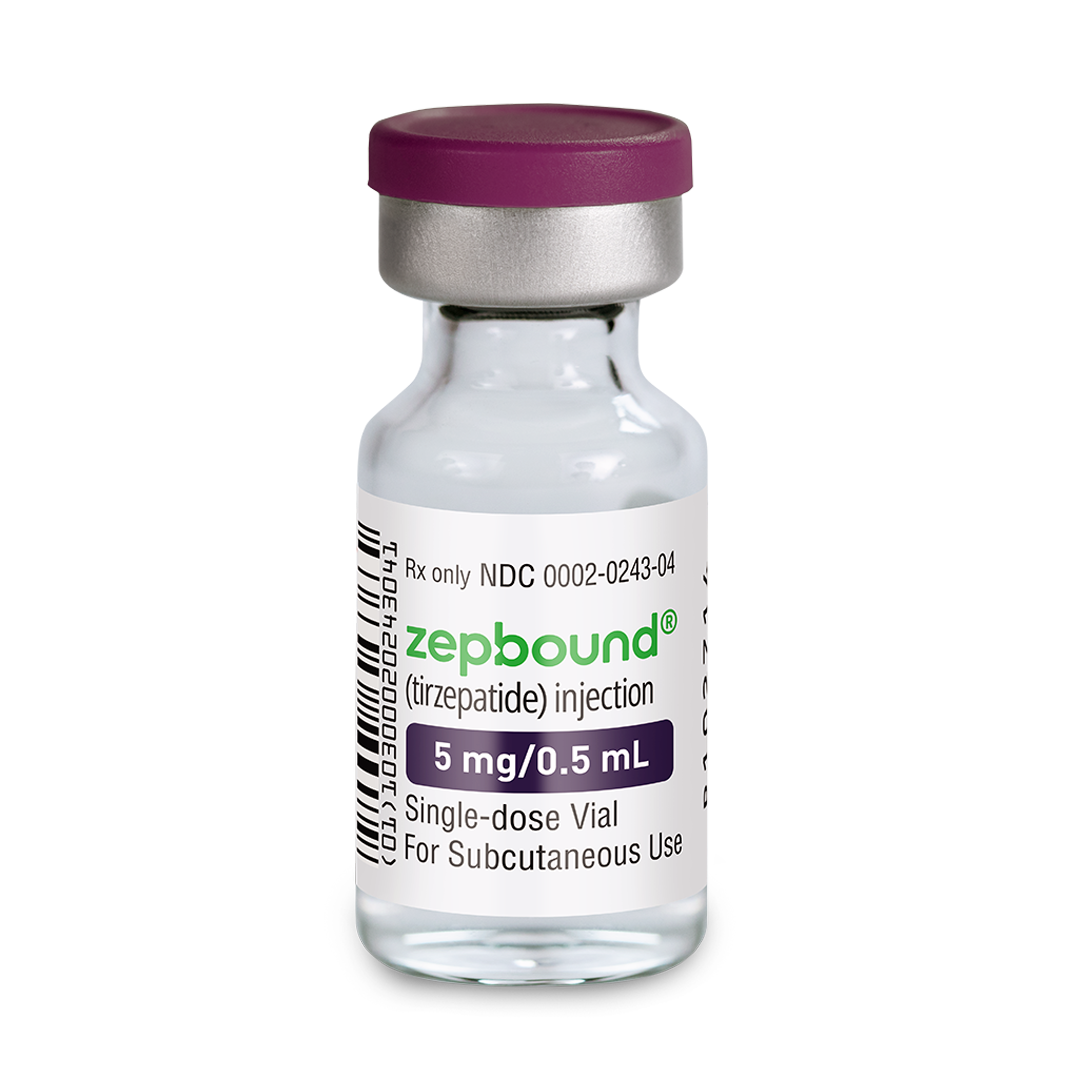
Compounded Sermorelin

From $/mo

Sermorelin is a peptide that mimics growth hormone-releasing hormone (GHRH), the natural signal that prompts the pituitary gland to release growth hormone.

Compounded medications are not FDA-approved and have not been evaluated by the FDA for safety, effectiveness, or quality prior to dispensing

Typically administered by subcutaneous injection, often at bedtime, as prescribed by your provider. Dosing and frequency are based on your labs and goals.

Potential Side Effects +

Possible Side Effects

Possible side effects of compounded sermorelin may include pain, redness, swelling, itching, irritation, bruising, or discomfort at the injection site.

Other possible side effects may include headache, dizziness, flushing, sleepiness, nausea, restlessness, or trouble sitting still.

Allergic or hypersensitivity reactions may occur. Seek medical care right away if you develop trouble swallowing, swelling of the face or throat, trouble breathing, hives, severe rash, fainting, or sudden severe symptoms after using compounded sermorelin.

Because sermorelin acts on growth hormone-releasing hormone pathways, your provider may monitor IGF-1, blood sugar, thyroid function, and other labs when clinically appropriate. Tell your healthcare provider if you have diabetes, blood sugar problems, thyroid disease, pituitary disease, a history of cancer, active cancer, abnormal growths or tumors, or new or unusual symptoms during treatment.

Tell your healthcare provider if side effects are severe, persistent, worsening, or concerning.

You are encouraged to report negative side effects of prescription products:

The statements on this page have not been evaluated by the Food and Drug Administration. This product is not intended to diagnose, treat, cure, or prevent any disease.

Why Sermorelin with ATHS?

Because effective treatment should be accessible from home and backed by real clinical oversight.

No mandatory subscription plans
Dispensed by a licensed U.S. pharmacy
HSA / FSA eligible
Why Sermorelin with ATHS?

What's Included

Sterile Syringes
Alcohol Wipes
Injector Guide

Welcome, Tony

Your Biomarkers Review

Biomarkers

94
Total
67
Optimal
23
In range
4
Out of range

Go beyond what you feel

A single blood panel can show you more about your health than most people ever see.

Starting at $179

Get started

Learn More

Expert insights and educational resources

No blog posts selected. Please select posts in the element settings.

FAQ

Sermorelin FAQ

Can't find what you're looking for?

• In Stock
Compounded NAD+ Injection
Image is for illustrative purposes only and does not reflect the actual product label or size of your prescription. This medication is compounded by a licensed compounding pharmacy based on your physician's prescription. ATHS does not manufacture compounded medications.

Compounded NAD+ Injection

From $/mo

NAD+ (nicotinamide adenine dinucleotide) is an injectable form of a naturally occurring coenzyme involved in cellular energy metabolism, delivered by subcutaneous injection, with published research evaluating NAD+ and related pathways across metabolic and age-related contexts.

Compounded medications are not FDA-approved and have not been evaluated by the FDA for safety, effectiveness, or quality prior to dispensing

NAD+ is administered by subcutaneous injection, typically in the abdomen or thigh. Your physician will determine the dose and frequency based on your clinical evaluation.

Potential Side Effects +

Compounded NAD+ injection has limited human safety data, so side effects are described conservatively based on available NAD+ tolerability research and general injection-safety considerations. Potential side effects may include nausea, abdominal discomfort, diarrhea, sudden bowel urgency, vomiting, headache, fatigue, dizziness, flushing or hot flashes, muscle cramping or tightness, weakness, changes in heart rate, palpitations, chest pressure or tightness, and feeling unwell after administration.
Because compounded NAD+ is administered by injection, injection-related side effects can include pain, redness, swelling, itching, bruising, bleeding, warmth, irritation, tenderness, infection, or an allergic reaction at or near the injection site. Contact your provider if side effects are persistent, worsening, or concerning, and seek urgent medical care for chest pain, severe shortness of breath, fainting, severe dizziness, severe allergic reaction, swelling of the face or throat, wheezing, or any sudden or severe symptoms after an injection.

You are encouraged to report negative side effects of prescription products:

The statements on this page have not been evaluated by the Food and Drug Administration. This product is not intended to diagnose, treat, cure, or prevent any disease.

Why NAD+ with ATHS?

Because effective treatment should be accessible from home and backed by real clinical oversight.

No mandatory subscription plans
Dispensed by a licensed U.S. pharmacy
HSA / FSA eligible
Why NAD+ with ATHS?

What's Included

Sterile Syringes
Alcohol Wipes
Injector Guide

Welcome, Tony

Your Biomarkers Review

Biomarkers

94
Total
67
Optimal
23
In range
4
Out of range

Go beyond what you feel

A single blood panel can show you more about your health than most people ever see.

Starting at $179

Get started

Learn More

Expert insights and educational resources

No blog posts selected. Please select posts in the element settings.

FAQ

NAD+ FAQ

Can't find what you're looking for?

No sources added. Please add sources in the element settings.

• In Stock
Compounded Glutathione
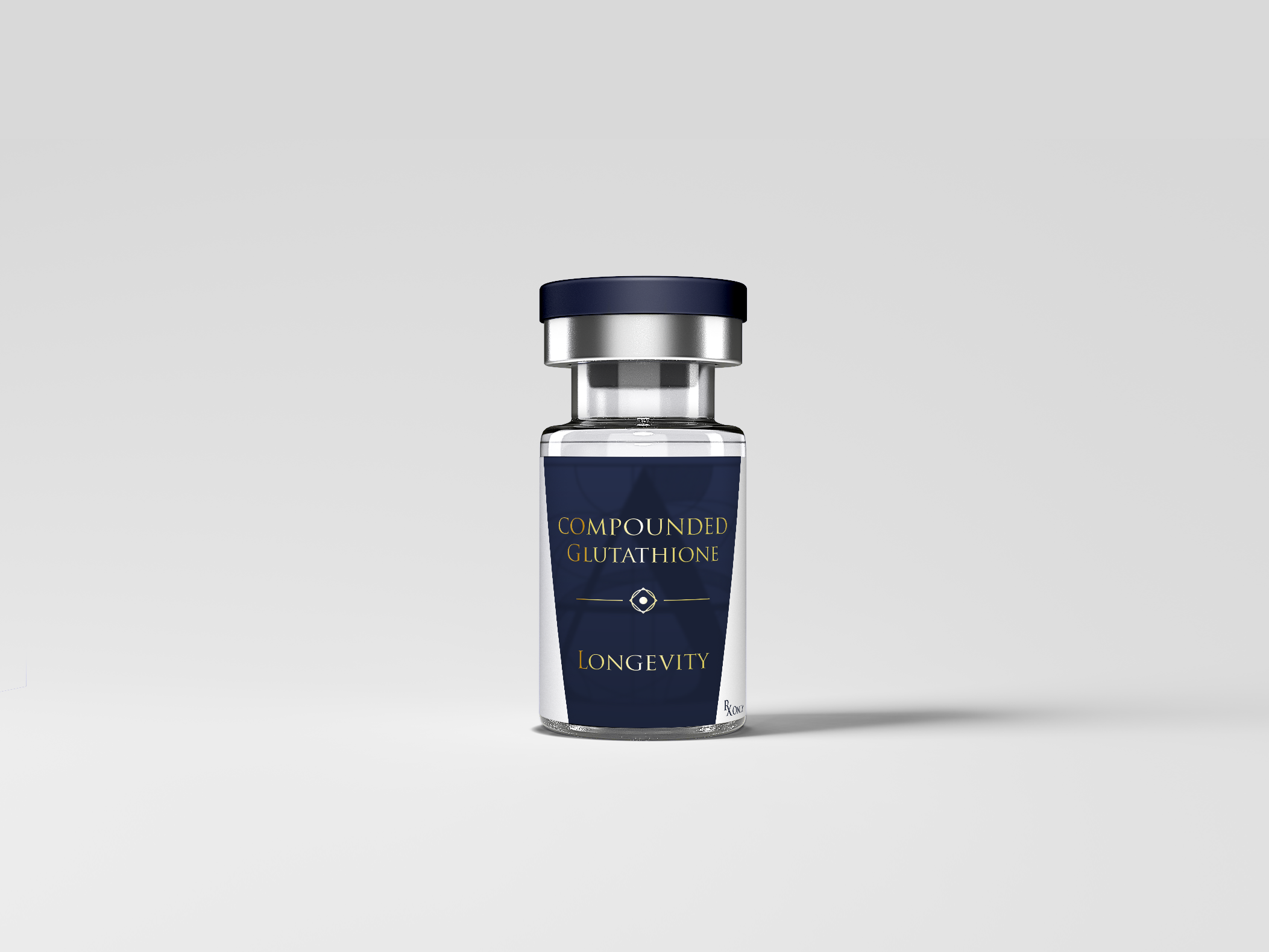
Image is for illustrative purposes only and does not reflect the actual product label or size of your prescription. This medication is compounded by a licensed compounding pharmacy based on your physician's prescription. ATHS does not manufacture compounded medications.

Compounded Glutathione

From $/mo

Glutathione is an injectable antioxidant and is the body's most abundant naturally produced antioxidant, a tripeptide found in virtually every human cell. Published research has evaluated glutathione's role in oxidative stress, cellular defense, and age-related changes in antioxidant status.

Compounded medications are not FDA-approved and have not been evaluated by the FDA for safety, effectiveness, or quality prior to dispensing.

Administered by intramuscular (IM) injection, typically in the deltoid or gluteal muscle. Your physician will determine the appropriate dose, concentration, and frequency based on your clinical evaluation.

Potential Side Effects +

The most commonly reported reactions to injectable glutathione are local: pain, redness, soreness, or mild swelling at the injection site. Some patients also report mild headache, transient nausea, fatigue, or a sulfurous taste in the mouth or sulfurous body odor following injection. The taste and odor are related to the cysteine content of glutathione and typically resolve on their own.

More serious reactions have been reported in the published literature on parenteral glutathione, including liver dysfunction and anaphylaxis. Stop the injection and contact your provider promptly if you develop yellowing of the skin or eyes, dark urine, persistent abdominal pain, severe fatigue, or a spreading rash. Seek emergency care immediately for difficulty breathing, swelling of the face or throat, severe dizziness, or loss of consciousness.

You are encouraged to report negative side effects of prescription products:

The statements on this page have not been evaluated by the Food and Drug Administration. This product is not intended to diagnose, treat, cure, or prevent any disease.

Why Glutathione with ATHS?

Because effective treatment should be accessible from home and backed by real clinical oversight

No mandatory subscription plans
Dispensed by a licensed U.S. pharmacy
HSA / FSA eligible
Why Glutathione with ATHS?

What's Included

Sterile Syringes
Alcohol Wipes
Injector Guide

Welcome, Tony

Your Biomarkers Review

Biomarkers

94
Total
67
Optimal
23
In range
4
Out of range

Go beyond what you feel

A single blood panel can show you more about your health than most people ever see.

Starting at $179

Get started

Learn More

Expert insights and educational resources

No blog posts selected. Please select posts in the element settings.

FAQ

Glutathione FAQ

Can't find what you're looking for?

No sources added. Please add sources in the element settings.

• In Stock
Metformin (Generic)
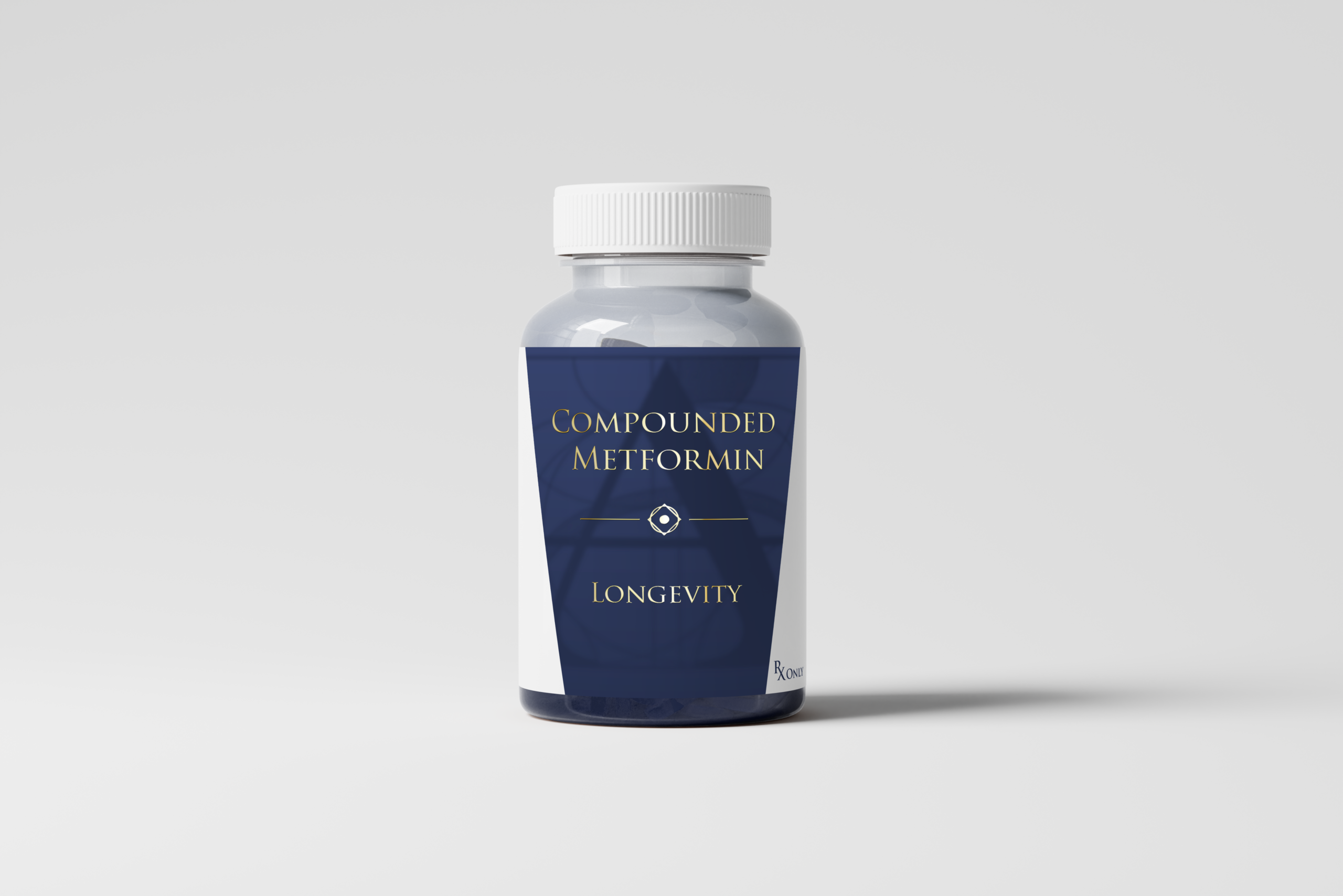
Stylized vial for marketing purposes only; image does not reflect the actual label or size of your prescription vial. As a compounded medication, this product is not approved by the FDA and is not evaluated for safety, efficacy, or quality by the FDA.

Metformin (Generic)

From $/mo

Metformin is an oral medication used to help manage blood sugar. It works by reducing glucose production in the liver, decreasing intestinal absorption of glucose, and improving the body’s response to insulin.

Metformin is taken orally, typically with food to reduce the chance of stomach discomfort. It is available in immediate-release and extended-release tablets. Your physician will determine your starting dose and schedule based on your lab results and clinical evaluation, and may increase the dose gradually over several weeks to minimize side effects.

Potential Side Effects +

Important Safety Information — Metformin

What is metformin?

Metformin is a prescription medicine containing metformin hydrochloride. It is used with diet and exercise to help control high blood sugar in patients with type 2 diabetes.

Metformin immediate-release tablets may be used in adults and pediatric patients 10 years of age and older. Metformin extended-release tablets are used in adults. Metformin is not for people with type 1 diabetes or diabetic ketoacidosis.

This page does not include all possible information about metformin. Always follow your prescription label and the instructions provided by your healthcare provider or pharmacist.

Boxed Warning: Lactic Acidosis

Metformin can cause a rare but serious condition called lactic acidosis, which is a buildup of lactic acid in the blood. Lactic acidosis is a medical emergency and can be fatal.

Stop taking metformin and seek medical care right away if you feel very weak or tired, have unusual muscle pain, have trouble breathing, feel unusually sleepy, have unexplained stomach or intestinal symptoms such as nausea, vomiting, diarrhea, or abdominal pain, feel cold especially in your arms or legs, feel dizzy or lightheaded, or have a slow or irregular heartbeat.

The risk of lactic acidosis may be higher in patients with kidney problems, liver problems, congestive heart failure, dehydration, excessive alcohol intake, serious infection, heart attack, stroke, surgery, radiology procedures involving injectable contrast dye, use of certain medications, or older age.

Who should not take metformin?

Do not take metformin if you have severe kidney impairment, including an estimated glomerular filtration rate below 30 mL/min/1.73 m².

Do not take metformin if you are allergic to metformin hydrochloride or any ingredient in your medication.

Do not take metformin if you have acute or chronic metabolic acidosis, including diabetic ketoacidosis, with or without coma.

Kidney Function

Your kidney function should be checked before starting metformin and periodically during treatment.

Metformin should not be started in patients with an eGFR between 30 and 45 mL/min/1.73 m². If your eGFR falls below 45 mL/min/1.73 m² while taking metformin, your healthcare provider should reassess whether treatment should continue. Metformin should be stopped if eGFR falls below 30 mL/min/1.73 m².

Radiology Procedures, Surgery, and Dehydration

Metformin may need to be stopped before or at the time of certain radiology procedures involving iodinated contrast dye, especially in patients with reduced kidney function, liver disease, alcoholism, heart failure, or intra-arterial contrast exposure. Kidney function should be reassessed before metformin is restarted.

Metformin may also need to be temporarily stopped during surgery, procedures, serious illness, dehydration, restricted food or fluid intake, or other situations that may increase the risk of kidney problems or lactic acidosis.

Liver Impairment

Metformin is not recommended in patients with liver impairment. Liver impairment may increase the risk of metformin-associated lactic acidosis.

Alcohol

Avoid excessive alcohol intake while taking metformin. Alcohol can increase the effect of metformin on lactate metabolism and may increase the risk of lactic acidosis.

Vitamin B12 Deficiency

Metformin may lower vitamin B12 levels. Your healthcare provider may monitor blood counts each year and vitamin B12 levels every 2 to 3 years, especially if you have anemia, nerve symptoms, low vitamin B12 intake, or risk factors for reduced vitamin B12 absorption.

Low Blood Sugar

Metformin usually does not cause low blood sugar by itself. Low blood sugar may occur if metformin is used with insulin, sulfonylureas, or other medications that lower blood sugar, or if you do not eat enough or drink alcohol.

Symptoms of low blood sugar may include sweating, shakiness, hunger, dizziness, headache, confusion, irritability, weakness, or a fast heartbeat. Follow your healthcare provider’s instructions for treating low blood sugar.

Possible Side Effects

Common side effects of metformin include diarrhea, nausea, vomiting, gas, weakness, indigestion, abdominal discomfort, headache, and upset stomach. Taking metformin with meals may help reduce stomach-related side effects.

Other reported side effects include abnormal stools, muscle pain, lightheadedness, shortness of breath, rash, increased sweating, taste changes, chest discomfort, chills, flu-like symptoms, flushing, palpitations, constipation, abdominal distention, heartburn, dizziness, upper respiratory infection, and metallic taste.

Diarrhea, nausea, and upset stomach often improve after the body adjusts to metformin. Tell your healthcare provider if side effects are severe, last more than a few weeks, return after going away, or begin later in treatment.

Liver injury, including cholestatic, hepatocellular, and mixed hepatocellular liver injury, has been reported after approval of metformin.

Drug Interactions

Tell your healthcare provider about all medications, vitamins, and supplements you take. Some medicines may affect metformin, and metformin may affect other medicines.

Carbonic anhydrase inhibitors may increase the risk of lactic acidosis when used with metformin. Examples include topiramate, zonisamide, acetazolamide, and dichlorphenamide.

Some drugs may reduce metformin clearance and increase metformin exposure. Examples include ranolazine, vandetanib, dolutegravir, and cimetidine.

Insulin and insulin secretagogues such as sulfonylureas may increase the risk of low blood sugar when used with metformin. A dose adjustment of insulin or the insulin secretagogue may be needed.

Some drugs can affect blood sugar control, including thiazides and other diuretics, corticosteroids, phenothiazines, thyroid products, estrogens, oral contraceptives, phenytoin, nicotinic acid, sympathomimetics, calcium channel blockers, and isoniazid.

Pregnancy

Limited data with metformin in pregnant women are not sufficient to determine a drug-associated risk for major birth defects or miscarriage. Poorly controlled diabetes during pregnancy can create risks for both the mother and fetus. If you are pregnant or planning to become pregnant, talk with your healthcare provider about the best way to control blood sugar during pregnancy.

Breastfeeding

Metformin is present in human milk. There is not enough information to determine the effects of metformin on the breastfed infant or on milk production. Talk with your healthcare provider about the benefits and risks of breastfeeding while taking metformin.

Females of Reproductive Potential

Metformin may result in ovulation in some premenopausal women who do not ovulate regularly, which may increase the chance of unintended pregnancy.

Pediatric Use

Metformin immediate-release tablets have been studied in pediatric patients 10 to 16 years of age with type 2 diabetes. Safety and effectiveness have not been established in pediatric patients younger than 10 years of age.

Safety and effectiveness of metformin extended-release tablets have not been established in pediatric patients.

Geriatric Use

Older adults may have a higher risk of lactic acidosis because they are more likely to have reduced kidney, liver, or heart function. Kidney function should be assessed more frequently in older patients taking metformin.

How to Take Metformin

Take metformin exactly as prescribed. Metformin should be taken with meals to help reduce stomach-related side effects.

If you take metformin extended-release tablets, swallow the tablet whole. Do not crush, cut, or chew extended-release tablets.

You may occasionally notice a soft mass in your stool that looks like an extended-release tablet. This can occur with extended-release tablets and does not necessarily mean the medication failed to work.

Missed Dose

If you miss a dose, take your next dose as prescribed unless your healthcare provider tells you differently.

Do not take an extra dose the next day to make up for a missed dose.

Overdose

Metformin overdose can occur and has been associated with lactic acidosis. If you take too much metformin, seek medical attention immediately or contact Poison Control at 1-800-222-1222.

Storage

Store metformin at 20°C to 25°C / 68°F to 77°F. Keep medication in a secure place and out of reach of children.

Medication Disposal

Do not flush unused medication down the toilet or pour it into a sink or drain unless specifically instructed.

Follow local disposal guidance or ask your pharmacist how to safely dispose of unused medication.

Reporting Side Effects

Tell your healthcare provider if you experience side effects or symptoms that concern you.

You may report suspected adverse reactions to the FDA through MedWatch at 1-800-FDA-1088 or www.fda.gov/medwatch.

Telemedicine Disclosure

This prescription may be issued through telemedicine after review by a licensed healthcare provider. If you experience concerning symptoms, contact your healthcare provider or seek emergency medical care.

Withholding or providing inaccurate information about your symptoms, medical history, medications, allergies, prior reactions, kidney function, liver function, pregnancy status, breastfeeding status, alcohol use, or other relevant health information may result in serious harm.

Disclaimer

This information is not comprehensive and does not include all possible risks, side effects, interactions, warnings, or precautions associated with metformin. This page does not provide medical advice, diagnosis, or treatment.

For questions about your medication, prescription, dosing, side effects, or treatment plan, contact your healthcare provider or pharmacist.

For more information, see the full prescribing information for metformin.

You are encouraged to report negative side effects of prescription products:

All medications require a consultation with a licensed physician who will determine if treatment is appropriate based on your labs and medical history.

Improves glycemic control

As an adjunct to diet and exercise in patients with type 2 diabetes, Metformin lowers fasting glucose and hemoglobin A1c.

Studied in non-diabetic adults

The subject of ongoing clinical research in non-diabetic populations

Patient-Specific Formulation

Receive medications custom-formulated to address your precise physiological requirements.

Why Metformin with ATHS?

Because effective treatment should be accessible from home and backed by real clinical oversight.

  • No mandatory subscription plans
  • Dispensed by a licensed U.S. pharmacy
  • HSA / FSA eligible
Why Metformin with ATHS?

Welcome, Tony

Your Biomarkers Review

Biomarkers

94
Total
67
Optimal
23
In range
4
Out of range

Go beyond what you feel

A single blood panel can show you more about your health than most people ever see.

Starting at $179

Get started

Learn More

Expert insights and educational resources

No blog posts selected. Please select posts in the element settings.

FAQ

Metformin FAQ

Can't find what you're looking for?

No sources added. Please add sources in the element settings.

• In Stock
Niagen® Injection Kit
Niagen® is a registered trademark of ChromaDex, Inc. This medication is compounded by a licensed compounding pharmacy based on your physician's prescription. ATHS does not manufacture compounded medications.

Niagen® Injection Kit

From $$/mo

Niagen® is the original patented nicotinamide riboside, the compound whose clinical research established NAD+ as a serious target in longevity medicine.

It is prescribed here by injection as part of a physician-directed protocol.

Compounded medications are not FDA-approved and have not been evaluated by the FDA for safety, effectiveness, or quality prior to dispensing

NAD+ is administered by subcutaneous injection, typically in the abdomen or thigh. Your physician will determine the dose and frequency based on your clinical evaluation.

Potential Side Effects +

Compounded NAD+ injection has limited human safety data, so side effects are described conservatively based on available NAD+ tolerability research and general injection-safety considerations. Potential side effects may include nausea, abdominal discomfort, diarrhea, sudden bowel urgency, vomiting, headache, fatigue, dizziness, flushing or hot flashes, muscle cramping or tightness, weakness, changes in heart rate, palpitations, chest pressure or tightness, and feeling unwell after administration.

Because compounded NAD+ is administered by injection, injection-related side effects can include pain, redness, swelling, itching, bruising, bleeding, warmth, irritation, tenderness, infection, or an allergic reaction at or near the injection site. Contact your provider if side effects are persistent, worsening, or concerning, and seek urgent medical care for chest pain, severe shortness of breath, fainting, severe dizziness, severe allergic reaction, swelling of the face or throat, wheezing, or any sudden or severe symptoms after an injection.

You are encouraged to report negative side effects of prescription products:

The statements on this page have not been evaluated by the Food and Drug Administration. This product is not intended to diagnose, treat, cure, or prevent any disease.

Why Niagen®+ with ATHS?

Because effective treatment should be accessible from home and backed by real clinical oversight.

  • No mandatory subscription plans
  • Dispensed by a licensed U.S. pharmacy
  • HSA / FSA eligible
Why Niagen®+ with ATHS?

Welcome, Tony

Your Biomarkers Review

Biomarkers

94
Total
67
Optimal
23
In range
4
Out of range

Start with a deeper look at your health

Identifying your unique needs begins with analysis, including in-depth, 50-biomarker blood testing, personal health history, and validated questionnaires.

$65 per Biomarker Test

Get started

Learn More

Expert insights and educational resources

No blog posts selected. Please select posts in the element settings.

FAQ

Common questions

Can't find what you're looking for?

No sources added. Please add sources in the element settings.

• In Stock
Compounded GHK-Cu (Copper Peptide) Topical
Image is for illustrative purposes only and does not reflect the actual product label or size of your prescription. This medication is compounded by a licensed compounding pharmacy based on your physician's prescription. ATHS does not manufacture compounded medications.

Compounded GHK-Cu (Copper Peptide) Topical

From $/mo

A compounded topical cream made with GHK-Cu, a copper-bound tripeptide complex derived from GHK, a peptide naturally found in human plasma.

Compounded medications are not FDA-approved and have not been evaluated by the FDA for safety, effectiveness, or quality prior to dispensing

Applied topically to the treatment area as directed by your physician. Frequency, concentration, and application method will be determined based on your clinical evaluation and treatment goals.

Potential Side Effects +

Most reactions reported with topical GHK-Cu are local and mild: redness, itching, stinging, or dryness at the application site. Allergic contact reactions are uncommon but possible with any topical peptide preparation. The natural blue color of GHK-Cu can cause temporary bluish tinting of skin or fabric, which is cosmetic.

No systematic clinical study has reported side effect frequencies for topical GHK-Cu. Stop the cream and contact your provider if you develop a spreading rash, persistent swelling, or significant discomfort beyond the application site. Seek emergency care for difficulty breathing or swelling of the face or throat.

You are encouraged to report negative side effects of prescription products:

The statements on this page have not been evaluated by the Food and Drug Administration. This product is not intended to diagnose, treat, cure, or prevent any disease.

Why GHK-Cu with ATHS?

Because effective treatment should be accessible from home and backed by real clinical oversight.

  • No mandatory subscription plans
  • Dispensed by a licensed U.S. pharmacy
  • HSA / FSA eligible
Why GHK-Cu with ATHS?

Welcome, Tony

Your Biomarkers Review

Biomarkers

94
Total
67
Optimal
23
In range
4
Out of range

Go beyond what you feel

A single blood panel can show you more about your health than most people ever see.

Starting at $179

Get started

Learn More

Expert insights and educational resources

No blog posts selected. Please select posts in the element settings.

FAQ

GHK-Cu Copper Peptide (Transdermal) FAQ

Can't find what you're looking for?

No sources added. Please add sources in the element settings.

• In Stock
Compounded Bremelanotide (PT-141)
Image is for illustrative purposes only and does not reflect the actual product label or size of your prescription. This medication is compounded by a licensed compounding pharmacy based on your physician's prescription. ATHS does not manufacture compounded medications.

Compounded Bremelanotide (PT-141)

From $/mo

PT-141, also known as bremelanotide, is a synthetic peptide and melanocortin receptor agonist that acts on neural pathways in the central nervous system involved in sexual function.
It may be prescribed to address sexual dysfunction when your physician determines it is appropriate based on your evaluation and medical history.

Compounded medications are not FDA-approved and have not been evaluated by the FDA for safety, effectiveness, or quality prior to dispensing

Used as needed by subcutaneous injection, not as a daily medication. Do not use more than one dose within 24 hours unless specifically directed by your clinician.

Potential Side Effects +

PT-141 is a clinical treatment that requires appropriate screening and medical supervision to mitigate risks. Potential side effects are primarily managed through proper patient selection, conservative dosing, and clear guidance on frequency of use.

Known side effects can include nausea, flushing, headache, vomiting, dizziness, injection site reactions, nasal congestion, fatigue, and hot flashes. PT-141 may also cause temporary increases in blood pressure, changes in heart rate, and, in some patients, darkening of the skin in areas such as the face, gums, or breasts.

Patients with uncontrolled high blood pressure or known cardiovascular disease may not be appropriate candidates for this treatment. Blood pressure, cardiovascular history, medication use, and any concerning side effects are reviewed as part of our safety protocol.

You are encouraged to report negative side effects of prescription products:

The statements on this page have not been evaluated by the Food and Drug Administration. This product is not intended to diagnose, treat, cure, or prevent any disease.

Why Bremelanotide with ATHS?

Because effective treatment should be accessible from home and backed by real clinical oversight.

  • No mandatory subscription plans
  • Dispensed by a licensed U.S. pharmacy
  • HSA / FSA eligible
Why Bremelanotide with ATHS?

Welcome, Tony

Your Biomarkers Review

Biomarkers

94
Total
67
Optimal
23
In range
4
Out of range

Go beyond what you feel

A single blood panel can show you more about your health than most people ever see.

Starting at $179

Get started

Learn More

Expert insights and educational resources

No blog posts selected. Please select posts in the element settings.

FAQ

Bremelanotide (PT-141) FAQ

Can't find what you're looking for?

1. Service strip

2. NABP callout (default, named pharmacy, dark)

NABP Accredited Compounded by an NABP-accredited compounding pharmacy.
NABP Accredited Compounded by Empower Pharmacy, an NABP-accredited compounding pharmacy.
NABP Accredited Compounded by an NABP-accredited compounding pharmacy.

3. Hero overlay text

4. Drug comparison chart

Testosterone treatment options
Compounded TestosteroneEnclomipheneTopical Cream
RouteIM injectionOral pillTopical cream
FrequencyWeeklyDailyDaily
Fertility-preserving
Best forConfirmed low-TTrying to conceiveLow-dose titration
Requires labs

5. Feature trio

6. Treatment grid (mens-dark + womens variants)

Most Popular Compounded

Testosterone (RX)

Learn More

7. Safety info

8. FAQ with image

(Drop

here in production.)

• In Stock
Foundayo™
Foundayo™ is the registered trademarks of Eli Lilly and Company. Alchemical Transformations Health Services, P.C. is not affiliated with or endorsed by Eli Lilly and Company.

Foundayo™

From $$/mo

Foundayo™ is the brand name for orforglipron, a once-daily small-molecule, non-peptide GLP-1 receptor agonist, taken as an oral tablet with no restrictions on food or water.

By activating GLP-1 receptors in the brain and gut, it suppresses appetite and slows gastric emptying, which together lower overall caloric intake.

Foundayo™ is FDA-approved for chronic weight management in adults with obesity, or in adults with overweight who have at least one weight-related medical condition, when used alongside a reduced-calorie diet and increased physical activity.

*Prescription required. Results may vary. For additional information, see product information.

Take Foundayo by mouth 1 time each day, with or without food.

Potential Side Effects +

Possible Side Effects of Foundayo™

Like all prescription medications, Foundayo™ may cause side effects. Not everyone will experience the same side effects, and some side effects may improve as your body adjusts to treatment.

Common side effects

The most common side effects reported by people taking Foundayo include:

  • Nausea
  • Constipation
  • Diarrhea
  • Vomiting
  • Indigestion
  • Stomach or abdominal pain
  • Headache
  • Swollen belly
  • Feeling tired
  • Belching
  • Heartburn
  • Gas
  • Hair loss

Stomach-related side effects

Gastrointestinal side effects such as nausea, vomiting, and diarrhea may be more likely when starting Foundayo or when increasing the dose. These side effects may decrease over time, but you should contact your healthcare provider if they are severe, persistent, or concerning.

Serious side effects

Foundayo can cause serious side effects, including severe stomach problems and dehydration that may lead to kidney problems. Nausea, vomiting, or diarrhea that does not go away can cause fluid loss. Drink fluids as directed and contact your healthcare provider right away if these symptoms continue or worsen.

When to contact your healthcare provider

Tell your healthcare provider if you have side effects that bother you, become severe, or do not go away. Seek medical help right away if you experience symptoms that feel serious, sudden, or unusual.

This is not a complete list of possible side effects. For more information, talk to your healthcare provider or pharmacist.

You are encouraged to report negative side effects of prescription products:

All medications require a consultation with a licensed physician who will determine if treatment is appropriate based on your labs and medical history.

Once-daily oral tablet

Foundayo™ is the first FDA-approved GLP-1 medication for chronic weight management taken as a once-daily tablet rather than a weekly injection.

No timing restrictions

Take Foundayo at any time of day, with or without food.

Prescription weight management

Foundayo™ is used with a reduced-calorie diet and increased physical activity to help eligible adults reduce excess body weight and maintain weight reduction long term.

Why Choose Foundayo™ ATHS?

Because effective treatment should be accessible from home and backed by real clinical oversight.

  • No mandatory subscription plans
  • Get direct shipping through LillyDirect® Pharmacy, your reliable source for authentic Foundayo™.
  • HSA / FSA eligible
Why Choose Foundayo™ ATHS?

Welcome, Tony

Your Biomarkers Review

Biomarkers

94
Total
67
Optimal
23
In range
4
Out of range

Start with a deeper look at your health

Identifying your unique needs begins with analysis, including in-depth, 50-biomarker blood testing, personal health history, and validated questionnaires.

$65 per Biomarker Test

Get started

Learn More

Expert insights and educational resources

No blog posts selected. Please select posts in the element settings.

FAQ

Common questions

Can't find what you're looking for?

• In Stock
Niagen® Injection Kit
Niagen® is a registered trademark of ChromaDex, Inc. This medication is compounded by a licensed compounding pharmacy based on your physician's prescription. ATHS does not manufacture compounded medications.

Niagen® Injection Kit

From $$/mo

Niagen® is the original patented nicotinamide riboside, the compound whose clinical research established NAD+ as a serious target in longevity medicine.

It is prescribed here by injection as part of a physician-directed protocol.

Compounded medications are not FDA-approved and have not been evaluated by the FDA for safety, effectiveness, or quality prior to dispensing

NAD+ is administered by subcutaneous injection, typically in the abdomen or thigh. Your physician will determine the dose and frequency based on your clinical evaluation.

Potential Side Effects +

Compounded NAD+ injection has limited human safety data, so side effects are described conservatively based on available NAD+ tolerability research and general injection-safety considerations. Potential side effects may include nausea, abdominal discomfort, diarrhea, sudden bowel urgency, vomiting, headache, fatigue, dizziness, flushing or hot flashes, muscle cramping or tightness, weakness, changes in heart rate, palpitations, chest pressure or tightness, and feeling unwell after administration.

Because compounded NAD+ is administered by injection, injection-related side effects can include pain, redness, swelling, itching, bruising, bleeding, warmth, irritation, tenderness, infection, or an allergic reaction at or near the injection site. Contact your provider if side effects are persistent, worsening, or concerning, and seek urgent medical care for chest pain, severe shortness of breath, fainting, severe dizziness, severe allergic reaction, swelling of the face or throat, wheezing, or any sudden or severe symptoms after an injection.

You are encouraged to report negative side effects of prescription products:

The statements on this page have not been evaluated by the Food and Drug Administration. This product is not intended to diagnose, treat, cure, or prevent any disease.

Why Niagen®+ with ATHS?

Because effective treatment should be accessible from home and backed by real clinical oversight.

  • No mandatory subscription plans
  • Dispensed by a licensed U.S. pharmacy
  • HSA / FSA eligible
Why Niagen®+ with ATHS?

Welcome, Tony

Your Biomarkers Review

Biomarkers

94
Total
67
Optimal
23
In range
4
Out of range

Start with a deeper look at your health

Identifying your unique needs begins with analysis, including in-depth, 50-biomarker blood testing, personal health history, and validated questionnaires.

$65 per Biomarker Test

Get started

Learn More

Expert insights and educational resources

No blog posts selected. Please select posts in the element settings.

FAQ

Common questions

Can't find what you're looking for?

No sources added. Please add sources in the element settings.

• In Stock
Viagra® (Sildenafil Citrate)
Viagra® is a registered trademark of Viatris Specialty LLC. Alchemical Transformations Health Services, P.C. is not affiliated with or endorsed by Viatris Specialty LLC.

Viagra® (Sildenafil Citrate)

From $$/mo

Viagra® is the brand name for sildenafil, a medication used to treat erectile dysfunction. It works by relaxing blood vessels and improving blood flow to support erectile response during sexual arousal. Its effects typically last up to 4 hours, making it a short-acting, as-needed option.

*Prescription required. Results may vary. For additional information, see product information.

Take Viagra® approximately 30 to 60 minutes before anticipated sexual activity. It can be taken with or without food, though a high-fat meal may delay its onset. Sexual stimulation is required — you will not get an erection just by taking Viagra®. Do not take more than one dose in 24 hours. Your physician will determine the appropriate strength based on your health history and current medications.

Potential Side Effects +

Viagra® may cause side effects. The most common side effects include headache, flushing, upset stomach, abnormal vision such as changes in color vision or blurred vision, stuffy or runny nose, back pain, muscle pain, nausea, dizziness, and rash.

Rare but serious side effects may occur. Stop taking Viagra® and seek medical help right away if you experience an erection lasting more than 4 hours, sudden vision loss in one or both eyes, or sudden hearing decrease or hearing loss, which may be accompanied by ringing in the ears or dizziness.

Seek immediate medical help if you experience chest pain, dizziness, or nausea during sex.

You are encouraged to report negative side effects of prescription products:

All medications require a consultation with a licensed physician who will determine if treatment is appropriate based on your labs and medical history.

Take it when you need it

Works within 30 to 60 minutes

Effects last four to six hours

A clear window of effectiveness after dosing.

The original ED medication

FDA-approved in 1998 and still the most widely used.

Why Viagra® with ATHS?

Because effective treatment should be accessible from home and backed by real clinical oversight.

  • No mandatory subscription plans
  • Dispensed by a licensed U.S. pharmacy
  • HSA / FSA eligible
Why Viagra® with ATHS?

Welcome, Tony

Your Biomarkers Review

Biomarkers

94
Total
67
Optimal
23
In range
4
Out of range

Go beyond what you feel

A single blood panel can show you more about your health than most people ever see.

Starting at $179

Get started

Learn More

Expert insights and educational resources

No blog posts selected. Please select posts in the element settings.

FAQ

Viagra® Common questions

Can't find what you're looking for?

No sources added. Please add sources in the element settings.

• In Stock
Compounded Sildenafil
Image is for illustrative purposes only and does not reflect the actual product label or size of your prescription. This medication is compounded by a licensed compounding pharmacy based on your physician's prescription. ATHS does not manufacture compounded medications.

Compounded Sildenafil

From $$/mo

Compounded sildenafil chews are a chewable formulation of sildenafil, a phosphodiesterase type 5 (PDE5) inhibitor.

The chewable form provides an alternative to the commercial tablet for patients who have difficulty swallowing pills or prefer a non-tablet dosage form.

Compounded medications are not FDA-approved and have not been evaluated by the FDA for safety, effectiveness, or quality prior to dispensing

Chew and swallow as directed by your physician. Your physician will determine the appropriate strength, timing, and frequency based on your lab results and clinical evaluation.

Potential Side Effects +

Compounded sildenafil may cause side effects. The most common side effects include headache, flushing, upset stomach, abnormal vision such as changes in color vision or blurred vision, stuffy or runny nose, back pain, muscle pain, nausea, dizziness, and rash.

Rare but serious side effects may occur. Stop taking compounded sildenafil and seek medical help right away if you experience an erection lasting more than 4 hours, sudden vision loss in one or both eyes, or sudden hearing decrease or hearing loss, which may be accompanied by ringing in the ears or dizziness.

Seek immediate medical help if you experience chest pain, dizziness, or nausea during sex.

You are encouraged to report negative side effects of prescription products:

Compounded medications are not FDA-approved and have not been evaluated by the FDA for safety, effectiveness, or quality prior to dispensing

Why Sildenafil with ATHS?

Because effective treatment should be accessible from home and backed by real clinical oversight.

  • No mandatory subscription plans
  • Dispensed by a licensed U.S. pharmacy
  • HSA / FSA eligible
Why Sildenafil with ATHS?

Welcome, Tony

Your Biomarkers Review

Biomarkers

94
Total
67
Optimal
23
In range
4
Out of range

Go beyond what you feel

A single blood panel can show you more about your health than most people ever see.

Starting at $179

Get started

Learn More

Expert insights and educational resources

No blog posts selected. Please select posts in the element settings.

FAQ

Compounded Sildenafil Common questions

Can't find what you're looking for?

No sources added. Please add sources in the element settings.

• In Stock
Compounded Tadalafil
Image is for illustrative purposes only and does not reflect the actual product label or size of your prescription. This medication is compounded by a licensed compounding pharmacy based on your physician's prescription. ATHS does not manufacture compounded medications.

Compounded Tadalafil

From $$/mo

Compounded tadalafil chews are a chewable formulation of tadalafil, a phosphodiesterase type 5 (PDE5) inhibitor.

The chewable form provides an alternative to the commercial tablet for patients who have difficulty swallowing pills or prefer a non-tablet dosage form.

*Prescription required. Results may vary. For additional information, see product information.

Chew and swallow as directed by your physician. Your physician will determine the appropriate strength, timing, and frequency based on your lab results and clinical evaluation.

Potential Side Effects +

Compounded tadalafil is a prescription medication that requires appropriate medical screening, especially for patients with heart conditions, blood pressure concerns, or medications that may interact with tadalafil.

Common side effects can include headache, indigestion, back pain, muscle aches, nasal congestion, flushing, and pain in the arms or legs.

Some side effects require urgent attention. Seek emergency medical care if you experience chest pain, a sudden drop in blood pressure, fainting, sudden vision loss, sudden hearing loss, or an erection lasting more than four hours. Do not take compounded tadalafil with nitrates or guanylate cyclase stimulators, as these combinations can cause blood pressure to drop to unsafe levels.

You are encouraged to report negative side effects of prescription products:

The statements on this page have not been evaluated by the Food and Drug Administration. This product is not intended to diagnose, treat, cure, or prevent any disease.

Why Tadalafil with ATHS?

Because effective treatment should be accessible from home and backed by real clinical oversight.

  • No mandatory subscription plans
  • Dispensed by a licensed U.S. pharmacy
  • HSA / FSA eligible
Why Tadalafil with ATHS?

Welcome, Tony

Your Biomarkers Review

Biomarkers

94
Total
67
Optimal
23
In range
4
Out of range

Go beyond what you feel

A single blood panel can show you more about your health than most people ever see.

Starting at $179

Get started

Learn More

Expert insights and educational resources

No blog posts selected. Please select posts in the element settings.

FAQ

Compounded Tadalafil Common questions

Can't find what you're looking for?

• In Stock
Cialis® (Tadalafil)
Cialis® is a registered trademark of Eli Lilly and Company. Alchemical Transformations Health Services, P.C. is not affiliated with or endorsed by Eli Lilly and Company. Image is for illustrative purposes only and does not reflect the actual product label or size of your prescription.

Cialis® (Tadalafil)

From $$/mo

Cialis® is the brand name for tadalafil, a medication used to treat erectile dysfunction. It works by relaxing blood vessels and improving blood flow to support erectile response during sexual arousal. Its effects can last up to 36 hours, allowing for greater spontaneity.

*Prescription required. Results may vary. For additional information, see product information.

On-demand (10mg or 20mg): Take at least 30 minutes before anticipated sexual activity. Cialis® can be taken with or without food. Do not take more than one dose in 24 hours.

Daily (2.5mg or 5mg): Take once per day at approximately the same time each day, regardless of sexual activity.

Sexual stimulation is required for the medication to be effective. Your physician will determine the appropriate dose and regimen based on your health history, current medications, and clinical evaluation.

Potential Side Effects +

Cialis® is a prescription medication that requires appropriate medical screening, especially for patients with heart conditions, blood pressure concerns, or medications that may interact with tadalafil.

Common side effects can include headache, indigestion, back pain, muscle aches, nasal congestion, flushing, and pain in the arms or legs.

Some side effects require urgent attention. Seek emergency medical care if you experience chest pain, a sudden drop in blood pressure, fainting, sudden vision loss, sudden hearing loss, or an erection lasting more than four hours. Do not take Cialis® with nitrates or guanylate cyclase stimulators, as these combinations can cause blood pressure to drop to unsafe levels.

You are encouraged to report negative side effects of prescription products:

All medications require a consultation with a licensed physician who will determine if treatment is appropriate based on your labs and medical history.

Greater flexibility in timing

No need to plan a dose around sexual activity.

Effects can last up to 36 hours

The longest duration of any FDA-approved ED medication.

Available as-needed or for daily use

Higher-strength on-demand dosing or low-dose daily dosing for continuous coverage.

Why Cialis® with ATHS?

Because effective treatment should be accessible from home and backed by real clinical oversight.

  • No mandatory subscription plans
  • Dispensed by a licensed U.S. pharmacy
  • HSA / FSA eligible
Why Cialis® with ATHS?

Welcome, Tony

Your Biomarkers Review

Biomarkers

94
Total
67
Optimal
23
In range
4
Out of range

Go beyond what you feel

A single blood panel can show you more about your health than most people ever see.

Starting at $179

Get started

Learn More

Expert insights and educational resources

No blog posts selected. Please select posts in the element settings.

FAQ

Common questions

Can't find what you're looking for?

• In Stock
Wegovy® (Semaglutide)
Ozempic® and Wegovy® are registered trademarks of Novo Nordisk A/S. Alchemical Transformations Health Services, P.C. is not affiliated with or endorsed by Novo Nordisk A/S.

Wegovy® (Semaglutide)

From $$/mo

Wegovy® is a brand-name injectable semaglutide, a GLP-1 receptor agonist manufactured by Novo Nordisk. It works by mimicking a hormone your body naturally produces in response to food, reducing appetite signaling and slowing gastric emptying. It is FDA-approved as a once-weekly injection for chronic weight management in adults.

*Prescription required. Results may vary. For additional information, see product information.

Wegovy® is injected once weekly, on the same day each week, at any time of day, with or without meals. It is administered subcutaneously in the abdomen, thigh, or upper arm. Your physician will start you at a lower dose and gradually increase it over a period of weeks to help reduce gastrointestinal side effects. Take Wegovy® exactly as prescribed by your health care provider.

Potential Side Effects +

Possible Side Effects

The most common side effects of Wegovy® pens include nausea, diarrhea, vomiting, constipation, stomach or abdominal pain, altered skin sensation, headache, fatigue, indigestion, dizziness, abdominal bloating, burping, low blood sugar in patients with type 2 diabetes, gas, gastroenteritis, gastroesophageal reflux disease, and hair loss.

Injection site reactions may include itching, redness, inflammation, hardening, irritation, bruising, pain, swelling, or discomfort at the injection site.

Wegovy® may also cause serious side effects, including pancreatitis, gallbladder problems, low blood sugar, dehydration that can lead to kidney problems, severe stomach or intestinal side effects, serious allergic reactions, changes in vision in patients with type 2 diabetes, increased heart rate, and pulmonary aspiration during procedures requiring anesthesia or deep sedation.

Postmarketing reports with semaglutide include acute pancreatitis and necrotizing pancreatitis, sometimes resulting in death; ileus; intestinal obstruction; severe constipation including fecal impaction; anaphylaxis; angioedema; rash; hives; pulmonary aspiration; and acute kidney injury.

Seek medical care right away if you have severe or persistent stomach pain, pain that spreads to your back, severe nausea or vomiting, signs of dehydration, reduced urination, symptoms of low blood sugar, yellowing of the skin or eyes, swelling of the face or throat, trouble breathing, severe rash, fainting, a racing heartbeat while at rest, sudden vision changes, or sudden severe symptoms after using Wegovy®.

Tell your healthcare provider if side effects are severe, persistent, worsening, or concerning.

You are encouraged to report negative side effects of prescription products:

The statements on this page have not been evaluated by the Food and Drug Administration. This product is not intended to diagnose, treat, cure or prevent any disease.

Once-weekly subcutaneous injection

A single subcutaneous injection taken once a week, designed for self-administration with a prefilled, single-dose pen.

Significant weight loss

In a 68-week clinical trial, adults taking once-weekly Wegovy® injection lost an average of about 15% of body weight versus 2.4% with placebo, alongside a reduced-calorie diet and increased physical activity.

Cardiovascular event risk reduction

FDA-approved to reduce the risk of major adverse cardiovascular events (cardiovascular death, non-fatal heart attack, non-fatal stroke) in adults with established cardiovascular disease who are overweight or obese.

Wegovy via NovoCare®

Tailored to You

Get direct shipping through NovoCare® Pharmacy, your reliable source for authentic Wegovy®
No mandatory subscription plans
HSA / FSA eligible
Wegovy via NovoCare®

What's Included

Wegovy Injector Pen
Alcohol Wipes
Injector Guide

Welcome, Tony

Your Biomarkers Review

Biomarkers

94
Total
67
Optimal
23
In range
4
Out of range

Go beyond what you feel

A single blood panel can show you more about your health than most people ever see.

Starting at $179

Get started

Learn More

Expert insights and educational resources

No blog posts selected. Please select posts in the element settings.

FAQ

Wegovy Common questions

Can't find what you're looking for?

• In Stock
Compounded Transdermal Testosterone Cream
Image is for illustrative purposes only and does not reflect the actual product label or size of your prescription. This medication is compounded by a licensed compounding pharmacy based on your physician's prescription. ATHS does not manufacture compounded medications.

Compounded Transdermal Testosterone Cream

From $$/mo

Topical testosterone cream is one of several ways to administer testosterone replacement therapy. It may be an option for patients who prefer daily topical application instead of injections or dealing with needles.

Compounded medications are not FDA-approved and have not been evaluated by the FDA for safety, effectiveness, or quality prior to dispensing

Applied to the skin once daily, typically to the shoulders, upper arms, or inner thighs. Your physician will determine the application site, dose, and concentration based on your lab results and clinical evaluation. Wash hands thoroughly after application and avoid skin-to-skin contact at the application site with others, particularly women and children.

Potential Side Effects +

Topical testosterone therapy is a clinical treatment that requires medical supervision to mitigate risks, including the risk of testosterone transferring to other people through skin contact. Potential side effects are primarily managed through proper dosing, correct application practices, and regular blood work.

Known side effects can include increased red blood cell count, increased PSA, changes in mood, acne or oily skin, skin irritation at the application site, elevated blood pressure, fluid retention, worsening urinary symptoms in patients with an enlarged prostate, breast tenderness or enlargement, sleep apnea symptoms, and suppression of natural sperm production. Topical testosterone can also transfer to women or children through contact with unwashed or uncovered application sites, which may cause unwanted testosterone effects such as acne, changes in body hair, or signs of early puberty in children.

Regular monitoring of your testosterone levels, hematocrit, PSA, blood pressure, and other key markers is a mandatory part of our protocol to help manage risk. Patients using topical testosterone should wash their hands after application, allow the medication to dry, cover the application area with clothing, and wash the application site before skin-to-skin contact with another person.

You are encouraged to report negative side effects of prescription products:

The statements on this page have not been evaluated by the Food and Drug Administration. This product is not intended to diagnose, treat, cure, or prevent any disease.

The Three Most Common Routes of TRT

The form testosterone takes and how it enters the body shapes the daily rhythm of treatment and the practical considerations involved.

Topical

Cream · applied to skin

RX

Oral

Capsule · swallowed

RX

Injectable

Oil-based · injected

RX
Administration
Applied to the skin, typically on the shoulders or arms.
Taken by mouth
Injected into muscle or subcutaneous tissue
Frequency
Daily
One to two times daily
Once or twice weekly (sometimes more), depending on the ester
Absorption
Absorbed through the skin over the course of the day
Absorbed through the intestinal lymphatic system, bypassing first-pass liver metabolism
Released gradually from the injection site over several days
Practical Considerations
Secondary transfer to partners or children through skin contact must be managed; application site must dry fully before contact
Must be taken with a fat-containing meal for proper absorption
Self-injection comfort and sharps disposal required

Topical

Cream · applied to skin

RX
Administration
Applied to the skin, typically on the shoulders or arms.
Frequency
Daily
Absorption
Absorbed through the skin over the course of the day
Practical Considerations
Secondary transfer to partners or children through skin contact must be managed; application site must dry fully before contact

Oral

Capsule · swallowed

RX
Administration
Taken by mouth
Frequency
One to two times daily
Absorption
Absorbed through the intestinal lymphatic system, bypassing first-pass liver metabolism
Practical Considerations
Must be taken with a fat-containing meal for proper absorption

Injectable

Oil-based · injected

RX
Administration
Injected into muscle or subcutaneous tissue
Frequency
Once or twice weekly (sometimes more), depending on the ester
Absorption
Released gradually from the injection site over several days
Practical Considerations
Self-injection comfort and sharps disposal required

Why Choose Testosterone Injections with ATHS?

Because effective treatment should be accessible from home and backed by real clinical oversight.

  • No mandatory subscription plans
  • Dispensed by a licensed U.S. pharmacy
  • HSA / FSA eligible
Why Choose Testosterone Injections with ATHS?

Welcome, Tony

Your Biomarkers Review

Biomarkers

94
Total
67
Optimal
23
In range
4
Out of range

Go beyond what you feel

A single blood panel can show you more about your health than most people ever see.

Starting at $179

Get started

Learn More

Expert insights and educational resources

No blog posts selected. Please select posts in the element settings.

FAQ

Compounded Testosterone Cream FAQ

Can't find what you're looking for?

Medical Weight Loss for Women in Texas

Prescription weight loss through metabolic and hormonal testing, physician-guided protocols, and ongoing monitoring from home.

Start Your AssessmentSee Treatment Options
LONGEVITY
SKIN CARE
SEXUAL HEALTH
HORMONAL THERAPY

BMI Calculator

BMI, or Body Mass Index, is a simple screening tool that estimates whether your weight is in a healthy range for your height. It can be useful for spotting possible weight-related health risks, but it does not directly measure body fat or overall health.

ft in
lbs

BMI is a general screening tool and does not directly measure body fat or overall health, so it may not be accurate for everyone. This calculator does not guarantee eligibility for weight loss medication, only a licensed healthcare provider can determine whether medication is appropriate based on your full health history.

When your effort isn't the problem

If you’re here, you’ve probably already tried everything. You’ve tracked calories, adjusted your macros, stayed consistent for months, and watched the scale barely move, or watched it come back the moment you stopped being perfect. The frustrating part is that you did everything right and your body still didn’t respond the way you expected it to. That gap between effort and results sometimes has a metabolic explanation. Hormonal changes, insulin sensitivity, thyroid function, cortisol, these things shape how your body stores fat, burns energy, and responds to a caloric deficit. But a prescription without the clinical picture behind it is a short-term solution. We prescribe based on your labs, and we help you build the nutritional and behavioral framework so the results hold up after the medication does its part.

WEIGHT LOSS: THE ALCHEMICAL WAY

Your labs and how you feel, together

Two people at the same weight can have completely different metabolic profiles and a totally different clinical picture. Your provider uses all of it together, not a standard dosing chart.

Your protocol adapts as your body does

Weight loss changes your physiology over time, and your treatment is reviewed and adjusted to reflect where you are in your progress. Dosage, frequency, and medication choice can change based on your response, your labs, and your goals.

Ongoing Care

Working with your medical provider does not end with the prescription. Follow-up visits, lab reviews, and adjustments to your plan happen as your goals and your body change over time.

Start Your AssessmentSee Treatment Options

Why we test what most physicals don't

Excess weight creates downstream effects on your body. A standard physical won't catch most of them, which is why our panels go deeper.

Hormones

  • Estrogen dominance — body fat produces estrogen, promoting fat storage, water retention, and cycle irregularity
  • Progesterone — suppressed by body fat and elevated cortisol, compounding estrogen imbalance and affecting mood, sleep, and cycle regularity

Metabolic

  • Fasting insulin — An early marker of metabolic dysfunction, insulin resistance makes your body more efficient at storing fat than releasing it
  • HbA1c — a three-month blood sugar average that catches glucose problems a single fasting reading can miss

Thyroid

  • Free T3 — excess weight impairs conversion of T4 into T3, the active hormone that drives your metabolic rate
  • Free T4 — when circulating T4 drops alongside poor conversion, thyroid output is suppressed from both directions

Adrenal

  • Cortisol — chronically elevated with excess weight and stress, promotes visceral fat storage and disrupts sleep
  • DHEA-S — declines with weight gain and age, tied to insulin resistance, fatigue, and reduced recovery

Welcome, Jessica

Your Biomarkers Review

Biomarkers

94
Total
67
Optimal
23
In range
4
Out of range

Start with a deeper look

A single blood panel can show you more about your health than most people ever see.

Starting at $179

Get started

Learn More

Expert insights and educational resources

No blog posts selected. Please select posts in the element settings.

FAQ

Weight Loss FAQ

Can't find what you're looking for?

  1. Olateju IV et al. "A systematic review on the effectiveness of diet and exercise in the management of obesity." Diabetes & metabolic syndrome vol. 17,4 (2023): 102759.
    https://pubmed.ncbi.nlm.nih.gov/37084486/
  2. Kim JY. "Optimal Diet Strategies for Weight Loss and Weight Loss Maintenance." Journal of obesity & metabolic syndrome vol. 30,1 (2021): 20-31.
    https://pmc.ncbi.nlm.nih.gov/articles/PMC8017325/
  3. Ruiz-Castellano C et al. "Achieving an Optimal Fat Loss Phase in Resistance-Trained Athletes: A Narrative Review." Nutrients vol. 13,9 3255. 18 Sep. 2021.
    https://pmc.ncbi.nlm.nih.gov/articles/PMC8471721/
  4. Takebe N et al. "Weight Gain After 20 Years of Age is Associated with Unfavorable Lifestyle and Increased Prevalence of Metabolic Disorders." Diabetes, metabolic syndrome and obesity vol. 14 2065-2075. 20 May. 2021.
    https://pmc.ncbi.nlm.nih.gov/articles/PMC8143959/
  5. Palmer AK, Jensen MD. "Metabolic changes in aging humans: current evidence and therapeutic strategies." The Journal of clinical investigation vol. 132,16 (2022): e158451.
    https://pmc.ncbi.nlm.nih.gov/articles/PMC9374375/
  6. Sarwer DB, Polonsky HM. "The Psychosocial Burden of Obesity." Endocrinology and metabolism clinics of North America vol. 45,3 (2016): 677-88.
    https://pmc.ncbi.nlm.nih.gov/articles/PMC6052856/
  7. Singla P et al. "Metabolic effects of obesity: A review." World journal of diabetes vol. 1,3 (2010): 76-88.
    https://pmc.ncbi.nlm.nih.gov/articles/PMC3083889/

UNDERGO AN ALCHEMICAL TRANSFORMATION

Women's Sexual Health, Evaluated and Treated from Home

Reclaim Desire, Confidence, and Intimacy

Start Your AssessmentSee Treatment Options
WEIGHT LOSS
LONGEVITY
SKIN CARE
HORMONAL THERAPY
48%
of women experience sexual dysfunction at some point
WHAT WE TREAT

Common. Treatable. Almost never properly evaluated.

Most providers either dismiss these concerns or prescribe without testing. We do the work to understand what's actually going on first.

Low Desire (Hypoactive Sexual Desire Disorder)

You used to want sex and now you don't, and that bothers you. That distinction, the distress, is what makes this a clinical condition. Desire is driven by hormones, neurotransmitters, and sometimes medication side effects. Which one is off determines what actually works.

Difficulty with Arousal or Orgasm

Your mind is willing but your body doesn't follow, or it takes significantly longer than it used to. Arousal and orgasm involve blood flow, nerve signaling, and hormonal status. Estrogen decline is one of the most common reasons, but thyroid dysfunction and certain medications can do the same thing at any age.

Medication Side Effects

A lot of women notice their desire, arousal, or ability to orgasm changed after starting a medication. SSRIs are the most common culprit, but blood pressure medications and hormonal contraceptives can do it too. If the timing lines up with when things changed, it's worth looking into.

Start Your AssessmentSee Treatment Options

Welcome, Tony

Your Biomarkers Review

Biomarkers

94
Total
67
Optimal
23
In range
4
Out of range

Start with a deeper look

A single blood panel can show you more about your health than most people ever see.

Starting at $179

Get started

Learn More

Expert insights and educational resources

No blog posts selected. Please select posts in the element settings.

FAQ

Male Sexual Health FAQ

Can't find what you're looking for?

  1. Hackett G, Kirby M, Wylie K, et al. "British Society for Sexual Medicine guidelines on the management of erectile dysfunction in men—2017." J Sex Med 2018;15(4):430-457.
    https://pubmed.ncbi.nlm.nih.gov/29523408/
  2. Burnett AL, Nehra A, Breau RH, et al. "Erectile Dysfunction: AUA Guideline." J Urol 2018;200(3):633-641.
    https://www.auanet.org/guidelines-and-quality/guidelines/erectile-dysfunction
  3. Corona G, Rastrelli G, Morgentaler A, et al. "Meta-analysis of Results of Testosterone Therapy on Sexual Function Based on International Index of Erectile Function Scores." Eur Urol 2017;72(6):1000-1011.
    https://pubmed.ncbi.nlm.nih.gov/28754505/
  4. McCullough A, Barada J, Fawzy A, et al. "Achieving treatment optimization with sildenafil citrate (Viagra) in patients with erectile dysfunction." Urology 2002;60(2 Suppl 2):28-38.
    https://pubmed.ncbi.nlm.nih.gov/12414331/
  5. FDA. Bremelanotide (Vyleesi) approval. 2019.
    https://www.fda.gov/drugs/drug-approvals-and-databases/drug-trial-snapshot-vyleesi

UNDERGO AN ALCHEMICAL TRANSFORMATION

Vaginal Health and Comfort at Every Stage

Evidence-based treatments for vaginal dryness, discomfort, and atrophy—often related to menopause or hormonal changes. Personalized care from licensed providers, with discreet delivery.

Start Your AssessmentSee Treatment Options

Understanding Vaginal Health

Vaginal health is an important part of overall wellbeing. Dryness, itching, burning, pain with intercourse, and urinary symptoms are common—especially during perimenopause and menopause—and are often linked to declining estrogen and other hormonal changes.

Our approach focuses on identifying contributing factors and offering evidence-based treatments, including topical estrogen, DHEA, and other options tailored to your needs. We provide a safe, confidential path to improved comfort and quality of life.

Vaginal Health Protocols

Your treatment is prescribed by licensed providers using comprehensive testing.

Personalized Vaginal Health Protocols

Your treatment is prescribed by licensed providers based on your symptoms, history, and goals.

Evidence-Based Options

We offer FDA-approved and compounded formulations tailored to vaginal health and comfort.

Patient-Specific Care

Your protocol reflects your life stage, sensitivity, and the outcomes that matter to you.

Signs & Symptoms

Common indicators that may suggest you could benefit from our evaluation.

No video provided
Human male Leydig cell. Leydig cells in the testes produce testosterone

Overview

  • Vaginal dryness
  • Burning or itching
  • Pain with intercourse
  • Urinary frequency or discomfort
  • Thinning of vaginal tissue
  • Hormonal changes (perimenopause, menopause)

Vaginal Health and Overall Wellness

Vaginal symptoms are often treatable. Addressing underlying hormonal and tissue changes can improve comfort, intimacy, and quality of life. Our providers work with you to design a plan that fits your needs.

How It Works

01 Assessment

Start Your Assessment

Complete our confidential intake covering your symptoms, history, and goals.

02 Testing

Get Your Baseline

Lab work may be recommended to assess hormones or other factors.

03 Consult

Consult with Your Provider

Review results and design your personalized treatment plan with a Texas-licensed provider.

04 Delivery

Discreet Delivery to Your Door

If medically appropriate, treatments ship from our licensed pharmacy.

05 Monitoring

Ongoing Support

We follow up to ensure your protocol is effective and well tolerated.

🛡️ HIPAA COMPLIANT
How It Works
Current Phase
Start Your Assessment

Learn More

Expert insights and educational resources

No blog posts selected. Please select posts in the element settings.

b�� ����Z�Ш���zwJ֫�w�

FAQ

Vaginal Health FAQ

Can't find what you're looking for?

• In Stock
Vaginal Estrogen
Stylized image for marketing purposes only; does not reflect the actual label or size of your prescription. As a compounded medication, this product is not approved by the FDA.

Vaginal Estrogen

From $/mo

Vaginal estrogen is used to treat vaginal dryness, itching, burning, and pain with intercourse often associated with menopause. It restores local estrogen to vaginal tissue with minimal systemic absorption when used at low doses.

*Prescription required. Results may vary. For additional information, see product information.

Applied topically to the vagina as prescribed—typically as a cream, tablet, or ring. Your provider will specify formulation, dose, and frequency.

Potential Side Effects +

Vaginal estrogen is generally well tolerated. Possible side effects may include mild irritation or spotting. Your provider will discuss what to expect and monitor your response.

You are encouraged to report negative side effects of prescription products:

The statements on this page have not been evaluated by the Food and Drug Administration. This product is not intended to diagnose, treat, cure, or prevent any disease.

Why Vaginal Estrogen with ATHS?

Personalized care and support.

  • Evidence-based treatment for vaginal atrophy and dryness.
  • Direct-to-door delivery with ongoing provider support.

Benefits

  • Supports vaginal comfort and tissue health
  • Low systemic absorption with topical use
  • Personalized dosing from licensed providers

What Vaginal Estrogen Can Do for You

Understanding how testosterone cypionate works

Vaginal estrogen restores moisture and thickness to vaginal tissue, improving comfort and reducing symptoms of atrophy. Your provider will explain how it fits your plan.

Video placeholder

Vaginal Estrogen

A Protocol Tailored to You

Patient-specific formulation and dosing.
Complete kit with instructions and provider support.

How It Works

01 Assessment

Start Your Assessment

Complete our confidential intake covering your symptoms, history, and goals.

02 Testing

Get Your Baseline

Lab work may be recommended to assess hormones or other factors.

03 Consult

Consult with Your Provider

Review results and design your personalized treatment plan with a Texas-licensed provider.

04 Delivery

Discreet Delivery to Your Door

If medically appropriate, treatments ship from our licensed pharmacy.

05 Monitoring

Ongoing Support

We follow up to ensure your protocol is effective and well tolerated.

🛡️ HIPAA COMPLIANT
How It Works
Current Phase
Start Your Assessment

Learn More

Expert insights and educational resources

No blog posts selected. Please select posts in the element settings.

FAQ

Vaginal Estrogen FAQ

Can't find what you're looking for?

• In Stock
Vaginal DHEA
Stylized image for marketing purposes only; does not reflect the actual label or size of your prescription. As a compounded medication, this product is not approved by the FDA.

Vaginal DHEA

From $/mo

Vaginal DHEA (prasterone) is used to treat moderate to severe pain with intercourse due to vaginal dryness in postmenopausal women. It is converted locally to estrogen and testosterone in vaginal tissue, improving moisture and comfort.

*Prescription required. Results may vary. For additional information, see product information.

Applied intravaginally once daily as prescribed. Your provider will specify dosing and duration.

Potential Side Effects +

Vaginal DHEA is generally well tolerated. Possible side effects may include vaginal discharge or spotting. Your provider will discuss what to expect.

You are encouraged to report negative side effects of prescription products:

The statements on this page have not been evaluated by the Food and Drug Administration. This product is not intended to diagnose, treat, cure, or prevent any disease.

Why Vaginal DHEA with ATHS?

Personalized care and support.

  • FDA-approved option for dyspareunia due to vaginal atrophy.
  • Direct-to-door delivery with ongoing provider support.

Benefits

  • Supports vaginal moisture and comfort
  • Local conversion to estrogen and testosterone
  • Personalized care from licensed providers

What Vaginal DHEA Can Do for You

Understanding how testosterone cypionate works

Vaginal DHEA supports local hormone conversion in vaginal tissue, improving dryness and pain with intercourse. Your provider will explain how it fits your plan.

Video placeholder

Vaginal DHEA

A Protocol Tailored to You

Patient-specific dosing and instructions.
Complete kit with instructions and provider support.

How It Works

01 Assessment

Start Your Assessment

Complete our confidential intake covering your symptoms, history, and goals.

02 Testing

Get Your Baseline

Lab work may be recommended to assess hormones or other factors.

03 Consult

Consult with Your Provider

Review results and design your personalized treatment plan with a Texas-licensed provider.

04 Delivery

Discreet Delivery to Your Door

If medically appropriate, treatments ship from our licensed pharmacy.

05 Monitoring

Ongoing Support

We follow up to ensure your protocol is effective and well tolerated.

🛡️ HIPAA COMPLIANT
How It Works
Current Phase
Start Your Assessment

Learn More

Expert insights and educational resources

No blog posts selected. Please select posts in the element settings.

FAQ

Vaginal DHEA FAQ

Can't find what you're looking for?

• In Stock
Testosterone Cypionate
Stylized image for marketing purposes only; does not reflect the actual label or size of your prescription. As a compounded medication, this product is not approved by the FDA.

Testosterone Cypionate

From $/mo

Injectable testosterone is one of several ways to administer testosterone replacement therapy. It may be an option for patients who prefer a prescribed dosing schedule instead of daily topical application.

*Prescription required. Results may vary. For additional information, see product information.

Typically administered via intramuscular injection (e.g. gluteal muscle) at a frequency and dose prescribed by your provider—often weekly or every other week at low doses for women.

Potential Side Effects +

Testosterone therapy is a clinical treatment that requires medical supervision to mitigate risks. Potential side effects are primarily managed through proper dosing and regular blood work.

Known side effects can include an increase in red blood cell count (erythrocytosis), which can increase blood viscosity; suppression of natural sperm production; and potential acne or oily skin.

Regular monitoring of your hematocrit and other key markers is a mandatory part of our protocol to ensure your safety.

You are encouraged to report negative side effects of prescription products:

The statements on this page have not been evaluated by the Food and Drug Administration. This product is not intended to diagnose, treat, cure, or prevent any disease.

Why Testosterone with ATHS?

Because effective treatment should be accessible from home and backed by real clinical oversight

No mandatory subscription plans
Prepared and dispensed by a licensed U.S. compounding pharmacy
HSA / FSA eligible
Why Testosterone with ATHS?

What's Included

Sterile Syringes
Alcohol Wipes
Injector Guide

Learn More

Expert insights and educational resources

No blog posts selected. Please select posts in the element settings.

FAQ

Testosterone Cypionate FAQ

Can't find what you're looking for?

• In Stock
Compounded Transdermal Testosterone Cream
Stylized image for marketing purposes only; does not reflect the actual label or size of your prescription. As a compounded medication, this product is not approved by the FDA.

Compounded Transdermal Testosterone Cream

From $/mo

Topical testosterone cream is one of several ways to administer testosterone replacement therapy. It may be an option for patients who prefer daily topical application instead of injections or dealing with needles.

*Prescription required. Results may vary. For additional information, see product information.

Applied topically as prescribed—typically to inner arm, thigh, or other site. Your provider will specify dose, application site, and frequency based on your labs and goals.

Potential Side Effects +

Topical testosterone therapy is a clinical treatment that requires medical supervision to mitigate risks, including the risk of testosterone transferring to other people through skin contact. Potential side effects are primarily managed through proper dosing, correct application practices, and regular blood work.

Known side effects can include increased red blood cell count, increased PSA, changes in mood, acne or oily skin, skin irritation at the application site, elevated blood pressure, fluid retention, worsening urinary symptoms in patients with an enlarged prostate, breast tenderness or enlargement, sleep apnea symptoms, and suppression of natural sperm production. Topical testosterone can also transfer to women or children through contact with unwashed or uncovered application sites, which may cause unwanted testosterone effects such as acne, changes in body hair, or signs of early puberty in children.

Regular monitoring of your testosterone levels, hematocrit, PSA, blood pressure, and other key markers is a mandatory part of our protocol to help manage risk. Patients using topical testosterone should wash their hands after application, allow the medication to dry, cover the application area with clothing, and wash the application site before skin-to-skin contact with another person.

You are encouraged to report negative side effects of prescription products:

The statements on this page have not been evaluated by the Food and Drug Administration. This product is not intended to diagnose, treat, cure, or prevent any disease.

Why Choose Testosterone with ATHS?

Because effective treatment should be accessible from home and backed by real clinical oversight.

  • No mandatory subscription plans
  • Dispensed by a licensed U.S. pharmacy
  • HSA / FSA eligible
Why Choose Testosterone with ATHS?

Learn More

Expert insights and educational resources

No blog posts selected. Please select posts in the element settings.

FAQ

Transdermal Testosterone FAQ

Can't find what you're looking for?

Hormone Therapy for Women in Texas

Your symptoms matter as much as your blood work. We build your protocol around both.

Start Your AssessmentSee Treatment Options
WEIGHT LOSS
LONGEVITY
SKIN CARE
SEXUAL HEALTH

Your doctor said you're fine. You know you're not.

Most women who end up here have already had the conversation with their doctor where everything came back “normal.” Normal TSH. Normal hormone levels. Normal labs across the board, yet something still feels off.

The problem is usually not the labs themselves, but how they are interpreted. Standard reference ranges are based on population averages, and a result can fall inside the range while still being far from optimal. A TSH of 4.0 may be technically normal, but for many women it comes with real symptoms. Female hormones add another layer of complexity. Estrogen, progesterone, and testosterone fluctuate across the cycle, so a single blood draw captures only one moment. That is why symptoms matter as much as the numbers. A provider who reads your labs without asking how you feel is working with half the picture.

Image link

Timeline: What to Expect

Understanding when improvements occur helps set realistic expectations.

ESTROGEN

ESTROGEN

Estrogen influences everything from bone density to cardiovascular health, but during perimenopause, often years before your period stops, driving hot flashes, sleep disruption, mood changes, and bone loss.

TESTOSTERONE

TESTOSTERONE

Women produce testosterone at a fraction of the levels found in men, but it plays a meaningful role in energy, libido, cognitive sharpness, and muscle maintenance. Levels decline gradually with age, contributing to fatigue, reduced sexual desire, and difficulty maintaining lean body mass.

PROGESTERONE

PROGESTERONE

Progesterone works in balance with estrogen to regulate your cycle, support sleep, and stabilize mood. It's often the first hormone to decline during perimenopause, and that imbalance, falling progesterone against relatively high estrogen, drives heavier periods, worsening PMS, and disrupted sleep women experience.

THYROID

THYROID

Your thyroid controls metabolic rate, energy, body temperature, weight, and menstrual regularity. Women are far more likely than men to develop thyroid dysfunction, and subclinical hypothyroidism is one of the most commonly missed diagnoses in women's health

Start Your AssessmentSee Treatment Options

Welcome, Tony

Your Biomarkers Review

Biomarkers

94
Total
67
Optimal
23
In range
4
Out of range

Start with a deeper look

A single blood panel can show you more about your health than most people ever see.

Starting at $179

Get started

Learn More

Expert insights and educational resources

No blog posts selected. Please select posts in the element settings.

FAQ

Female Hormonal Therapy FAQ

Can't find what you're looking for?

  1. Hackett G, Kirby M, Wylie K, et al. "British Society for Sexual Medicine guidelines on the management of erectile dysfunction in men—2017." J Sex Med 2018;15(4):430-457.
    https://pubmed.ncbi.nlm.nih.gov/29523408/
  2. Burnett AL, Nehra A, Breau RH, et al. "Erectile Dysfunction: AUA Guideline." J Urol 2018;200(3):633-641.
    https://www.auanet.org/guidelines-and-quality/guidelines/erectile-dysfunction
  3. Corona G, Rastrelli G, Morgentaler A, et al. "Meta-analysis of Results of Testosterone Therapy on Sexual Function Based on International Index of Erectile Function Scores." Eur Urol 2017;72(6):1000-1011.
    https://pubmed.ncbi.nlm.nih.gov/28754505/
  4. McCullough A, Barada J, Fawzy A, et al. "Achieving treatment optimization with sildenafil citrate (Viagra) in patients with erectile dysfunction." Urology 2002;60(2 Suppl 2):28-38.
    https://pubmed.ncbi.nlm.nih.gov/12414331/
  5. FDA. Bremelanotide (Vyleesi) approval. 2019.
    https://www.fda.gov/drugs/drug-approvals-and-databases/drug-trial-snapshot-vyleesi

UNDERGO AN ALCHEMICAL TRANSFORMATION

Skin Care Tailored to Your Skin's Biology

Healthy skin starts from within.

Start Your AssessmentSee Treatment Options
WEIGHT LOSS
LONGEVITY
SEXUAL HEALTH
HORMONAL THERAPY

You're Treating the Surface of a Deeper Problem

Most of what gets marketed as skin care works at the surface. Serums, retinols, and moisturizers can improve how your skin looks temporarily, but they don’t address why it’s changing in the first place. The structural decline that drives visible aging happens below the surface, at the level of collagen synthesis, cellular turnover, and barrier integrity. If you’re only treating what you can see, you’re managing symptoms of a process you haven’t actually addressed.

Image link

Collagen and Structure

Your body produces less collagen every year starting in your mid-20s, and that decline accelerates dramatically after menopause. That's why skin thins, lines deepen, and wounds take longer to heal.

Elasticity and Firmness

Elastin gives skin its ability to stretch and snap back. Your body stops making meaningful new elastin after puberty, so what you have gradually breaks down over time. UV exposure, hormonal decline, and oxidative stress accelerate that loss, showing up as sagging along the jawline and neck.

Hydration and Barrier Function

Your skin barrier keeps moisture in and irritants out. With age, lipid production, ceramides, and hyaluronic acid decline, weakening that barrier. Estrogen also supports hydration, which is why dryness and sensitivity often worsen around perimenopause and after menopause.

Welcome, Tony

Your Biomarkers Review

Biomarkers

94
Total
67
Optimal
23
In range
4
Out of range

Start with a deeper look

A single blood panel can show you more about your health than most people ever see.

Starting at $179

Get started
Start Your AssessmentSee Treatment Options

Learn More

Expert insights and educational resources

No blog posts selected. Please select posts in the element settings.

FAQ

Female Skin Care FAQ

Can't find what you're looking for?

  1. Hackett G, Kirby M, Wylie K, et al. "British Society for Sexual Medicine guidelines on the management of erectile dysfunction in men—2017." J Sex Med 2018;15(4):430-457.
    https://pubmed.ncbi.nlm.nih.gov/29523408/
  2. Burnett AL, Nehra A, Breau RH, et al. "Erectile Dysfunction: AUA Guideline." J Urol 2018;200(3):633-641.
    https://www.auanet.org/guidelines-and-quality/guidelines/erectile-dysfunction
  3. Corona G, Rastrelli G, Morgentaler A, et al. "Meta-analysis of Results of Testosterone Therapy on Sexual Function Based on International Index of Erectile Function Scores." Eur Urol 2017;72(6):1000-1011.
    https://pubmed.ncbi.nlm.nih.gov/28754505/
  4. McCullough A, Barada J, Fawzy A, et al. "Achieving treatment optimization with sildenafil citrate (Viagra) in patients with erectile dysfunction." Urology 2002;60(2 Suppl 2):28-38.
    https://pubmed.ncbi.nlm.nih.gov/12414331/
  5. FDA. Bremelanotide (Vyleesi) approval. 2019.
    https://www.fda.gov/drugs/drug-approvals-and-databases/drug-trial-snapshot-vyleesi

UNDERGO AN ALCHEMICAL TRANSFORMATION

Your Best Years Aren't Behind You

Clinically informed interventions to help you look, move, and feel better as you age. Personalized protocols for women, with biomarker tracking and discreet delivery.

Start Your AssessmentSee Treatment Options
SKIN CARE
WEIGHT LOSS
HORMONAL THERAPIES
SEXUAL HEALTH
UNDERSTANDING HEALTHY AGING

What We Mean by Longevity

When we say longevity, we mean medically appropriate steps to reduce the measurable signs of aging, preserve physical and cognitive function, and extend healthspan, the portion of your life spent in genuinely good health. We are not selling immortality, but targeted interventions can meaningfully influence how you age.

The goal is functional capacity: the ability to think clearly, recover from effort, maintain the body composition you want, and show up with energy for the people who depend on you. For many women, that last part carries the most weight, and protecting it starts with knowing what's actually changing in your body and addressing it before it compounds.

Hormonal Decline

Estrogen, progesterone, and testosterone all decline with age. Gradual through your 30s, erratic during perimenopause, and sharp at menopause. The downstream effects on bone density, body composition, cardiovascular protection, sleep, and cognition compound faster than most women expect.

Metabolic Dysfunction

Insulin sensitivity deteriorates with age, and the loss of estrogen accelerates it. Fasting glucose rises, lipid profiles worsen, and body composition shifts toward visceral fat. These changes raise your risk for type 2 diabetes and cardiovascular disease, both of which climb significantly after menopause.

Cellular and Tissue Degradation

Aging starts at the cellular level. Your cells produce energy less efficiently, repair themselves more slowly, and make less collagen and other structural proteins. This accelerates after menopause, which is why energy, recovery, and skin and joint resilience can change noticeably in a short window.

Welcome, Tony

Your Biomarkers Review

Biomarkers

94
Total
67
Optimal
23
In range
4
Out of range

Start with a deeper look

A single blood panel can show you more about your health than most people ever see.

Starting at $179

Get started
Start Your AssessmentSee Treatment Options

Learn More

Expert insights and educational resources

No blog posts selected. Please select posts in the element settings.

FAQ

Female Longevity FAQ

Can't find what you're looking for?

  1. Hackett G, Kirby M, Wylie K, et al. "British Society for Sexual Medicine guidelines on the management of erectile dysfunction in men—2017." J Sex Med 2018;15(4):430-457.
    https://pubmed.ncbi.nlm.nih.gov/29523408/
  2. Burnett AL, Nehra A, Breau RH, et al. "Erectile Dysfunction: AUA Guideline." J Urol 2018;200(3):633-641.
    https://www.auanet.org/guidelines-and-quality/guidelines/erectile-dysfunction
  3. Corona G, Rastrelli G, Morgentaler A, et al. "Meta-analysis of Results of Testosterone Therapy on Sexual Function Based on International Index of Erectile Function Scores." Eur Urol 2017;72(6):1000-1011.
    https://pubmed.ncbi.nlm.nih.gov/28754505/
  4. McCullough A, Barada J, Fawzy A, et al. "Achieving treatment optimization with sildenafil citrate (Viagra) in patients with erectile dysfunction." Urology 2002;60(2 Suppl 2):28-38.
    https://pubmed.ncbi.nlm.nih.gov/12414331/
  5. FDA. Bremelanotide (Vyleesi) approval. 2019.
    https://www.fda.gov/drugs/drug-approvals-and-databases/drug-trial-snapshot-vyleesi

UNDERGO AN ALCHEMICAL TRANSFORMATION

• In Stock
Compounded Glutathione
Image is for illustrative purposes only and does not reflect the actual product label or size of your prescription. This medication is compounded by a licensed compounding pharmacy based on your physician's prescription. ATHS does not manufacture compounded medications.

Compounded Glutathione

From $/mo

Compounded Glutathione is a naturally occurring tripeptide composed of glutamate, cysteine, and glycine and found throughout human cells.

Compounded medications are not FDA-approved and have not been evaluated by the FDA for safety, effectiveness, or quality prior to dispensing.

Administered by intramuscular (IM) injection, typically in the deltoid or gluteal muscle. Your physician will determine the appropriate dose, concentration, and frequency based on your clinical evaluation.

Potential Side Effects +

The most commonly reported reactions to injectable glutathione are local: pain, redness, soreness, or mild swelling at the injection site. Some patients also report mild headache, transient nausea, fatigue, or a sulfurous taste in the mouth or sulfurous body odor following injection. The taste and odor are related to the cysteine content of glutathione and typically resolve on their own.

More serious reactions have been reported in the published literature on parenteral glutathione, including liver dysfunction and anaphylaxis. Stop the injection and contact your provider promptly if you develop yellowing of the skin or eyes, dark urine, persistent abdominal pain, severe fatigue, or a spreading rash. Seek emergency care immediately for difficulty breathing, swelling of the face or throat, severe dizziness, or loss of consciousness.

You are encouraged to report negative side effects of prescription products:

The statements on this page have not been evaluated by the Food and Drug Administration. This product is not intended to diagnose, treat, cure, or prevent any disease.

Why Glutathione with ATHS?

Because effective treatment should be accessible from home and backed by real clinical oversight

No mandatory subscription plans
Prepared and dispensed by a licensed U.S. compounding pharmacy
HSA / FSA eligible
Why Glutathione with ATHS?

What's Included

Sterile Syringes
Alcohol Wipes
Injector Guide

Welcome, Tony

Your Biomarkers Review

Biomarkers

94
Total
67
Optimal
23
In range
4
Out of range

Go beyond what you feel

A single blood panel can show you more about your health than most people ever see.

Starting at $179

Get started

Learn More

Expert insights and educational resources

No blog posts selected. Please select posts in the element settings.

FAQ

Glutathione FAQ

Can't find what you're looking for?

No sources added. Please add sources in the element settings.

• In Stock
Metformin (Generic)
Stylized vial for marketing purposes only; image does not reflect the actual label or size of your prescription vial. As a compounded medication, this product is not approved by the FDA and is not evaluated for safety, efficacy, or quality by the FDA.

Metformin (Generic)

From $/mo

Metformin is an oral medication used to help manage blood sugar. It works by reducing glucose production in the liver, decreasing intestinal absorption of glucose, and improving the body’s response to insulin.

Metformin is taken orally, typically with food to reduce the chance of stomach discomfort. It is available in immediate-release and extended-release tablets. Your physician will determine your starting dose and schedule based on your lab results and clinical evaluation, and may increase the dose gradually over several weeks to minimize side effects.

Potential Side Effects +

Important Safety Information — Metformin

What is metformin?

Metformin is a prescription medicine containing metformin hydrochloride. It is used with diet and exercise to help control high blood sugar in patients with type 2 diabetes.

Metformin immediate-release tablets may be used in adults and pediatric patients 10 years of age and older. Metformin extended-release tablets are used in adults. Metformin is not for people with type 1 diabetes or diabetic ketoacidosis.

This page does not include all possible information about metformin. Always follow your prescription label and the instructions provided by your healthcare provider or pharmacist.

Boxed Warning: Lactic Acidosis

Metformin can cause a rare but serious condition called lactic acidosis, which is a buildup of lactic acid in the blood. Lactic acidosis is a medical emergency and can be fatal.

Stop taking metformin and seek medical care right away if you feel very weak or tired, have unusual muscle pain, have trouble breathing, feel unusually sleepy, have unexplained stomach or intestinal symptoms such as nausea, vomiting, diarrhea, or abdominal pain, feel cold especially in your arms or legs, feel dizzy or lightheaded, or have a slow or irregular heartbeat.

The risk of lactic acidosis may be higher in patients with kidney problems, liver problems, congestive heart failure, dehydration, excessive alcohol intake, serious infection, heart attack, stroke, surgery, radiology procedures involving injectable contrast dye, use of certain medications, or older age.

Who should not take metformin?

Do not take metformin if you have severe kidney impairment, including an estimated glomerular filtration rate below 30 mL/min/1.73 m².

Do not take metformin if you are allergic to metformin hydrochloride or any ingredient in your medication.

Do not take metformin if you have acute or chronic metabolic acidosis, including diabetic ketoacidosis, with or without coma.

Kidney Function

Your kidney function should be checked before starting metformin and periodically during treatment.

Metformin should not be started in patients with an eGFR between 30 and 45 mL/min/1.73 m². If your eGFR falls below 45 mL/min/1.73 m² while taking metformin, your healthcare provider should reassess whether treatment should continue. Metformin should be stopped if eGFR falls below 30 mL/min/1.73 m².

Radiology Procedures, Surgery, and Dehydration

Metformin may need to be stopped before or at the time of certain radiology procedures involving iodinated contrast dye, especially in patients with reduced kidney function, liver disease, alcoholism, heart failure, or intra-arterial contrast exposure. Kidney function should be reassessed before metformin is restarted.

Metformin may also need to be temporarily stopped during surgery, procedures, serious illness, dehydration, restricted food or fluid intake, or other situations that may increase the risk of kidney problems or lactic acidosis.

Liver Impairment

Metformin is not recommended in patients with liver impairment. Liver impairment may increase the risk of metformin-associated lactic acidosis.

Alcohol

Avoid excessive alcohol intake while taking metformin. Alcohol can increase the effect of metformin on lactate metabolism and may increase the risk of lactic acidosis.

Vitamin B12 Deficiency

Metformin may lower vitamin B12 levels. Your healthcare provider may monitor blood counts each year and vitamin B12 levels every 2 to 3 years, especially if you have anemia, nerve symptoms, low vitamin B12 intake, or risk factors for reduced vitamin B12 absorption.

Low Blood Sugar

Metformin usually does not cause low blood sugar by itself. Low blood sugar may occur if metformin is used with insulin, sulfonylureas, or other medications that lower blood sugar, or if you do not eat enough or drink alcohol.

Symptoms of low blood sugar may include sweating, shakiness, hunger, dizziness, headache, confusion, irritability, weakness, or a fast heartbeat. Follow your healthcare provider’s instructions for treating low blood sugar.

Possible Side Effects

Common side effects of metformin include diarrhea, nausea, vomiting, gas, weakness, indigestion, abdominal discomfort, headache, and upset stomach. Taking metformin with meals may help reduce stomach-related side effects.

Other reported side effects include abnormal stools, muscle pain, lightheadedness, shortness of breath, rash, increased sweating, taste changes, chest discomfort, chills, flu-like symptoms, flushing, palpitations, constipation, abdominal distention, heartburn, dizziness, upper respiratory infection, and metallic taste.

Diarrhea, nausea, and upset stomach often improve after the body adjusts to metformin. Tell your healthcare provider if side effects are severe, last more than a few weeks, return after going away, or begin later in treatment.

Liver injury, including cholestatic, hepatocellular, and mixed hepatocellular liver injury, has been reported after approval of metformin.

Drug Interactions

Tell your healthcare provider about all medications, vitamins, and supplements you take. Some medicines may affect metformin, and metformin may affect other medicines.

Carbonic anhydrase inhibitors may increase the risk of lactic acidosis when used with metformin. Examples include topiramate, zonisamide, acetazolamide, and dichlorphenamide.

Some drugs may reduce metformin clearance and increase metformin exposure. Examples include ranolazine, vandetanib, dolutegravir, and cimetidine.

Insulin and insulin secretagogues such as sulfonylureas may increase the risk of low blood sugar when used with metformin. A dose adjustment of insulin or the insulin secretagogue may be needed.

Some drugs can affect blood sugar control, including thiazides and other diuretics, corticosteroids, phenothiazines, thyroid products, estrogens, oral contraceptives, phenytoin, nicotinic acid, sympathomimetics, calcium channel blockers, and isoniazid.

Pregnancy

Limited data with metformin in pregnant women are not sufficient to determine a drug-associated risk for major birth defects or miscarriage. Poorly controlled diabetes during pregnancy can create risks for both the mother and fetus. If you are pregnant or planning to become pregnant, talk with your healthcare provider about the best way to control blood sugar during pregnancy.

Breastfeeding

Metformin is present in human milk. There is not enough information to determine the effects of metformin on the breastfed infant or on milk production. Talk with your healthcare provider about the benefits and risks of breastfeeding while taking metformin.

Females of Reproductive Potential

Metformin may result in ovulation in some premenopausal women who do not ovulate regularly, which may increase the chance of unintended pregnancy.

Pediatric Use

Metformin immediate-release tablets have been studied in pediatric patients 10 to 16 years of age with type 2 diabetes. Safety and effectiveness have not been established in pediatric patients younger than 10 years of age.

Safety and effectiveness of metformin extended-release tablets have not been established in pediatric patients.

Geriatric Use

Older adults may have a higher risk of lactic acidosis because they are more likely to have reduced kidney, liver, or heart function. Kidney function should be assessed more frequently in older patients taking metformin.

How to Take Metformin

Take metformin exactly as prescribed. Metformin should be taken with meals to help reduce stomach-related side effects.

If you take metformin extended-release tablets, swallow the tablet whole. Do not crush, cut, or chew extended-release tablets.

You may occasionally notice a soft mass in your stool that looks like an extended-release tablet. This can occur with extended-release tablets and does not necessarily mean the medication failed to work.

Missed Dose

If you miss a dose, take your next dose as prescribed unless your healthcare provider tells you differently.

Do not take an extra dose the next day to make up for a missed dose.

Overdose

Metformin overdose can occur and has been associated with lactic acidosis. If you take too much metformin, seek medical attention immediately or contact Poison Control at 1-800-222-1222.

Storage

Store metformin at 20°C to 25°C / 68°F to 77°F. Keep medication in a secure place and out of reach of children.

Medication Disposal

Do not flush unused medication down the toilet or pour it into a sink or drain unless specifically instructed.

Follow local disposal guidance or ask your pharmacist how to safely dispose of unused medication.

Reporting Side Effects

Tell your healthcare provider if you experience side effects or symptoms that concern you.

You may report suspected adverse reactions to the FDA through MedWatch at 1-800-FDA-1088 or www.fda.gov/medwatch.

Telemedicine Disclosure

This prescription may be issued through telemedicine after review by a licensed healthcare provider. If you experience concerning symptoms, contact your healthcare provider or seek emergency medical care.

Withholding or providing inaccurate information about your symptoms, medical history, medications, allergies, prior reactions, kidney function, liver function, pregnancy status, breastfeeding status, alcohol use, or other relevant health information may result in serious harm.

Disclaimer

This information is not comprehensive and does not include all possible risks, side effects, interactions, warnings, or precautions associated with metformin. This page does not provide medical advice, diagnosis, or treatment.

For questions about your medication, prescription, dosing, side effects, or treatment plan, contact your healthcare provider or pharmacist.

For more information, see the full prescribing information for metformin.

You are encouraged to report negative side effects of prescription products:

All medications require a consultation with a licensed physician who will determine if treatment is appropriate based on your labs and medical history.

Improves glycemic control

As an adjunct to diet and exercise in patients with type 2 diabetes, Metformin lowers fasting glucose and hemoglobin A1c.

Studied in non-diabetic adults

The subject of ongoing clinical research in non-diabetic populations

Six decades of clinical use

First introduced in 1957 and prescribed to hundreds of millions of patients worldwide. The longest-running real-world safety record of any oral metabolic medication.

Why Metformin with ATHS?

Because effective treatment should be accessible from home and backed by real clinical oversight.

  • No mandatory subscription plans
  • Dispensed by a licensed U.S. pharmacy
  • HSA / FSA eligible
Why Metformin with ATHS?

Welcome, Tony

Your Biomarkers Review

Biomarkers

94
Total
67
Optimal
23
In range
4
Out of range

Go beyond what you feel

A single blood panel can show you more about your health than most people ever see.

Starting at $179

Get started

Learn More

Expert insights and educational resources

No blog posts selected. Please select posts in the element settings.

FAQ

Metformin FAQ

Can't find what you're looking for?

No sources added. Please add sources in the element settings.

• In Stock
Compounded GHK-Cu (Copper Peptide) Topical
Image is for illustrative purposes only and does not reflect the actual product label or size of your prescription. This medication is compounded by a licensed compounding pharmacy based on your physician's prescription. ATHS does not manufacture compounded medications.

Compounded GHK-Cu (Copper Peptide) Topical

From $/mo

A compounded topical cream made with GHK-Cu, a copper-bound tripeptide complex derived from GHK, a peptide naturally found in human plasma.

Compounded medications are not FDA-approved and have not been evaluated by the FDA for safety, effectiveness, or quality prior to dispensing

Applied topically to the treatment area as directed by your physician. Frequency, concentration, and application method will be determined based on your clinical evaluation and treatment goals.

Potential Side Effects +

Most reactions reported with topical GHK-Cu are local and mild: redness, itching, stinging, or dryness at the application site. Allergic contact reactions are uncommon but possible with any topical peptide preparation. The natural blue color of GHK-Cu can cause temporary bluish tinting of skin or fabric, which is cosmetic.

No systematic clinical study has reported side effect frequencies for topical GHK-Cu. Stop the cream and contact your provider if you develop a spreading rash, persistent swelling, or significant discomfort beyond the application site. Seek emergency care for difficulty breathing or swelling of the face or throat.

You are encouraged to report negative side effects of prescription products:

The statements on this page have not been evaluated by the Food and Drug Administration. This product is not intended to diagnose, treat, cure, or prevent any disease.

Why GHK-Cu with ATHS?

Because effective treatment should be accessible from home and backed by real clinical oversight.

  • No mandatory subscription plans
  • Dispensed by a licensed U.S. pharmacy
  • HSA / FSA eligible
Why GHK-Cu with ATHS?

Welcome, Tony

Your Biomarkers Review

Biomarkers

94
Total
67
Optimal
23
In range
4
Out of range

Go beyond what you feel

A single blood panel can show you more about your health than most people ever see.

Starting at $179

Get started

Learn More

Expert insights and educational resources

No blog posts selected. Please select posts in the element settings.

FAQ

GHK-Cu Copper Peptide (Transdermal) FAQ

Can't find what you're looking for?

No sources added. Please add sources in the element settings.

Men's Medical Weight Loss in Texas

Prescription weight loss through metabolic testing, physician-guided protocols, and ongoing monitoring from home.

Start Your AssessmentSee Treatment Options
TESTOSTERONE THERAPY
LONGEVITY
SEXUAL HEALTH
HORMONAL THERAPIES
SKIN & HAIR

BMI Calculator

BMI, or Body Mass Index, is a simple screening tool that estimates whether your weight is in a healthy range for your height. It can be useful for spotting possible weight-related health risks, but it does not directly measure body fat or overall health.

ft in
lbs

BMI is a general screening tool and does not directly measure body fat or overall health, so it may not be accurate for everyone. This calculator does not guarantee eligibility for weight loss medication, only a licensed healthcare provider can determine whether medication is appropriate based on your full health history.

We get it

Weight loss is hard.

If you’re here, you probably already know what you need to do. Eat less, move more, stay consistent. The challenge is that sustaining a caloric deficit is harder than most people expect, especially when your hormones, insulin sensitivity, and metabolic rate are working against you. GLP-1’s and other medications can make it easier to eat less as they suppress appetite, change how your body processes food, and for a lot of men, they quiet the constant impulse to eat (known as “food noise”) that makes a sustained deficit feel impossible.

But a prescription without a real plan behind it is a temporary fix. We prescribe what’s appropriate based on your needs, and we help guide the nutrition, lifestyle, training, and monitoring so the results outlast the medication.

WEIGHT LOSS: THE ALCHEMICAL WAY

Your labs and how you feel, together

Two people at the same weight can have completely different metabolic profiles and a totally different clinical picture. Your provider uses all of it together, not a standard dosing chart.

Your protocol adapts as your body does

Weight loss changes your physiology over time, and your treatment is reviewed and adjusted to reflect where you are in your progress. Dosage, frequency, and medication choice can change based on your response, your labs, and your goals.

Ongoing Care

Working with your medical provider does not end with the prescription. Follow-up visits, lab reviews, and adjustments to your plan happen as your goals and your body change over time.

See Treatment OptionsStart Your Assessment

Why We Test More Than Most

Excess weight creates downstream effects on your body. A standard physical won't catch most of them, which is why our panels go deeper.

HORMONAL

  • Testosterone: Body fat contains an enzyme called aromatase that converts your testosterone into estrogen, and the more fat you carry, the more active it is
  • Estradiol: Elevated estrogen in men contributes to fat retention and, in some cases, breast tissue development

METABOLIC

  • Fasing Insulin: One of the earliest markers of metabolic dysfunction, often elevated for years before glucose looks abnormal
  • HbA1c: A three-month blood sugar average that catches glucose problems a single fasting reading can miss

THYROID

  • Free T3: Excess weight impairs conversion of T4 into T3, the active form that drives your metabolic rate
  • Free T4: When circulating T4 drops alongside poor conversion, thyroid output is suppressed from both directions

ADRENAL

  • Cortisol: Chronically elevated with excess weight and promotes visceral fat storage
  • DHEA-S: Declines with weight gain and age, and low levels are tied to insulin resistance, fatigue, and reduced recovery

Welcome, Tony

Your Biomarkers Review

Biomarkers

94
Total
67
Optimal
23
In range
4
Out of range

Start with a deeper look

A single blood panel can show you more about your health than most people ever see.

Starting at $179

Get started

Learn More

Expert insights and educational resources

No blog posts selected. Please select posts in the element settings.

FAQ

Weight Loss FAQ

Can't find what you're looking for?

  1. Olateju IV et al. "A systematic review on the effectiveness of diet and exercise in the management of obesity." Diabetes & metabolic syndrome vol. 17,4 (2023): 102759.
    https://pubmed.ncbi.nlm.nih.gov/37084486/
  2. Kim JY. "Optimal Diet Strategies for Weight Loss and Weight Loss Maintenance." Journal of obesity & metabolic syndrome vol. 30,1 (2021): 20-31.
    https://pmc.ncbi.nlm.nih.gov/articles/PMC8017325/
  3. Ruiz-Castellano C et al. "Achieving an Optimal Fat Loss Phase in Resistance-Trained Athletes: A Narrative Review." Nutrients vol. 13,9 3255. 18 Sep. 2021.
    https://pmc.ncbi.nlm.nih.gov/articles/PMC8471721/
  4. Takebe N et al. "Weight Gain After 20 Years of Age is Associated with Unfavorable Lifestyle and Increased Prevalence of Metabolic Disorders." Diabetes, metabolic syndrome and obesity vol. 14 2065-2075. 20 May. 2021.
    https://pmc.ncbi.nlm.nih.gov/articles/PMC8143959/
  5. Palmer AK, Jensen MD. "Metabolic changes in aging humans: current evidence and therapeutic strategies." The Journal of clinical investigation vol. 132,16 (2022): e158451.
    https://pmc.ncbi.nlm.nih.gov/articles/PMC9374375/
  6. Sarwer DB, Polonsky HM. "The Psychosocial Burden of Obesity." Endocrinology and metabolism clinics of North America vol. 45,3 (2016): 677-88.
    https://pmc.ncbi.nlm.nih.gov/articles/PMC6052856/
  7. Singla P et al. "Metabolic effects of obesity: A review." World journal of diabetes vol. 1,3 (2010): 76-88.
    https://pmc.ncbi.nlm.nih.gov/articles/PMC3083889/

UNDERGO AN ALCHEMICAL TRANSFORMATION

• In Stock
Oral Wegovy®
Ozempic® and Wegovy® are registered trademarks of Novo Nordisk A/S. Alchemical Transformations Health Services, P.C. is not affiliated with or endorsed by Novo Nordisk A/S.

Oral Wegovy®

From $/mo

Wegovy® tablets are a brand-name oral semaglutide, a GLP-1 receptor agonist manufactured by Novo Nordisk. It works by mimicking a hormone your body naturally produces in response to food, reducing appetite signaling and slowing gastric emptying. It is FDA-approved as a once-daily tablet for chronic weight management in adults.

*Prescription required. Results may vary. For additional information, see product information.

Take one Wegovy® tablet once daily in the morning on an empty stomach. Swallow the tablet whole with water only (up to 4 ounces). Do not crush, split, chew, or dissolve the tablet. Wait at least 30 minutes after taking before eating any food, drinking any beverages, or taking other oral medications. If you miss a dose, skip it and take your next dose the following day. Your physician will start you at a lower dose and gradually increase it approximately every 30 days

Potential Side Effects +

WEGOVY® tablets may cause side effects, especially stomach-related symptoms during dose escalation. Common side effects can include nausea, diarrhea, vomiting, constipation, abdominal pain, headache, tiredness, upset stomach, dizziness, bloating, belching, gas, stomach flu, heartburn, changes in skin sensation, low blood sugar in people with type 2 diabetes, and hair loss.

Some side effects can be serious. Contact your healthcare provider right away if you develop severe or persistent stomach pain, pain that spreads to your back, vomiting that will not stop, signs of gallbladder problems, signs of dehydration, symptoms of low blood sugar, vision changes if you have diabetes, a racing heartbeat while at rest, or symptoms of an allergic reaction. WEGOVY® tablets are not recommended for patients with severe gastroparesis and should not be used by patients with a personal or family history of medullary thyroid carcinoma or Multiple Endocrine Neoplasia syndrome type 2.

You are encouraged to report negative side effects of prescription products:

All medications require a consultation with a licensed physician who will determine if treatment is appropriate based on your labs and medical history.

Once-daily tablet

A once-daily oral tablet taken on an empty stomach with a small amount of water, the first oral GLP-1 receptor agonist FDA-approved for weight management.

Significant weight loss

In a 64-week clinical trial, adults taking Wegovy® tablets 25 mg once daily lost an average of about 14% of body weight versus 2.4% with placebo, alongside a reduced-calorie diet and increased physical activity.

Cardiovascular event risk reduction

FDA-approved to reduce the risk of major adverse cardiovascular events (cardiovascular death, non-fatal heart attack, non-fatal stroke) in adults with established cardiovascular disease who are overweight or obese.

Why Oral Wegovy® with ATHS?

Because effective treatment should be accessible from home and backed by real clinical oversight.

  • No mandatory subscription plans
  • Get direct shipping through NovoCare® Pharmacy, your reliable source for authentic Wegovy®
  • HSA / FSA eligible
Why Oral Wegovy® with ATHS?

Welcome, Tony

Your Biomarkers Review

Biomarkers

94
Total
67
Optimal
23
In range
4
Out of range

Start with a deeper look at your health

Identifying your unique needs begins with analysis, including in-depth, 50-biomarker blood testing, personal health history, and validated questionnaires.

$65 per Biomarker Test

Get started

Learn More

Expert insights and educational resources

No blog posts selected. Please select posts in the element settings.

FAQ

Oral Wegovy FAQ

Can't find what you're looking for?

No sources added. Please add sources in the element settings.

• In Stock
Zepbound® (Tirzepatide)
Zepbound® and Mounjaro® are registered trademarks of Eli Lilly and Company. Alchemical Transformations Health Services, P.C. is not affiliated with or endorsed by Eli Lilly and Company.

Zepbound® (Tirzepatide)

From $/mo

Zepbound® is a brand-name injectable tirzepatide, a dual GIP and GLP-1 receptor agonist manufactured by Eli Lilly and Company. It works by mimicking two hormones your body naturally produces, GIP and GLP-1, reducing appetite and caloric intake and slowing gastric emptying. It is FDA-approved as a once-weekly injection for chronic weight management in adults and for moderate-to-severe obstructive sleep apnea in adults with obesity.

*Prescription required. Results may vary. For additional information, see product information.

Zepbound® is injected once weekly, on the same day each week, at any time of day, with or without meals. It is administered subcutaneously in the abdomen, thigh, or upper arm. Your physician will start you at 2.5 mg and gradually increase the dose.

Potential Side Effects +

Possible Side Effects

The most common side effects of Zepbound® include nausea, diarrhea, vomiting, constipation, stomach or abdominal pain, indigestion, injection site reactions, fatigue, hypersensitivity reactions, burping, hair loss, and gastroesophageal reflux disease.

Other reported side effects include gas, abdominal bloating, dizziness, low blood pressure, altered skin sensation, altered taste, dry mouth or dry throat, increased heart rate, low blood sugar, gallbladder problems, kidney injury, increased amylase or lipase, ileus, intestinal obstruction, and severe constipation including fecal impaction.

Injection site reactions may include bruising, redness, itching, pain, rash, irritation, swelling, or discomfort at the injection site.

Zepbound® may also cause serious side effects, including severe gastrointestinal reactions, dehydration that can lead to kidney problems, gallbladder disease, pancreatitis, serious allergic reactions, low blood sugar, diabetic retinopathy complications in patients with type 2 diabetes, pulmonary aspiration during procedures requiring anesthesia or deep sedation, and risk of blood-borne pathogen transmission if a Zepbound® KwikPen is shared.

Seek medical care right away if you have severe or persistent stomach pain, pain that spreads to your back, severe vomiting or diarrhea, signs of dehydration, reduced urination, yellowing of the skin or eyes, symptoms of low blood sugar, swelling of the face or throat, trouble breathing, severe rash, fainting, sudden vision changes, or sudden severe symptoms after using Zepbound®.

Tell your healthcare provider if side effects are severe, persistent, worsening, or concerning.

You are encouraged to report negative side effects of prescription products:

All medications require a consultation with a licensed physician who will determine if treatment is appropriate based on your labs and medical history.

Clinical Oversight

Your treatment is prescribed and monitored by a licensed medical provider to ensure the highest standard of care.

Data-Driven Protocols

Comprehensive diagnostics to inform a safe and clinically appropriate treatment protocol.

Patient-Specific Formulation

Receive medications custom-formulated to address your precise physiological requirements.

Zepbound® via LillyDirect

Tailored to You

Get direct shipping through LillyDirect® Pharmacy, your reliable source for authentic Zepbound®.
No mandatory subscription plans
HSA / FSA eligible
Zepbound® via LillyDirect

What's Included

Zepbound Injector Pen or Vial
Alcohol Wipes
Injector Guide

Welcome, Tony

Your Biomarkers Review

Biomarkers

94
Total
67
Optimal
23
In range
4
Out of range

Go beyond what you feel

A single blood panel can show you more about your health than most people ever see.

Starting at $179

Get started

Learn More

Expert insights and educational resources

No blog posts selected. Please select posts in the element settings.

FAQ

Zepbound FAQ

Can't find what you're looking for?

• In Stock
Ozempic® (Semaglutide) via NovoCare® Pharmacy
Ozempic® and Wegovy® are registered trademarks of Novo Nordisk A/S. Alchemical Transformations Health Services, P.C. is not affiliated with or endorsed by Novo Nordisk A/S.

Ozempic® (Semaglutide) via NovoCare® Pharmacy

From $/mo

Ozempic® is a brand-name injectable semaglutide, a GLP-1 receptor agonist manufactured by Novo Nordisk. It works by mimicking a hormone your body naturally produces in response to food, stimulating insulin release when blood sugar is elevated and slowing gastric emptying. It is FDA-approved for use alongside diet and exercise to improve blood sugar in adults with type 2 diabetes. It is also commonly prescribed off-label for weight management; this use has not been evaluated or approved by the FDA for this product.

*Prescription required. Results may vary. For additional information, see product information.

Ozempic® is injected once weekly, on the same day each week, at any time of day, with or without meals. It is administered subcutaneously in the abdomen, thigh, or upper arm. Your physician will start you at a lower dose and gradually increase it. Take Ozempic® exactly as prescribed by your health care provider.

Potential Side Effects +

OZEMPIC® may cause side effects, especially stomach-related symptoms when starting treatment or increasing the dose. The most common side effects include nausea, vomiting, diarrhea, stomach or abdominal pain, and constipation.

Some side effects can be serious. Contact your healthcare provider right away if you develop severe or persistent stomach pain, pain that spreads to your back, vomiting or diarrhea that does not go away, symptoms of dehydration, changes in vision, symptoms of low blood sugar, signs of gallbladder problems, or symptoms of an allergic reaction. OZEMPIC® should not be used by men with a personal or family history of medullary thyroid carcinoma, or by patients with Multiple Endocrine Neoplasia syndrome type 2.

Men using OZEMPIC® with insulin or a sulfonylurea may have a higher risk of low blood sugar. Because OZEMPIC® is injected under the skin, injection-site reactions such as discomfort, redness, or irritation can also occur.

You are encouraged to report negative side effects of prescription products:

All medications require a consultation with a licensed physician who will determine if treatment is appropriate based on your labs and medical history.

Once-weekly subcutaneous injection

A single subcutaneous injection taken once a week, available as a prefilled, multi-dose pen designed for self-administration.

A1c reduction

In clinical trials, adults with type 2 diabetes taking Ozempic® alongside diet and exercise lowered their A1c by approximately 1.4 to 1.8 percentage points from baseline, depending on dose.

Cardiovascular event risk reduction

FDA-approved to reduce the risk of major adverse cardiovascular events (cardiovascular death, non-fatal heart attack, non-fatal stroke) in adults with type 2 diabetes and established cardiovascular disease.

Ozempic via NovoCare®

A Protocol Tailored to You

Get direct shipping through NovoCare® Pharmacy, your reliable source for authentic Ozempic®
No mandatory subscription plans
HSA / FSA eligible
Ozempic via NovoCare®

What's Included

Ozempic Injector Pen
Alcohol Wipes
Injector Guide

Welcome, Tony

Your Biomarkers Review

Biomarkers

94
Total
67
Optimal
23
In range
4
Out of range

Go beyond what you feel

A single blood panel can show you more about your health than most people ever see.

Starting at $179

Get started

Learn More

Expert insights and educational resources

No blog posts selected. Please select posts in the element settings.

FAQ

Ozempic® (Semaglutide) via NovoCare® Pharmacy FAQ

Can't find what you're looking for?

No sources added. Please add sources in the element settings.

• In Stock
Compounded L-Carnitine Injection
Image is for illustrative purposes only and does not reflect the actual product label or size of your prescription. This medication is compounded by a licensed compounding pharmacy based on your physician's prescription. ATHS does not manufacture compounded medications.

Compounded L-Carnitine Injection

From $/mo

An intramuscular injection containing L-carnitine, a naturally occurring amino acid derivative involved in the transport of long-chain fatty acids into mitochondria as part of cellular metabolism.

Compounded medications are not FDA-approved and have not been evaluated by the FDA for safety, effectiveness, or quality prior to dispensing

Administered by intramuscular (IM) injection, typically in the deltoid or gluteal muscle. Your physician will determine the appropriate dose, concentration, and frequency based on your clinical evaluation.

Potential Side Effects +

L-carnitine injections may cause side effects. Reported side effects with levocarnitine include nausea, vomiting, diarrhea, stomach discomfort, gastritis, body odor, headache, dizziness, and injection site reactions.

Serious allergic reactions have been reported with levocarnitine, including anaphylaxis, laryngeal edema, and bronchospasm. Seek emergency medical care if you experience trouble breathing, swelling of the face or throat, severe rash, chest tightness, or sudden severe symptoms after use.

Seizures have also been reported in patients receiving oral or intravenous levocarnitine, including patients with and without a history of seizures. In patients with pre-existing seizure activity, increased seizure frequency or severity has been reported.

Tell your healthcare provider if you experience side effects that are severe, persistent, or concerning.

You are encouraged to report negative side effects of prescription products:

The statements on this page have not been evaluated by the Food and Drug Administration. This product is not intended to diagnose, treat, cure, or prevent any disease.

Why Injectable L-Carnitine with ATHS?

Because effective treatment should be accessible from home and backed by real clinical oversight.

No mandatory subscription plans
Dispensed by a licensed U.S. pharmacy
HSA / FSA eligible
Why Injectable L-Carnitine with ATHS?

What's Included

Sterile Syringes
Alcohol Wipes
Injector Guide

Welcome, Tony

Your Biomarkers Review

Biomarkers

94
Total
67
Optimal
23
In range
4
Out of range

Go beyond what you feel

A single blood panel can show you more about your health than most people ever see.

Starting at $179

Get started

Learn More

Expert insights and educational resources

No blog posts selected. Please select posts in the element settings.

FAQ

L-Carnitine Injections FAQ

Can't find what you're looking for?

Men's Hair Loss & Skin Care in Texas

Most clinics skip blood work and hand you finasteride. We find out what’s actually causing it before we treat it.

Start Your AssessmentSee Treatment Options
TESTOSTERONE THERAPIES
WEIGHT LOSS
LONGEVITY
HORMONAL THERAPIES
SEXUAL HEALTH

THE BIGGER PICTURE

Everyone says it’s DHT. The research says it’s more complicated. The standard explanation is that DHT miniaturizes your follicles and finasteride blocks it. However, DHT drives beard growth, chest hair, and body hair. The same hormone supposedly destroying your scalp follicles is building hair everywhere else on your body. And when researchers measured serum DHT across men at different stages of hair loss, the levels didn’t meaningfully differ between early and advanced cases. DHT is one variable. Treating it while ignoring the rest is how you end up on a medication for years without meaningful results.

Image link
WHAT WE LOOK AT

Hair loss, acne, and skin issues are symptoms. The causes could be any of these.

A responsible workup should account for more than one possibility.

Hormonal Imbalance

Testosterone, DHT, thyroid hormones, and DHEA-S all influence follicle cycling and skin health. Two men with identical DHT levels can have completely different hair because follicular sensitivity is genetic. The ratio between hormones matters as much as any single level.

Nutrient Deficiency

Your hair and skin depend on a baseline of nutrients to function. When key levels are low, follicle cycling slows and collagen production suffers. These are some of the most common and most correctable causes of hair loss, and they're rarely tested for.

Metabolic & Inflammatory Dysfunction

Insulin resistance, chronic inflammation, and oxidative stress damage follicles and degrade skin through overlapping pathways. Young men with pattern hair loss show significantly higher rates of metabolic syndrome than peers.

Start Your AssessmentSee Treatment Options

Welcome, Tony

Your Biomarkers Review

Biomarkers

94
Total
67
Optimal
23
In range
4
Out of range

Start with a deeper look at your health

Identifying your unique needs begins with analysis, including in-depth, 50-biomarker blood testing, personal health history, and validated questionnaires.

Starting at $199

Get started

Learn More

Expert insights and educational resources

No blog posts selected. Please select posts in the element settings.

FAQ

Skin & Hair FAQ

Can't find what you're looking for?

  1. Hackett G, Kirby M, Wylie K, et al. "British Society for Sexual Medicine guidelines on the management of erectile dysfunction in men—2017." J Sex Med 2018;15(4):430-457.
    https://pubmed.ncbi.nlm.nih.gov/29523408/
  2. Burnett AL, Nehra A, Breau RH, et al. "Erectile Dysfunction: AUA Guideline." J Urol 2018;200(3):633-641.
    https://www.auanet.org/guidelines-and-quality/guidelines/erectile-dysfunction
  3. Corona G, Rastrelli G, Morgentaler A, et al. "Meta-analysis of Results of Testosterone Therapy on Sexual Function Based on International Index of Erectile Function Scores." Eur Urol 2017;72(6):1000-1011.
    https://pubmed.ncbi.nlm.nih.gov/28754505/
  4. McCullough A, Barada J, Fawzy A, et al. "Achieving treatment optimization with sildenafil citrate (Viagra) in patients with erectile dysfunction." Urology 2002;60(2 Suppl 2):28-38.
    https://pubmed.ncbi.nlm.nih.gov/12414331/
  5. FDA. Bremelanotide (Vyleesi) approval. 2019.
    https://www.fda.gov/drugs/drug-approvals-and-databases/drug-trial-snapshot-vyleesi

UNDERGO AN ALCHEMICAL TRANSFORMATION

• In Stock
Compounded Finasteride & Minoxidil Topical Blend
Stylized image for marketing purposes only; does not reflect the actual label or size of your prescription. As a compounded medication, this product is not approved by the FDA.

Compounded Finasteride & Minoxidil Topical Blend

From $/mo

Compounded minoxidil and finasteride is a prescription topical formulation prepared for scalp application. The formulation contains minoxidil, a vasodilator, and finasteride, a 5-alpha reductase inhibitor.

Compounded medications are not FDA-approved and have not been evaluated by the FDA for safety, effectiveness, or quality prior to dispensing

Applied topically to the affected area of the scalp, typically once daily. Your physician will determine the appropriate concentration, volume, and application schedule based on your clinical evaluation. Allow the product to dry before contact with pillows, hats, or other people. Wash hands after application.

Potential Side Effects +

Compounded minoxidil and finasteride may cause side effects. Side effects may vary based on the concentration, dosage form, application site, frequency of use, and individual response.

Possible side effects associated with topical compounded minoxidil include scalp itching, dryness, scaling, flaking, local irritation, or burning. Increased hair growth outside the intended application area, such as the face, beard, eyebrows, ears, or arms, has also been reported and may occur from accidental transfer of the medication. Topical minoxidil may also cause systemic effects in some cases, including weight gain, swelling, fast heart rate, low blood pressure, dizziness, chest pain, or fluid retention, especially if applied in excessive amounts or to irritated, inflamed, sunburned, or damaged skin.

Possible side effects associated with compounded topical finasteride include decreased libido, erectile dysfunction, ejaculation disorder, and decreased ejaculate volume. Breast tenderness or enlargement, testicular pain, rash, itching, hives, and swelling of the lips, tongue, throat, or face have also been reported. Postmarketing reports for finasteride include sexual dysfunction that continued after discontinuation, orgasm disorders, male infertility or poor semen quality, hematospermia, depression, suicidal ideation and behavior, and male breast cancer.

Contact your healthcare provider if you experience persistent scalp irritation, unwanted hair growth outside the application area, sexual side effects, mood changes, breast tenderness, breast enlargement, breast lumps, nipple discharge, testicular pain, dizziness, swelling, unexplained weight gain, or symptoms that concern you.

Seek emergency medical care if you experience chest pain, fainting, severe dizziness, shortness of breath, rapid heartbeat, severe allergic reaction, or swelling of the lips, tongue, throat, or face.

Compounded minoxidil and finasteride is not FDA-approved. The FDA does not review compounded medications for safety, effectiveness, or quality before they are dispensed.

You are encouraged to report negative side effects of prescription products:

The statements on this page have not been evaluated by the Food and Drug Administration. This product is not intended to diagnose, treat, cure, or prevent any disease.

Why Minoxidil & Finasteride with ATHS?

Because effective treatment should be accessible from home and backed by real clinical oversight.

  • No mandatory subscription plans
  • Dispensed by a licensed U.S. pharmacy
  • HSA / FSA eligible
Why Minoxidil & Finasteride with ATHS?

Welcome, Tony

Your Biomarkers Review

Biomarkers

94
Total
67
Optimal
23
In range
4
Out of range

Go beyond what you feel

A single blood panel can show you more about your health than most people ever see.

Starting at $179

Get started

Learn More

Expert insights and educational resources

No blog posts selected. Please select posts in the element settings.

FAQ

Finasteride / Minoxidil Combination FAQ

Can't find what you're looking for?

Men's Sexual Health Treatment n Texas.

Regain desire, confidence, and performance.

Start Your AssessmentSee Treatment Options
TESTOSTERONE THERAPIES
WEIGHT LOSS
LONGEVITY
SKIN & HAIR
HORMONAL THERAPIES
55%
have poor sexual health
WHAT WE TREAT

Common. Treatable. Not something to live with.

Most treatments address a symptom. Fewer bother identifying what's driving it.

Erectile Dysfunction

ED can be a blood flow, hormonal, or neurological problem. Prescribing a PDE5 inhibitor without knowing which one is guessing, and it can mask what your body is trying to tell you.

Low Libido

Wanting sex and being able to have it are two different systems. Testosterone drives the first; PDE5 inhibitors handle the second. If your testosterone is low and we only treat blood flow, you'll have the equipment but not the drive.

More Than One Thing Going On

It's rarely just one thing. Low testosterone, poor circulation, and insulin resistance often overlap, and labs are what let us see which ones are in play.

Image link
WHY IT MATTERS BEYOND THE BEDROOM

Your heart’s early warning sign

Most men think ED starts and ends in the bedroom. Medically, we take it seriously because penile arteries are about half the size of the arteries feeding your heart, so declining vascular health often shows up there first.

ED often responds well to treatment when it’s hormonal, vascular, or metabolic, and the related issues in your bloodwork are much easier to manage now than ten years later. That’s why we run labs before prescribing.

3-5 years
Average lead time between onset of erectile dysfunction and a cardiovascular event.
75%
Increased risk of peripheral vascular disease in men with ED, alongside elevated rates of coronary artery disease.
3.5x
Diabetes increases ED risk by 3.5 times. Hypertension, obesity, and metabolic syndrome each carry their own multipliers.

Welcome, Tony

Your Biomarkers Review

Biomarkers

94
Total
67
Optimal
23
In range
4
Out of range

Start with a deeper look

A single blood panel can show you more about your health than most people ever see.

Starting at $179

Get started

Learn More

Expert insights and educational resources

No blog posts selected. Please select posts in the element settings.

FAQ

Male Sexual Health FAQ

Can't find what you're looking for?

  1. Hackett G, Kirby M, Wylie K, et al. "British Society for Sexual Medicine guidelines on the management of erectile dysfunction in men—2017." J Sex Med 2018;15(4):430-457.
    https://pubmed.ncbi.nlm.nih.gov/29523408/
  2. Burnett AL, Nehra A, Breau RH, et al. "Erectile Dysfunction: AUA Guideline." J Urol 2018;200(3):633-641.
    https://www.auanet.org/guidelines-and-quality/guidelines/erectile-dysfunction
  3. Corona G, Rastrelli G, Morgentaler A, et al. "Meta-analysis of Results of Testosterone Therapy on Sexual Function Based on International Index of Erectile Function Scores." Eur Urol 2017;72(6):1000-1011.
    https://pubmed.ncbi.nlm.nih.gov/28754505/
  4. McCullough A, Barada J, Fawzy A, et al. "Achieving treatment optimization with sildenafil citrate (Viagra) in patients with erectile dysfunction." Urology 2002;60(2 Suppl 2):28-38.
    https://pubmed.ncbi.nlm.nih.gov/12414331/
  5. FDA. Bremelanotide (Vyleesi) approval. 2019.
    https://www.fda.gov/drugs/drug-approvals-and-databases/drug-trial-snapshot-vyleesi

UNDERGO AN ALCHEMICAL TRANSFORMATION

• In Stock
Tadalafil (Generic Cialis®)
ATHS is not affiliated with, endorsed by, or sponsored by any manufacturer of generic sildenafil products. References to brand and generic medication names are for identification and informational purposes only, and all trademarks are the property of their respective owners. Image is for illustrative purposes only and does not reflect the actual product label or size of your prescription.

Tadalafil (Generic Cialis®)

From $/mo

Tadalafil is a phosphodiesterase type 5 (PDE5) inhibitor that enhances nitric oxide-mediated vasodilation in penile tissue, increasing blood flow and facilitating erection in response to sexual stimulation. Among PDE5 inhibitors, tadalafil has the longest half-life, which supports a clinical window of up to 36 hours from a single dose and makes it the only drug in its class available as both an on-demand and daily medication.

*Prescription required. Results may vary. For additional information, see product information.

On-demand (10mg or 20mg): Take at least 30 minutes before anticipated sexual activity. Tadalafil can be taken with or without food. Do not take more than one dose in 24 hours. The clinical window of activity lasts up to 36 hours.

Daily (2.5mg or 5mg): Take once per day at approximately the same time each day, regardless of sexual activity. The daily regimen provides continuous availability without the need to plan around dosing.

Potential Side Effects +

Tadalafil is a prescription medication that requires appropriate medical screening, especially for patients with heart conditions, blood pressure concerns, or medications that may interact with tadalafil.

Common side effects can include headache, indigestion, back pain, muscle aches, nasal congestion, flushing, and pain in the arms or legs.

Some side effects require urgent attention. Seek emergency medical care if you experience chest pain, a sudden drop in blood pressure, fainting, sudden vision loss, sudden hearing loss, or an erection lasting more than four hours. Do not take Cialis® with nitrates or guanylate cyclase stimulators, as these combinations can cause blood pressure to drop to unsafe levels.

You are encouraged to report negative side effects of prescription products:

All medications require a consultation with a licensed physician who will determine if treatment is appropriate based on your labs and medical history.

Greater flexibility in timing

No need to plan a dose around sexual activity.

Effects can last up to 36 hours

The longest duration of any FDA-approved ED medication.

Significant cost savings

Generic tadalafil delivers the same active ingredient as brand-name Cialis® at a fraction of the cost.

Why Tadalafil with ATHS?

Because effective treatment should be accessible from home and backed by real clinical oversight.

  • No mandatory subscription plans
  • Dispensed by a licensed U.S. pharmacy
  • HSA / FSA eligible
Why Tadalafil with ATHS?

Welcome, Tony

Your Biomarkers Review

Biomarkers

94
Total
67
Optimal
23
In range
4
Out of range

Go beyond what you feel

A single blood panel can show you more about your health than most people ever see.

Starting at $179

Get started

Learn More

Expert insights and educational resources

No blog posts selected. Please select posts in the element settings.

FAQ

Tadalafil FAQ

Can't find what you're looking for?

No sources added. Please add sources in the element settings.

• In Stock
Sildenafil (Generic of Viagra)
ATHS is not affiliated with, endorsed by, or sponsored by any manufacturer of generic sildenafil products. References to brand and generic medication names are for identification and informational purposes only, and all trademarks are the property of their respective owners. Image is for illustrative purposes only and does not reflect the actual product label or size of your prescription.

Sildenafil (Generic of Viagra)

From $/mo

Sildenafil blocks PDE5 enzyme in penile tissue, preventing the breakdown of cyclic GMP, the molecule that relaxes smooth muscle and dilates blood vessels during arousal. This amplifies your body's natural erectile response to sexual stimulation, increasing blood flow into the penis.

*Prescription required. Results may vary. For additional information, see product information.

Take orally, 30 to 60 minutes before anticipated sexual activity. A high-fat meal may delay onset. Sexual stimulation is required as the medication does not produce an automatic erection. Do not exceed one dose in 24 hours.

Potential Side Effects +

Sildenafil may cause side effects. The most common side effects include headache, flushing, upset stomach, abnormal vision such as changes in color vision or blurred vision, stuffy or runny nose, back pain, muscle pain, nausea, dizziness, and rash.

Rare but serious side effects may occur. Stop taking Viagra® and seek medical help right away if you experience an erection lasting more than 4 hours, sudden vision loss in one or both eyes, or sudden hearing decrease or hearing loss, which may be accompanied by ringing in the ears or dizziness.

Seek immediate medical help if you experience chest pain, dizziness, or nausea during sex.

You are encouraged to report negative side effects of prescription products:

The statements on this page have not been evaluated by the Food and Drug Administration. This product is not intended to diagnose, treat, cure or prevent any disease.

Take it when you need it

Works within 30 to 60 minutes

Effects last four to six hours

A clear window of effectiveness after dosing.

Significant cost savings

The same active ingredient as brand-name Viagra® at a fraction of the cost.

Welcome, Tony

Your Biomarkers Review

Biomarkers

94
Total
67
Optimal
23
In range
4
Out of range

Go beyond what you feel

A single blood panel can show you more about your health than most people ever see.

Starting at $179

Get started

Learn More

Expert insights and educational resources

No blog posts selected. Please select posts in the element settings.

FAQ

Sildenafil FAQ

Can't find what you're looking for?

• In Stock
Compounded Bremelanotide (PT-141)
Image is for illustrative purposes only and does not reflect the actual product label or size of your prescription. This medication is compounded by a licensed compounding pharmacy based on your physician's prescription. ATHS does not manufacture compounded medications.

Compounded Bremelanotide (PT-141)

From $/mo

PT-141, also known as bremelanotide, is a synthetic peptide and melanocortin receptor agonist that acts on neural pathways in the central nervous system involved in sexual function.

Compounded medications are not FDA-approved and have not been evaluated by the FDA for safety, effectiveness, or quality prior to dispensing

Used as needed by subcutaneous injection, not as a daily medication. Do not use more than one dose within 24 hours unless specifically directed by your clinician.

Potential Side Effects +

PT-141 is a clinical treatment that requires appropriate screening and medical supervision to mitigate risks. Potential side effects are primarily managed through proper patient selection, conservative dosing, and clear guidance on frequency of use.

Known side effects can include nausea, flushing, headache, vomiting, dizziness, injection site reactions, nasal congestion, fatigue, and hot flashes. PT-141 may also cause temporary increases in blood pressure, changes in heart rate, and, in some patients, darkening of the skin in areas such as the face, gums, or breasts.

Patients with uncontrolled high blood pressure or known cardiovascular disease may not be appropriate candidates for this treatment. Blood pressure, cardiovascular history, medication use, and any concerning side effects are reviewed as part of our safety protocol.

You are encouraged to report negative side effects of prescription products:

The statements on this page have not been evaluated by the Food and Drug Administration. This product is not intended to diagnose, treat, cure, or prevent any disease.

Why Bremelanotide with ATHS?

Because effective treatment should be accessible from home and backed by real clinical oversight

No mandatory subscription plans
Prepared and dispensed by a licensed U.S. compounding pharmacy
HSA / FSA eligible
Why Bremelanotide with ATHS?

What's Included

Sterile Syringes
Alcohol Wipes
Injector Guide

Welcome, Tony

Your Biomarkers Review

Biomarkers

94
Total
67
Optimal
23
In range
4
Out of range

Go beyond what you feel

A single blood panel can show you more about your health than most people ever see.

Starting at $179

Get started

Learn More

Expert insights and educational resources

No blog posts selected. Please select posts in the element settings.

FAQ

Bremelanotide (PT-141) FAQ

Can't find what you're looking for?

• In Stock
Compounded Enclomiphene
Image is for illustrative purposes only and does not reflect the actual product label or size of your prescription. This medication is compounded by a licensed compounding pharmacy based on your physician's prescription. ATHS does not manufacture compounded medications.

Compounded Enclomiphene

From $/mo

Enclomiphene citrate is a selective estrogen receptor modulator (SERM) studied in men with secondary hypogonadism. It acts at the hypothalamus and pituitary by blocking estrogen receptors involved in the regulation of luteinizing hormone and follicle-stimulating hormone to produce testosterone.

Compounded medications are not FDA-approved and have not been evaluated by the FDA for safety, effectiveness, or quality prior to dispensing

Enclomiphene is taken orally. It can be taken with or without food. Your provider will determine the appropriate dose and schedule based on your lab results and clinical evaluation.

Potential Side Effects +

The most common side effects reported with enclomiphene citrate in published studies of men with secondary hypogonadism include:

Headache
Nausea
Hot flashes
Mood changes
Acne or skin changes
Decreased libido

Less common but more serious side effects associated with the broader class of selective estrogen receptor modulators include visual disturbances such as blurred vision or seeing flashes or spots, and an increased risk of blood clots. Discontinue use and contact your provider if you experience any visual changes or symptoms of a blood clot.

Tell your provider if you experience any side effects, particularly if they are persistent, worsening, or concerning. This is not a complete list of possible side effects.

You are encouraged to report negative side effects of prescription products:

The statements on this page have not been evaluated by the Food and Drug Administration. This product is not intended to diagnose, treat, cure, or prevent any disease.

Why Enclomiphene with ATHS?

Because effective treatment should be accessible from home and backed by real clinical oversight.

  • No mandatory subscription plans
  • Dispensed by a licensed U.S. pharmacy
  • HSA / FSA eligible
Why Enclomiphene with ATHS?

Welcome, Tony

Your Biomarkers Review

Biomarkers

94
Total
67
Optimal
23
In range
4
Out of range

Start with a deeper look at your health

Go beyond what you feel

A single blood panel can show you more about your health than most people ever see.

Get started

Learn More

Expert insights and educational resources

No blog posts selected. Please select posts in the element settings.

FAQ

Enclomiphene FAQ

Can't find what you're looking for?

Men's Hormone Therapy in Texas: Beyond Testosterone

When testosterone replacement isn’t the whole answer, a broader hormonal approach is.

Start Your AssessmentSee Treatment Options

Beyond Testosterone

Testosterone gets most of the attention in men’s health, and for good reason. When it’s low, you feel it everywhere. But testosterone is one hormone in a system that runs on dozens, and bringing that one number up doesn’t automatically fix everything else that might be going on. Some men start TRT and everything clicks. Others dial in their levels and still wake up feeling like they did before. When that happens, there is almost always something else going on. The treatments on this page are built around finding and addressing what that is.

Image link

Symptoms Testosterone Alone Won't Explain

Recognizing these can help identify what's actually going on.

Musculoskeletal & Connective Tissue

  • Chronic joint pain or stiffness
  • Recurring tendon injuries or slow tendon recovery
  • Decreased collagen integrity or skin elasticity

Reproductive & Fertility

  • Testicular atrophy while on TRT
  • Declining sperm count or known fertility suppression
  • Reduced ejaculate volume

Persistent & Overlapping

  • Low libido or sexual dysfunction with testosterone levels already in range
  • Mood disruption, anxiety, or depression
  • Low vitality

Thyroid & Metabolic

  • Persistent fatigue or brain fog despite normal testosterone levels
  • Unexplained weight gain or difficulty losing weight
  • Cold intolerance, dry skin, thinning hair
WHAT TESTOSTERONE DOESN'T COVER

Optimizing one hormone while ignoring dysfunction in another leaves gaps.

Reproductive Signaling

Exogenous testosterone suppresses the body's own LH and FSH production, reducing sperm output and testicular function. Men who want to preserve fertility or testicular volume on TRT need that addressed directly.

Thyroid Function

Thyroid dysfunction shares many of the same symptoms as hypogonadism. A man can have optimal testosterone levels and still feel terrible because his thyroid is underperforming.

Musculoskeletal Support

Joint degradation, tendon pathology, and collagen breakdown are clinical problems that testosterone does not fully address.

Welcome, Tony

Your Biomarkers Review

Biomarkers

94
Total
67
Optimal
23
In range
4
Out of range

Start with a deeper look

A single blood panel can show you more about your health than most people ever see.

Starting at $179

Get started
Start Your AssessmentSee Treatment Options

Learn More

Expert insights and educational resources

No blog posts selected. Please select posts in the element settings.

FAQ

Common questions

Can't find what you're looking for?

UNDERGO AN ALCHEMICAL TRANSFORMATION

• In Stock
Compounded Testosterone Injection
Image is for illustrative purposes only and does not reflect the actual product label or size of your prescription. This medication is compounded by a licensed compounding pharmacy based on your physician's prescription. ATHS does not manufacture compounded medications.

Compounded Testosterone Injection

From $/mo

Injectable testosterone is one of several ways to administer testosterone replacement therapy. It may be an option for patients who prefer a prescribed dosing schedule instead of daily topical application.

Testosterone injections can vary by ester type, carrier oil, and concentration, with the final formulation selected by your provider.

Compounded medications are not FDA-approved and have not been evaluated by the FDA for safety, effectiveness, or quality prior to dispensing

Administered by injection, typically subcutaneous or intramuscular. Your physician will determine the dose, route, and schedule based on your lab results and clinical evaluation.

Potential Side Effects +

Testosterone therapy is a clinical treatment that requires medical supervision to mitigate risks. Potential side effects are primarily managed through proper dosing and regular blood work.

Known side effects can include an increase in red blood cell count (erythrocytosis), which can increase blood viscosity; suppression of natural sperm production; and potential acne or oily skin.

Regular monitoring of your hematocrit and other key markers is a mandatory part of our protocol to ensure your safety.

You are encouraged to report negative side effects of prescription products:

The statements on this page have not been evaluated by the Food and Drug Administration. This product is not intended to diagnose, treat, cure, or prevent any disease.

The Three Most Common Routes of TRT

The form testosterone takes and how it enters the body shapes the daily rhythm of treatment and the practical considerations involved.

Most common

Injection

Oil-based · injected

RX

Topical

Cream · applied to skin

RX

Oral

Capsule · swallowed

RX
Administration
Injected into muscle or subcutaneous tissue
Applied to the skin, typically on the shoulders or arms.
Taken by mouth
Frequency
Once or twice weekly (sometimes more), depending on the ester
Daily
One to two times daily
Absorption
Released gradually from the injection site over several days
Absorbed through the skin over the course of the day
Absorbed through the intestinal lymphatic system, bypassing first-pass liver metabolism
Practical Considerations
Self-injection comfort and sharps disposal required
Secondary transfer to partners or children through skin contact must be managed; application site must dry fully before contact
Must be taken with a fat-containing meal for proper absorption
Most common

Injection

Oil-based · injected

RX
Administration
Injected into muscle or subcutaneous tissue
Frequency
Once or twice weekly (sometimes more), depending on the ester
Absorption
Released gradually from the injection site over several days
Practical Considerations
Self-injection comfort and sharps disposal required

Topical

Cream · applied to skin

RX
Administration
Applied to the skin, typically on the shoulders or arms.
Frequency
Daily
Absorption
Absorbed through the skin over the course of the day
Practical Considerations
Secondary transfer to partners or children through skin contact must be managed; application site must dry fully before contact

Oral

Capsule · swallowed

RX
Administration
Taken by mouth
Frequency
One to two times daily
Absorption
Absorbed through the intestinal lymphatic system, bypassing first-pass liver metabolism
Practical Considerations
Must be taken with a fat-containing meal for proper absorption

Why Testosterone with ATHS?

Because effective treatment should be accessible from home and backed by real clinical oversight

No mandatory subscription plans
Prepared and dispensed by a licensed U.S. compounding pharmacy
HSA / FSA eligible
Why Testosterone with ATHS?

What's Included

Sterile Syringes
Alcohol Wipes
Injector Guide

Welcome, Tony

Your Biomarkers Review

Biomarkers

94
Total
67
Optimal
23
In range
4
Out of range

Go beyond what you feel

A single blood panel can show you more about your health than most people ever see.

Starting at $179

Get started

Learn More

Expert insights and educational resources

No blog posts selected. Please select posts in the element settings.

FAQ

Compounded Testosterone Injections FAQ

Can't find what you're looking for? Contact us

• In Stock
Pregnyl® (Human Chorionic Gonadotropin)
Pregnyl® is a registered trademark of Organon LLC. Alchemical Transformations Health Services, P.C. is not affiliated with or endorsed by Organon LLC.

Pregnyl® (Human Chorionic Gonadotropin)

From $/mo

Pregnyl® is an injectable form of human chorionic gonadotropin (HCG). In men, HCG acts like luteinizing hormone (LH), the hormone your body uses to signal the testes to produce testosterone. It does this by stimulating Leydig cells, which are responsible for testosterone production, and can also help support sperm production.

Typically administered by subcutaneous or intramuscular injection as prescribed. Dosing and frequency are based on your labs and goals.

Potential Side Effects +

Side Effects — Pregnyl for Men

Possible side effects of Pregnyl in men may include headache, fatigue, irritability, restlessness, depressed mood, swelling or fluid retention, and injection-site reactions such as bruising, pain, redness, swelling, or itching. Pregnyl may also cause water and sodium retention, especially at higher dosages, and may occasionally cause gynecomastia, which is enlargement or tenderness of male breast tissue. Allergic reactions, including serious hypersensitivity reactions, have been reported with hCG products. Contact your healthcare provider if side effects are persistent, worsening, or concerning, and seek medical care right away for symptoms of a serious allergic reaction such as trouble breathing, swelling of the face or throat, widespread rash, fainting, or severe dizziness.

You are encouraged to report negative side effects of prescription products:

All medications require a consultation with a licensed physician who will determine if treatment is appropriate based on your labs and medical history.

Why HCG with ATHS?

Because effective treatment should be accessible from home and backed by real clinical oversight.

No mandatory subscription plans
Dispensed by a licensed U.S. pharmacy
HSA / FSA eligible
Why HCG with ATHS?

What's Included

Sterile Syringes
Alcohol Wipes
Injector Guide

Welcome, Tony

Your Biomarkers Review

Biomarkers

94
Total
67
Optimal
23
In range
4
Out of range

Go beyond what you feel

A single blood panel can show you more about your health than most people ever see.

Starting at $179

Get started

Learn More

Expert insights and educational resources

No blog posts selected. Please select posts in the element settings.

FAQ

Pregnyl® FAQ

Can't find what you're looking for?

• In Stock
Compounded Nandrolone Decanoate
Image is for illustrative purposes only and does not reflect the actual product label or size of your prescription. This medication is compounded by a licensed compounding pharmacy based on your physician's prescription. ATHS does not manufacture compounded medications.

Compounded Nandrolone Decanoate

From $/mo

Nandrolone decanoate is an injectable anabolic-androgenic steroid derived from 19-nortestosterone that is sometimes used alongside testosterone therapy in select cases when patients experience joint pain, stiffness, or connective tissue concerns that may accompany hormone therapy or aging.

Compounded medications are not FDA-approved and have not been evaluated by the FDA for safety, effectiveness, or quality prior to dispensing

Nandrolone decanoate is administered by intramuscular injection, typically in the glute or thigh. Injection frequency is usually less often than testosterone due to the longer-acting ester. Your physician will determine the dose and schedule based on your labs, your current TRT protocol, and your clinical response

Potential Side Effects +

Possible Side Effects

Compounded nandrolone is an anabolic-androgenic steroid and controlled substance. Side effects may include acne, oily skin, increased or decreased libido, mood changes, excitation, sleeplessness, nausea, chills, fluid retention, swelling, changes in cholesterol markers, changes in blood sugar control, and changes in liver-related labs.

Possible male-specific side effects may include suppression of natural testicular function, reduced sperm production, testicular shrinkage, infertility, erectile dysfunction, increased frequency of erections, prolonged erections or priapism, gynecomastia, epididymitis, bladder irritation, and worsening urinary symptoms in patients with prostate enlargement.

Injection-site reactions may include hives or irritation at the injection site, post-injection hardening, pain, redness, swelling, bruising, or infection-like symptoms.

Compounded nandrolone may increase sensitivity to oral anticoagulants and may increase bleeding risk in patients taking blood thinners. It may also affect glucose tolerance, so patients with diabetes may require closer monitoring.

Serious risks may include fluid retention that worsens heart, kidney, or liver disease; significant changes in cholesterol; liver-related complications; severe mood or psychiatric changes; prolonged erection; or serious reactions related to misuse, abuse, or use at doses higher than prescribed.

Seek medical care right away if you develop chest pain, sudden shortness of breath, severe swelling, yellowing of the skin or eyes, severe abdominal pain, severe mood changes, symptoms of a blood clot, signs of infection at the injection site, or an erection lasting more than four hours.

Tell your healthcare provider if side effects are severe, persistent, worsening, or concerning.

You are encouraged to report negative side effects of prescription products:

The statements on this page have not been evaluated by the Food and Drug Administration. This product is not intended to diagnose, treat, cure, or prevent any disease.

Why Nandrolone with ATHS?

Because effective treatment should be accessible from home and backed by real clinical oversight.

No mandatory subscription plans
Dispensed by a licensed U.S. pharmacy
HSA / FSA eligible
Why Nandrolone with ATHS?

What's Included

Sterile Syringes
Alcohol Wipes
Injector Guide

Welcome, Tony

Your Biomarkers Review

Biomarkers

94
Total
67
Optimal
23
In range
4
Out of range

Go beyond what you feel

A single blood panel can show you more about your health than most people ever see.

Starting at $179

Get started

Learn More

Expert insights and educational resources

No blog posts selected. Please select posts in the element settings.

FAQ

Nandrolone FAQ

Can't find what you're looking for?

• In Stock
Compounded Combination T3/T4
Image is for illustrative purposes only and does not reflect the actual product label or size of your prescription. This medication is compounded by a licensed compounding pharmacy based on your physician's prescription. ATHS does not manufacture compounded medications.

Compounded Combination T3/T4

From $/mo

The thyroid gland produces hormones that help regulate metabolism, energy, body temperature, and heart rate. When levels are low, treatment is used to replace what the body isn't producing. Levothyroxine (T4) is the standard therapy, but a physician may prescribe a combination of T4 and liothyronine (T3) based on the patient's history and response. This compounded capsule provides both in a single formulation.

Compounded medications are not FDA-approved and have not been evaluated by the FDA for safety, effectiveness, or quality prior to dispensing

Taken by mouth, typically once daily on an empty stomach. Your physician will determine the dose and ratio based on your lab results and clinical evaluation.

Potential Side Effects +

Possible Side Effects

Possible side effects of compounded T3/T4 are primarily related to excessive thyroid hormone levels and may include fatigue, increased appetite, weight loss, heat intolerance, fever, excessive sweating, headache, nervousness, anxiety, irritability, emotional changes, insomnia, tremor, muscle weakness, muscle cramps or spasms, palpitations, rapid heartbeat, increased pulse or blood pressure, shortness of breath, diarrhea, vomiting, abdominal cramps, flushing, rash, hair loss, menstrual changes, and impaired fertility.

Serious side effects may include chest pain, angina, abnormal heart rhythms, heart failure, heart attack, cardiac arrest, decreased bone mineral density, confusion, disorientation, seizure, shock, coma, or death in cases of severe overdosage.

Thyroid hormone therapy may worsen blood sugar control in patients with diabetes and may increase the need for insulin or other diabetes medications. Tell your healthcare provider if you have diabetes, high or low blood sugar, or use medications that affect blood sugar.

Hypersensitivity reactions to inactive ingredients may include hives, itching, skin rash, flushing, swelling of the face or throat, wheezing, fever, joint pain, serum sickness, nausea, vomiting, diarrhea, or abdominal pain.

Seek medical care right away if you develop chest pain, fainting, severe shortness of breath, severe or irregular heartbeat, severe allergic reaction, swelling of the face or throat, wheezing, confusion, seizure, or severe symptoms after taking too much compounded T3/T4.

Tell your healthcare provider if side effects are severe, persistent, worsening, or concerning.

You are encouraged to report negative side effects of prescription products:

The statements on this page have not been evaluated by the Food and Drug Administration. This product is not intended to diagnose, treat, cure, or prevent any disease.

Why Compounded T3/T4 with ATHS?

Because effective treatment should be accessible from home and backed by real clinical oversight.

  • No mandatory subscription plans
  • Dispensed by a licensed U.S. pharmacy
  • HSA / FSA eligible
Why Compounded T3/T4 with ATHS?

Welcome, Tony

Your Biomarkers Review

Biomarkers

94
Total
67
Optimal
23
In range
4
Out of range

Go beyond what you feel

A single blood panel can show you more about your health than most people ever see.

$179 per test

Get started

Learn More

Expert insights and educational resources

No blog posts selected. Please select posts in the element settings.

FAQ

Combination T3/T4 FAQ

Can't find what you're looking for?

Men's Longevity Treatment in Texas: Your Best Years Are Not Behind You

Clinically informed interventions to help you look, move, and feel better as you age.

Start Your AssessmentSee Treatment Options
TESTOSTERONE THERAPY
WEIGHT LOSS
SKIN & HAIR
SEXUAL HEALTH
HORMONAL THERAPIES
UNDERSTANDING HEALTHY AGING

What We Mean by Longevity

When we say longevity, we mean medically appropriate steps to reduce the measurable signs of aging, preserve physical and cognitive function, and extend healthspan, which is the portion of your life spent in genuinely good health. We are not selling immortality, but targeted interventions can meaningfully influence how you age and how you feel while doing it.

The goal is functional capacity. Your ability to do the things you value, think clearly, recover from effort, maintain the body composition you want, and show up with energy for the people and responsibilities that are important to you.

Hormonal Decline

Testosterone and growth hormone begin to drop per in your 30s. Over a decade or two, the declines compound into measurable changes in muscle mass, body composition, energy, and libido.

Metabolic Dysfunction

Insulin sensitivity deteriorates with age, fasting glucose creeps upward, and lipid profiles shift in the wrong direction. These changes increase your risk for type 2 diabetes and cardiovascular disease.

Cellular and Tissue Degradation

Your cells produce less NAD+ as you age, impairing the energy production and repair mechanisms that keep tissues functioning. Collagen production slows, recovery takes longer.

Welcome, Tony

Your Biomarkers Review

Biomarkers

94
Total
67
Optimal
23
In range
4
Out of range

Start with a deeper look at your health

A single blood panel can show you more about your health than most people ever see.

Starting at $179

Get started
See Treatment OptionsStart Your Assessment

Learn More

Expert insights and educational resources

No blog posts selected. Please select posts in the element settings.

FAQ

Male Longevity FAQ

Can't find what you're looking for?

  1. Hackett G, Kirby M, Wylie K, et al. "British Society for Sexual Medicine guidelines on the management of erectile dysfunction in men—2017." J Sex Med 2018;15(4):430-457.
    https://pubmed.ncbi.nlm.nih.gov/29523408/
  2. Burnett AL, Nehra A, Breau RH, et al. "Erectile Dysfunction: AUA Guideline." J Urol 2018;200(3):633-641.
    https://www.auanet.org/guidelines-and-quality/guidelines/erectile-dysfunction
  3. Corona G, Rastrelli G, Morgentaler A, et al. "Meta-analysis of Results of Testosterone Therapy on Sexual Function Based on International Index of Erectile Function Scores." Eur Urol 2017;72(6):1000-1011.
    https://pubmed.ncbi.nlm.nih.gov/28754505/
  4. McCullough A, Barada J, Fawzy A, et al. "Achieving treatment optimization with sildenafil citrate (Viagra) in patients with erectile dysfunction." Urology 2002;60(2 Suppl 2):28-38.
    https://pubmed.ncbi.nlm.nih.gov/12414331/
  5. FDA. Bremelanotide (Vyleesi) approval. 2019.
    https://www.fda.gov/drugs/drug-approvals-and-databases/drug-trial-snapshot-vyleesi

UNDERGO AN ALCHEMICAL TRANSFORMATION

• In Stock
Compounded Sermorelin
Image is for illustrative purposes only and does not reflect the actual product label or size of your prescription. This medication is compounded by a licensed compounding pharmacy based on your physician's prescription. ATHS does not manufacture compounded medications.

Compounded Sermorelin

From $/mo

Sermorelin is a peptide that mimics growth hormone-releasing hormone (GHRH), the natural signal that prompts the pituitary gland to release growth hormone.

Compounded medications are not FDA-approved and have not been evaluated by the FDA for safety, effectiveness, or quality prior to dispensing

Typically administered by subcutaneous injection, often at bedtime, as prescribed by your provider. Dosing and frequency are based on your labs and goals.

Potential Side Effects +

Possible Side Effects

Possible side effects of compounded sermorelin may include pain, redness, swelling, itching, irritation, bruising, or discomfort at the injection site.

Other possible side effects may include headache, dizziness, flushing, sleepiness, nausea, restlessness, or trouble sitting still.

Allergic or hypersensitivity reactions may occur. Seek medical care right away if you develop trouble swallowing, swelling of the face or throat, trouble breathing, hives, severe rash, fainting, or sudden severe symptoms after using compounded sermorelin.

Because sermorelin acts on growth hormone-releasing hormone pathways, your provider may monitor IGF-1, blood sugar, thyroid function, and other labs when clinically appropriate. Tell your healthcare provider if you have diabetes, blood sugar problems, thyroid disease, pituitary disease, a history of cancer, active cancer, abnormal growths or tumors, or new or unusual symptoms during treatment.

Tell your healthcare provider if side effects are severe, persistent, worsening, or concerning.

You are encouraged to report negative side effects of prescription products:

The statements on this page have not been evaluated by the Food and Drug Administration. This product is not intended to diagnose, treat, cure, or prevent any disease.

Why Sermorelin with ATHS?

Because effective treatment should be accessible from home and backed by real clinical oversight.

No mandatory subscription plans
Dispensed by a licensed U.S. pharmacy
HSA / FSA eligible
Why Sermorelin with ATHS?

What's Included

Sterile Syringes
Alcohol Wipes
Injector Guide

Welcome, Tony

Your Biomarkers Review

Biomarkers

94
Total
67
Optimal
23
In range
4
Out of range

Go beyond what you feel

A single blood panel can show you more about your health than most people ever see.

Starting at $179

Get started

Learn More

Expert insights and educational resources

No blog posts selected. Please select posts in the element settings.

FAQ

Sermorelin FAQ

Can't find what you're looking for?

• In Stock
Compounded NAD+ Injection
Image is for illustrative purposes only and does not reflect the actual product label or size of your prescription. This medication is compounded by a licensed compounding pharmacy based on your physician's prescription. ATHS does not manufacture compounded medications.

Compounded NAD+ Injection

From $/mo

NAD+ (nicotinamide adenine dinucleotide) is an injectable form of a naturally occurring coenzyme involved in cellular energy metabolism, delivered by subcutaneous injection, with published research evaluating NAD+ and related pathways across metabolic and age-related contexts.

Compounded medications are not FDA-approved and have not been evaluated by the FDA for safety, effectiveness, or quality prior to dispensing

NAD+ is administered by subcutaneous injection, typically in the abdomen or thigh. Your physician will determine the dose and frequency based on your clinical evaluation.

Potential Side Effects +

Compounded NAD+ injection has limited human safety data, so side effects are described conservatively based on available NAD+ tolerability research and general injection-safety considerations. Potential side effects may include nausea, abdominal discomfort, diarrhea, sudden bowel urgency, vomiting, headache, fatigue, dizziness, flushing or hot flashes, muscle cramping or tightness, weakness, changes in heart rate, palpitations, chest pressure or tightness, and feeling unwell after administration.

Because compounded NAD+ is administered by injection, injection-related side effects can include pain, redness, swelling, itching, bruising, bleeding, warmth, irritation, tenderness, infection, or an allergic reaction at or near the injection site. Contact your provider if side effects are persistent, worsening, or concerning, and seek urgent medical care for chest pain, severe shortness of breath, fainting, severe dizziness, severe allergic reaction, swelling of the face or throat, wheezing, or any sudden or severe symptoms after an injection.

You are encouraged to report negative side effects of prescription products:

The statements on this page have not been evaluated by the Food and Drug Administration. This product is not intended to diagnose, treat, cure, or prevent any disease.

Why NAD+ with ATHS?

Because effective treatment should be accessible from home and backed by real clinical oversight.

No mandatory subscription plans
Dispensed by a licensed U.S. pharmacy
HSA / FSA eligible
Why NAD+ with ATHS?

What's Included

Sterile Syringes
Alcohol Wipes
Injector Guide

Welcome, Tony

Your Biomarkers Review

Biomarkers

94
Total
67
Optimal
23
In range
4
Out of range

Go beyond what you feel

A single blood panel can show you more about your health than most people ever see.

Starting at $179

Get started

Learn More

Expert insights and educational resources

No blog posts selected. Please select posts in the element settings.

FAQ

NAD+ FAQ

Can't find what you're looking for?

Online Women's Health Clinic in Texas

Evidence-based care for every stage of a woman’s health.

Start AssessmentView Treatments
WEIGHT LOSS
LONGEVITY
SKIN CARE
HORMONE THERAPY
SEXUAL HEALTH
WOMEN'S HEALTH, HONESTLY

THE CRISIS:
BY THE NUMBERS.

A National Health Paradox

What you're experiencing has biological causes that can be measured, understood, and treated. The problem is that women's symptoms are routinely minimized, usually attributed to something vague, managed with a prescription, and never actually investigated.

Hormonal Health Crisis

Fatigue gets attributed to lifestyle. Mood changes get attributed to stress. Weight gain gets attributed to diet. If the conversation goes any further than that, the response is usually a prescription, with nothing that actually explains why the symptoms are there. The hormonal transitions women experience produce measurable changes in metabolic function, cardiovascular risk, bone density, and cognition. The symptoms experienced as a result get addressed in isolation, managed individually, detached from the biology driving them.

HORMONES
METABOLISM
THYROID
Hormonal Health Crisis

SSRIs and Birth Control: Medicine's Universal Answer for Women

Research analyzing SSRI prescribing patterns shows significant sex-based disparities, with women prescribed these medications at dramatically higher rates than men.

At the same time, patient-reported data on hormonal contraceptives documents what women have been saying for years: mood disturbances, weight changes, decreased libido, fatigue, and anxiety. The side effects mirror the exact symptoms women sought help for in the first place, creating a cycle where the treatment compounds the problem it was supposed to address.

RATE WOMEN ARE PRESCRIBED ANTIDEPRESSANTS VS. MEN
28% OF WOMEN PRESCRIBED ANTIDEPRESSANTS
SSRIs and Birth Control: Medicine's Universal Answer for Women

Chronic Conditions Affecting Women

Several conditions either affect women disproportionately or present differently enough in women that they're routinely misdiagnosed. Roughly 80% of autoimmune patients are female. Thyroid disorders affect women at five to eight times the rate they affect men. Sexual dysfunction affects 40–50% of women yet receives almost no research attention. Hormonal transitions accelerate all of these risks, and women age differently than men at the molecular and cellular level; more abruptly, with more dramatic downstream effects on inflammation, metabolism, and bone density. These changes are measurable and treatable, but they're consistently met with reassurance rather than investigation.

5–8× THYROID DISORDER RATES IN WOMEN VS. MEN
40–50% WOMEN AFFECTED BY SEXUAL DYSFUNCTION
Chronic Conditions Affecting Women

You Deserve Better

The things you've been dealing with have causes, and those causes are treatable. You just haven't had someone actually sit down, look at the full picture, and figure out what's going on.

That's what we do here.

We're ready when you are.
Start Protocol

Comprehensive
Diagnostic Testing

Get an in-depth review of your results and a personalized treatment protocol
Grants access to peptides, other treatments, and members-only blood work panels
No subscription plans.
No monthly memberships.

Entry

55 Biomarkers
$179
Retail value: $299
  • Testosterone (LC-MS/MS), vitamin D, thyroid, metabolic panel, lipids, CBC + more.
  • Clinically sufficient for GLP-1 protocols, metabolic optimization, and non-hormonal therapies
  • Everything you need to get started
  • Accessible pricing without cutting corners

Premium

97 Biomarkers
$599
Retail value: $899
  • Complete + IGF-1, cortisol, NMR lipid fractionation, ApoAl/ApoB, hs-CRP, homocysteine, omegas, B12/folate + more.
  • Every system tracked
  • Nothing left unmeasured
  • The most comprehensive panel we offer
Get StartedFull Marker List

*AT-HOME BLOOD DRAW AVAILABLE FOR A FEE, STARTING AT $99. PRICING VARIES BY ZIP CODE.

Learn More

Expert insights and educational resources

No blog posts selected. Please select posts in the element settings.

FAQ

Women's Health Common questions

Can't find what you're looking for?

UNDERGO AN ALCHEMICAL TRANSFORMATION

Online Men's Health Clinic in Texas

Comprehensive evaluation and treatment for the full scope of men’s health, including hormones, weight management, sexual health, fertility, and longevity.

Start AssessmentView Treatments
WHERE MEN'S HEALTH CARE FALLS SHORT

MEN'S HEALTH CARE
LACKS QUALITY

A SYSTEMIC FAILURE

The standard of care for men's health in this country is remarkably low. The data proves it, the outcomes prove it, and your experience probably proves it too.

The System Doesn't Want to Treat You

Testosterone therapy makes this problem obvious.

Some providers refuse to prescribe it at all, and the ones who do do so without much thought given to the individual patient. When treatment is prescribed, it usually consists of 200 mg of testosterone every 2 weeks paired with an aromatase inhibitor right off the bat whether the patient’s estrogen levels justify it or not.

This is how most of the industry operates, reducing treatment to a template and ignoring what should guide care in the first place: symptom resolution, tolerability, and individual response.

PRESCRIBING FAILURES
INSTITUTIONAL RESISTANCE
NO FOLLOW-UP
The System Doesn't Want to Treat You

Your Doctor Can't Read Your Labs

Most lab work is incomplete before it is ever interpreted. When results do come back, they are often judged against reference ranges that mean far less than most providers think they do.

A man walks into his doctor's office with fatigue, low libido, and difficulty losing weight. His doctor orders a total testosterone test, and the result comes back at 350 ng/dL. Because the lab reference range is 264–916, the doctor tells him he is fine. He isn't.

A total testosterone level of 350 does not carry the same meaning in a 32-year-old man as it does in a 65-year-old man, and total testosterone by itself is only part of the picture. There are other markers that could explain what's happening, but most doctors don't order them or know what they mean when they see them.

Across medicine, providers routinely order partial panels, rely on surface-level interpretation, and reassure patients with answers their lab work was never designed to provide.

350 ng/dL TOLD HE'S "NORMAL"
5% OF MEN WITH LOW TESTOSTERONE WHO ACTUALLY RECEIVE TREATMENT
Your Doctor Can't Read Your Labs

Most "Men's Health Clinics" Are No Better

Most men who end up at a telehealth clinic or cash-pay men’s health practice assume they are getting something more specialized. In reality, the model is often the same.

Online, you fill out a survey designed to make medication approval the likely outcome and never speak to an actual provider. In person, the process looks more legitimate, but the visit is just as standardized and just as shallow. Neither route begins with a comprehensive workup or ends with a treatment plan tailored to the patient.

The business is built on volume, and volume leaves little room for understanding you as a patient.

SUBSCRIPTION MODELS
TESTING QUALITY
CLINICAL STANDARDS
Most "Men's Health Clinics" Are No Better

There Is a Better Way

Your health affects how you live, how you lead, and how you show up for the people who depend on you. It is worth getting right.

Everything on this page is why we built this clinic. If anything sounds familiar, there is a better option.

We're ready when you are
Start Your Assessment

Comprehensive
Diagnostic Testing

Get an in-depth review of your results and a personalized treatment protocol
Grants access to peptides, other treatments, and members-only blood work panels
No subscription plans.
No monthly memberships.

Entry

55 Biomarkers
$179
Retail value: $299
  • Testosterone (LC-MS/MS), vitamin D, thyroid, metabolic panel, lipids, CBC + more.
  • Clinically sufficient for GLP-1 protocols, metabolic optimization, and non-hormonal therapies
  • Everything you need to get started
  • Accessible pricing without cutting corners

Premium

97 Biomarkers
$599
Retail value: $899
  • Complete + IGF-1, cortisol, NMR lipid fractionation, ApoAl/ApoB, hs-CRP, homocysteine, omegas, B12/folate + more.
  • Every system tracked
  • Nothing left unmeasured
  • The most comprehensive panel we offer
Get StartedFull Marker List

*AT-HOME BLOOD DRAW AVAILABLE FOR A FEE, STARTING AT $99. PRICING VARIES BY ZIP CODE.

Learn More

Expert insights and educational resources

Hello world!

Welcome to WordPress. This is your first post. Edit or delete it, then start writing!

Read Article
FAQ

Common questions

Can't find what you're looking for?

UNDERGO AN ALCHEMICAL TRANSFORMATION

Texas Testosterone Replacement Therapy

Explore replacement and optimization options, whether that means exogenous hormone replacement or enhancing your body’s ability to produce on its own.

Start AssessmentView Treatments
WHERE LOW TESTOSTERONE STARTS

Either your body can't produce it, or your brain isn't telling it to.

Hypogonadism, the clinical term for low testosterone, is a progressive condition that doesn't resolve on its own. It falls into two categories depending on where the problem originates, and that origin changes which treatments are appropriate and what long-term management looks like. Both are well understood and treatable, but they aren't interchangeable.

TYPE I

Primary Hypogonadism

Your testes aren't producing enough testosterone on their own. Whether this is due to injury, infection, or something you were born with, treatment means replacing what your body can no longer make, which is where TRT comes in.

Origin: Testes
TYPE II

Secondary Hypogonadism

Your testes may still be capable of producing testosterone, but your brain isn't sending them the signal to do it. This can develop from aging, obesity, chronic stress, or certain medications. Treatments work by restoring that signal.

Origin: Brain

Signs & Symptoms of Low Testosterone

Low testosterone shows up differently for everyone

Sexual Health

  • Low or absent sex drive
  • Fewer or no morning erections
  • Erectile dysfunction

Body and Physical

  • Losing muscle despite training
  • Gaining fat, especially around the midsection
  • Feeling physically weaker than you used to

Mood and Mental

  • Irritability or a short fuse
  • Difficulty concentrating or staying focused
  • Low motivation

Energy and Sleep

  • Fatigue that sleep doesn't fix
  • Difficulty falling or staying asleep
  • Feeling drained by mid-afternoon

If a few of these sound familiar, blood work can tell you what's behind them.

WHAT TO WATCH OUT FOR

Most clinics prescribe testosterone. Few bother figuring out if you need it.

Pill mills run a questionnaire, check a single lab value (if that), and write a prescription. That can mask an underlying condition, miss contraindications, or put you on a one size fits all protocol that was never built around you.

Inaccurate Testing

Most clinics use what's called an immunoassay to measure testosterone. It's cheaper, but it's less reliable, especially at the ranges where accuracy matters most. The gold standard is LC-MS/MS, the same methodology used in clinical research for its precision, but most clinics don't use it because it costs more.

Incomplete Labs

Total testosterone is one number, and on its own it tells you almost nothing. You need to see the full picture of hormones, metabolic health, and organ function, to understand what's driving the problem. Most clinics check one or two values and stop there.

Overprescribing

200mg of testosterone cypionate every two weeks and anastrozole. That's what most men receive regardless of their lab results, symptoms, or their goals. Sometimes the answer isn't a prescription at all. It could be a vitamin D deficiency, weight loss, better sleep, or managing stress. The industry knows this, it just isn't profitable to tell you.

HOW WE DO IT

Customized for you.

Diagnostics and Conversation

Diagnostics and Conversation

Your blood work, your symptoms, and a live consultation with your medical provider is the starting point for any treatment.

Plans Built Around You

Plans Built Around You

Your lab results and symptoms together determine what's prescribed for you. The dosage, frequency, and administration is individualized. Nothing is templated.

Care Beyond the Prescription

Care Beyond the Prescription

Monitoring your symptoms, adjusting medications, and managing potential side effects is an ongoing process with your medical provider.

Welcome, Tony

Your Biomarkers Review

Biomarkers

94
Total
67
Optimal
23
In range
4
Out of range

Start with a deeper look

A single blood panel can show you more about your health than most people ever see.

Starting at $179

Get started

Learn More

Expert insights and educational resources

No blog posts selected. Please select posts in the element settings.

FAQ

Common questions

Can't find what you're looking for?

UNDERGO AN ALCHEMICAL TRANSFORMATION

One test could change your life.

The right testing tells you what’s wrong. We tell you how to fix it.

In-depth review of your results and a personalized treatment protocol
Grants access to peptides, hormones, and our complete treatment formulary
No subscription plans. No monthly memberships. Pay for what you need.
Choose Your PanelView All Markers
The importance of blood work

One test could change everything

Most people just haven't had the right one.

Not All Lab Work Is Equal

The testing method your clinic uses determines how accurate your results are. Most clinics use the cheapest option available, and when your numbers are off, every decision that follows is based on bad information.

For hormones like testosterone and estradiol, accuracy depends on the testing method. Most clinics use immunoassay because it is cheaper and faster. It is also less reliable at the exact ranges where treatment decisions are being made. LC-MS/MS is the methodology used in clinical research, and it is what we use.

Not All Lab Work Is Equal

Inflated Panel Counts

Some clinics advertise 100+ biomarkers but pad the number with calculated values derived from other results. A calculated marker is not a test. It is a math equation applied to a test you already paid for, and most clinics do not disclose which markers are measured or estimated.

Inflated Panel Counts

Tech Company or Clinic?

The biggest names in this space are tech companies with a health feature. Their product is a dashboard, an app, a health score. The clinical relationship, if it exists at all, is an add-on. A dashboard does not evaluate your symptoms, interpret your labs in context, or adjust your treatment when something changes. A medical professional does.

Tech Company or Clinic?

Why This Matters To You.

These are not just statistics and are only a fraction of health issues men face. They represent a current and accelerating crisis affecting every aspect of male health.

The data from 2022-2025 shows these trends are worsening, not improving.

"You have a choice. Accept the statistics and become another data point, or reject 'normal for your age' and take control of your health."
Start Protocol
WHAT'S INCLUDED

More than markers

A Live Consultation With A Licensed Medical Provider

Your first panel includes a video consultation with a licensed medical provider who reviews your results with you and explains what they mean in the context of your health and your goals.

Access to Treatment

Your blood work opens access to our full prescribing formulary. Testosterone, GLP-1 medications, peptides, and more. If your labs indicate that treatment is appropriate, your provider can prescribe during the same consultation.

No Subscriptions or Membership Plans

You pay for your panel and your treatment. There are no monthly memberships, no recurring charges, and no platform fees. When you need follow-up labs or a refill, you order what you need.

Complete Marker List

Every marker, categorized.

Browse by body system. Filter by tier to see exactly what you get on each panel.

97 Biomarkers
10 Body systems
1 Blood draw
Filter by tier:
Hematology Blood 9 markers Markers describing red and white cell counts and oxygen-carrying capacity.
Entry Complete Premium
Reference Male: 38.3–48.6%. Female: 35.5–44.9%

Hematocrit

The share of your blood made up of red blood cells.

What it measures

The percentage of your blood volume taken up by red blood cells.

What it can reveal

High readings can mean dehydration, sleep apnea, or testosterone therapy; low readings point to anemia. Dehydration falsely raises it, and pregnancy tends to lower it.

Entry Complete Premium
Reference Male: 4.7–6.1 million cells/µL Female: 4.2–5.4 million cells/µL

Red Blood Cells

The cells that carry oxygen from your lungs to the rest of your body.

What it measures

The total number of red blood cells in your blood.

What it can reveal

High counts can come from dehydration, smoking, low-oxygen conditions, or testosterone therapy, while low counts point to anemia from blood loss or nutrient shortfalls. Hydration and altitude move the number.

Entry Complete Premium
Reference Male: 13.5–17.5 g/dL Female: 12.0–16.0 g/dL

Hemoglobin

The iron-rich protein inside red blood cells that carries oxygen.

What it measures

The amount of hemoglobin in your blood, which sets your oxygen-carrying capacity.

What it can reveal

High levels track with dehydration, smoking, or low-oxygen states, while low levels signal anemia from blood loss, nutrient deficiency, or chronic illness. Altitude, pregnancy, and hydration affect it.

Entry Complete Premium
Reference 80–100 fL

Mean corpuscular volume (MCV)

A calculated value for the average size of your red blood cells.

What it measures

The average size of a single red blood cell.

What it can reveal

Large cells suggest B12 or folate deficiency, alcohol, or liver issues, while small cells suggest iron deficiency or thalassemia. When two deficiencies overlap, the average can look falsely normal.

Entry Complete Premium
Reference 27–31 pg

Mean corpuscular hemoglobin (MCH)

A calculated value for the average amount of hemoglobin in each red blood cell.

What it measures

The average amount of hemoglobin carried by a single red blood cell.

What it can reveal

High values track with larger cells from B12 or folate deficiency, while low values track with iron deficiency, where cells are small and pale.

Entry Complete Premium
Reference 32–36 g/dL

Mean Corpuscular Hemoglobin Concentration (MCHC)

A calculated value for how concentrated the hemoglobin is inside your red blood cells.

What it measures

How tightly hemoglobin is packed within each red blood cell.

What it can reveal

Low values point to iron deficiency or thalassemia. Genuinely high values are rare and usually reflect a lab artifact like clumped cells or fatty blood.

Entry Complete Premium
Reference 11.5–15.0%

Red cell distribution width (RDW)

A calculated value showing how much your red blood cells vary in size.

What it measures

The range of sizes across your red blood cells.

What it can reveal

High values flag a mix of sizes, often an early sign of iron, B12, or folate deficiency before anemia shows. Very uniform cells give a low, usually unremarkable result.

Entry Complete Premium
Reference 150,000–450,000/µL

Platelet Count

Tiny cell fragments that help your blood clot and wounds heal.

What it measures

The number of platelets in your blood.

What it can reveal

High counts can come from inflammation, infection, or iron deficiency, while low counts raise bleeding risk and may follow bone marrow suppression, autoimmune destruction, or liver disease.

Entry Complete Premium
Reference 7.5–11.5 fL

Mean Platelet Volume (MPV)

A measurement of the average size of the platelets circulating in the blood, which reflects how rapidly the bone marrow is producing and releasing them.

What it measures

The average size of a single platelet.

What it can reveal

Larger platelets mean the marrow is actively producing fresh ones, often to replace platelets being destroyed, while smaller, older platelets suggest the marrow is underproducing.

Cardio-metabolic Insight Cardiovascular 20 markers Markers that help frame lipid balance, inflammation, and cardiovascular risk.
Entry Complete Premium
Reference <200 mg/dL

Cholesterol, Total

A waxy fat your body needs for cell walls, hormones, and vitamin D.

What it measures

The sum of all cholesterol carried in lipoproteins: LDL (low-density lipoprotein), HDL (high-density lipoprotein), and VLDL (very low-density lipoprotein).

What it can reveal

High levels can reflect genetics, diet, or thyroid issues, while low levels can reflect an overactive thyroid, liver disease, or malnutrition. Sex hormones (testosterone and estrogen) also influence it.

Entry Complete Premium
Reference ≥40 mg/dL

HDL Cholesterol

Often called \"good\" cholesterol because HDL particles transport cholesterol from peripheral tissues and arterial walls back to the liver for excretion or recycling

What it measures

The concentration of cholesterol carried within high-density lipoprotein particles.

What it can reveal

Higher levels are protective for the heart, while low levels track with inactivity, excess weight, smoking, and insulin resistance. Levels can be influenced by sex hormones (testosterone and estrogen).

Entry Complete Premium
Reference <150 mg/dL

Triglycerides

The main form of fat your body stores for energy, made from dietary fat and excess carbohydrates.

What it measures

The amount of fat circulating in the bloodstream.

What it can reveal

High levels often follow excess calories, refined carbs, or alcohol and accompany metabolic problems, while low levels are generally fine. Eating before the draw is the usual cause of a falsely high result.

Entry Complete Premium
Reference <100 mg/dL

LDL Cholesterol

Often called bad cholesterol because it is the form most linked to artery plaque. It is usually a calculated value rather than measured directly.

What it measures

The cholesterol content within LDL particles.

What it can reveal

High levels raise cardiovascular risk and can be genetic or diet-driven, while low levels are usually favorable. A non-fasting sample can underestimate it.

Entry Complete Premium
Reference <3.5:1

Total Cholesterol to HDL Ratio

A calculated risk score comparing your total cholesterol to your protective HDL, total cholesterol divided by HDL.

What it measures

The proportion of total cholesterol relative to HDL cholesterol.

What it can reveal

Conditions associated with elevated ratio include metabolic syndrome, obesity, diabetes, sedentary lifestyle, smoking, and familial dyslipidemias. An unfavorable ratio signals increased cardiovascular risk even when individual lipid values appear borderline.

Entry Complete Premium
Reference <2.0

LDL/HDL Ratio

A calculated comparison of your LDL to your protective HDL, LDL divided by HDL.

What it measures

The proportion of LDL cholesterol relative to HDL cholesterol.

What it can reveal

Elevated ratios are associated with increased atherogenic burden and cardiovascular risk. Conditions elevating this ratio mirror those affecting its components: familial hypercholesterolemia, metabolic syndrome, diabetes, obesity, hypothyroidism, sedentary lifestyle, smoking.

Entry Complete Premium
Reference <130 mg/dL

Non HDL Cholesterol

A calculated number capturing all the cholesterol that can form plaque, found by subtracting HDL from your total cholesterol.

What it measures

The combined cholesterol in every plaque-forming particle, including LDL, VLDL, and lipoprotein(a).

What it can reveal

A high result means more plaque-forming cholesterol in circulation and greater cardiovascular risk, while a low result is favorable.

Premium
Reference ≥30.5 μmol/L

HDL P

A measurement of the total concentration of low-density lipoprotein particles circulating in the bloodstream, determined via nuclear magnetic resonance (NMR) spectroscopy, and represents the actual count of atherogenic particles rather than their cholesterol content.

What it measures

The total number of HDL particles in circulation.

What it can reveal

Higher numbers generally track with efficient cholesterol clearance and a favorable profile, while lower numbers may reflect weaker HDL function. Exercise and alcohol influence it.

Premium
Reference 8.3 - 10.5 nm

HDL SIZE

The average size of your HDL particles, which reflects how mature they are.

What it measures

The average diameter of your HDL particles.

What it can reveal

A larger size means the particle has matured and taken on a full load of cholesterol out of your artery walls and carrying it back to the liver. Smaller particles are less mature and move less cholesterol.

Premium
Reference >7.3 µmol/L

LARGE HDL P

The number of large, mature HDL particles that have taken on a full load of cholesterol.

What it measures

Serum concentration of large HDL particles reflects the population of fully matured HDL capable of delivering cholesterol to the liver for excretion.

What it can reveal

Higher numbers suggest efficient cholesterol clearance, while lower numbers may reflect weaker HDL maturation.

Premium
Reference < 3.7 nmol/L

LARGE VLDL P

The number of large, triglyceride-rich VLDL particles, which are linked to insulin resistance.

What it measures

Reflects hepatic triglyceride secretion and the population of triglyceride-rich lipoproteins.

What it can reveal

Elevated numbers point to insulin resistance and added cardiovascular risk, while lower numbers are favorable. Refined carbs and alcohol raise them.

Premium
Reference <1000 nmol/L

LDL P

The number of LDL particles in your blood, often a better gauge of risk than LDL cholesterol alone.

What it measures

The total number of LDL particles in circulation.

What it can reveal

High numbers raise cardiovascular risk and track with insulin resistance, while low numbers are favorable. This can flag risk even when LDL cholesterol looks normal.

Premium
Reference <20.5 nm

LDL SIZE

LDL size is a measurement of the average diameter of LDL particles expressed in nanometers, determined via NMR spectroscopy, distinguishing between larger, more buoyant particles and smaller, denser particles.

What it measures

The average diameter of your LDL particles.

What it can reveal

Larger particles are considered more favorable, while smaller, denser particles track with insulin resistance and high triglycerides. Particle number still matters more than size.

Premium
Reference ≤467 nmol/L

SMALL LDL P

The number of small, dense LDL particles, the subset most able to lodge in artery walls.

What it measures

The number of small LDL particles in circulation.

What it can reveal

Elevated numbers point to insulin resistance and higher cardiovascular risk, while lower numbers are favorable. Carb intake and triglycerides drive them.

Premium
Reference < 47.1 nm

VLDL SIZE

The average size of your VLDL particles, the triglyceride-rich particles your liver makes as precursors to LDL particles.

What it measures

The average diameter of your VLDL particles.

What it can reveal

Larger particles suggest the liver is exporting more triglycerides, often with insulin resistance, while smaller particles reflect lower triglyceride content.

Premium
Reference 5–15 μmol/L

Homocysteine

A sulfur-containing amino acid intermediate produced during methionine metabolism that builds up when you are short on certain B vitamins.

What it measures

The level of homocysteine in your blood, a functional sign of B-vitamin status.

What it can reveal

High levels often signal B6, B12, or folate shortfalls and are tied to cardiovascular risk, while low levels are not a concern. Kidney function and age also raise it.

Premium
Reference 110–180 mg/dL

Apolipoprotein A1

The main protein in protective HDL particles.

What it measures

The level of Apo A1 in your blood, reflecting your HDL\'s protective capacity.

What it can reveal

Higher levels are generally associated with favorable cardiovascular profiles and Low levels may indicate increased cardiovascular disease risk, Apo A-1 status can be influenced by sex (higher in females), exercise (increases levels), alcohol consumption, smoking (decreases levels), estrogen status, and lipid-modifying medications.

Premium
Reference <90 mg/dL

Apolipoprotein B

The protein found on every plaque-forming particle, with one per particle, making it a direct count of harmful particles.

What it measures

Represents the total number of potentially atherogenic particles in circulation, providing a single measurement that captures all particles capable of penetrating arterial walls and initiating atherosclerosis.

What it can reveal

High levels indicate a heavy burden of harmful particles and raised cardiovascular risk, while low levels are favorable. Often more telling than LDL cholesterol alone.

Premium
Reference <0.7–0.8

Apolipoprotein B/A1 Ratio

A calculated balance between atherogenic particles (Apo B) and anti-atherogenic HDL particles (Apo A-1) into a single metric that may provide superior cardiovascular risk stratification compared to traditional lipid ratios.

What it measures

The ratio of Apo B to Apo A1.

What it can reveal

A high ratio signals an unfavorable balance and higher cardiovascular risk, while a lower ratio is favorable.

Premium
Reference <1.0 mg/L;

hs CRP

A sensitive marker of low-grade inflammation in the body, used to gauge heart risk.

What it measures

The general level of inflammation in the body.

What it can reveal

Levels above 3 mg/L suggest higher cardiovascular risk, while readings above 10 usually point to active infection or injury. Levels under 1 are reassuring. Obesity, smoking, and infection raise it.

Electrolyte Balance Electrolytes 5 markers Markers governing fluid balance, nerve, and muscle function.
Entry Complete Premium
Reference 136–144 mmol/L

Sodium

An electrolyte that plays a central role in maintaining fluid balance, blood pressure, and proper nerve and muscle function

What it measures

Sodium concentration in blood, reflecting the balance between sodium intake, fluid intake, and kidney excretion.

What it can reveal

High levels almost always mean dehydration, while low levels can come from overhydration, diuretics, or heart, liver, and hormonal problems.

Entry Complete Premium
Reference 3.5–5.0 mmol/L

Potassium

An electrolyte essential for muscle contraction (including heart muscle), nerve transmission, and moving nutrients into cells.

What it measures

The concentration of potassium in the blood.

What it can reveal

High levels are dangerous and can disturb heart rhythm, often from kidney issues or certain blood pressure drugs, while low levels cause weakness and commonly follow diuretics, vomiting, or diarrhea.

Entry Complete Premium
Reference 98–107 mmol/L

Chloride

An electrolyte that works with sodium and potassium to maintain fluid balance, blood pressure, and acid-base balance.

What it measures

Chloride concentration in blood.

What it can reveal

High levels usually mirror dehydration or acid buildup, while low levels often follow prolonged vomiting.

Entry Complete Premium
Reference 22–30 mmol/L

Carbon Dioxide

A measure of bicarbonate in your blood, which buffers your acid-base balance.

What it measures

The acid-base status of your blood

What it can reveal

High levels suggest too much base, sometimes from vomiting or lung disease, while low levels suggest too much acid, as in kidney disease or a diabetic emergency.

Entry Complete Premium
Reference 8.5–10.2 mg/dL

Calcium

The body\'s most abundant mineral, essential for bones, muscle, and nerves.

What it measures

The total calcium in your blood, including the free form and the part bound to proteins.

What it can reveal

High levels most often trace to overactive parathyroid glands or cancer, while low levels can come from vitamin D deficiency, kidney failure, or low albumin. Low protein can make it read falsely low.

Hormonal Balance Hormones 10 markers Markers tracking endocrine signalling across reproductive and stress hormones.
Entry Complete Premium
Reference Males ≥18 years: 264–916 ng/dL. Females: Premenopausal: 10–55 ng/dL; Postmenopausal: 7–40 ng/dL

Total Testosterone (Uncapped, LCMS)

A hormone which regulates sex drive, erectile function, sperm production, muscle mass, bone density, red blood cell production, fat distribution, and mood.

What it measures

Both the bound and free portions. LC-MS/MS separates testosterone from similar compounds before quantifying it by molecular mass, eliminating cross hormone reactivity interference and providing reliable results across the entire measurable range.

What it can reveal

Low levels can mean reduced production from the testes, pituitary, or aging, while high levels can reflect hormone therapy or, in women, conditions such as PCOS.

Entry Complete Premium
Reference Males: 9.0–25.0 ng/dL. Females: 0.0–4.2 ng/dL (premenopausal)

Free Testosterone (Dialysis, not calculated)

The unbound fraction of testosterone circulating in blood (typically less than 2–3% of total testosterone). Only the free fraction can enter cells and exert biological effects, making it the \"active\" form.

What it measures

The actual amount of \"bioavailable\" hormone currently ready to work on the body\'s tissues (muscle, brain, libido).

What it can reveal

Low free testosterone is the most reliable sign of low-T symptoms, even when total testosterone looks normal. High levels usually reflect testosterone therapy or, in women, PCOS. A man can have \"normal\" Total Testosterone but feel terrible because high SHBG (a carrier protein) is locking it up, leaving his Free Testosterone low.

Complete Premium
Reference Male: 89–427 mcg/dL (age dependent). Female : 45–270 mcg/dL (age dependent)

DHEA - S

An adrenal hormone that serves as a raw material your body converts into other sex hormones.

What it measures

The level of DHEA-S in your blood, reflecting adrenal output.

What it can reveal

Elevated levels in women can cause acne, hair loss, and facial hair growth (PCOS); in men, it typically causes no symptoms but may indicate adrenal tumors. High levels in women can drive acne and unwanted hair growth, as in PCOS, while low levels track with aging, fatigue, and low libido in men and women.

Complete Premium
Reference Male: 16.5–55.9 nmol/L Female: 24.6–122.2 nmol/L

SHBG

A protein made by the liver that binds testosterone and estrogen and controls how much stays free for your body to use.

What it measures

How much of your testosterone is being held bound versus left free.

What it can reveal

High levels leave less testosterone available and rise with aging, thyroid, or liver issues, while low levels free up more testosterone and track with excess weight, diabetes, and insulin resistance.

Complete Premium
Reference <4.0 ng/mL

PSA Total

A protein made by the prostate, used to screen for prostate problems.

What it measures

The total level of PSA in your blood.

What it can reveal

Elevated levels may indicate Benign Prostatic Hyperplasia (BPH), infection (prostatitis), or prostate cancer. TRT can cause mild elevations. Low levels are normal; however, 5-alpha reductase inhibitors (Finasteride/Dutasteride) artificially lower results by ~50%.

Complete Premium
Reference Men: 8–35 pg/mL. Women (premenopausal): Varies by cycle phase Follicular: 12.4–233 pg/mL Midcycle: 41–398 pg/mL Luteal: 22.3–341 pg/mL Women (postmenopausal): ≤31 pg/mL

Estradiol (Ultra Sensitive, LCMS)

The main estrogen in the body, important for the menstrual cycle, bone strength, mood, and libido in both sexes.

What it measures

The serum concentration of estradiol (E2) with high precision across the full physiological range, including the low levels found in men, children, and postmenopausal women.

What it can reveal

High levels in men cause gynecomastia, fluid retention, and emotional volatility; in women, it indicates the ovulation phase or estrogen dominance. Low levels in men cause joint pain, osteoporosis, and low libido; in women, it indicates menopause or amenorrhea, and also osteoporosis..

Complete Premium
Reference Men: 1.7–8.6 mIU/mL. Women (follicular): 2.4–12.6 mIU/mL. Women (ovulation/midcycle): 14.0–95.6 mIU/mL. Women (luteal): 1.0–11.4 mIU/mL. Women (postmenopausal): 7.7–58.5 mIU/mL.

LH

A pituitary hormone that drives testosterone production in men and triggers ovulation in women.

What it measures

The level of LH in your blood, reflecting how your pituitary and gonads are communicating.

What it can reveal

High levels point to the gonads failing to respond, while low levels point to infertility due to a pituitary or hypothalamic problem and can follow anabolic steroid use.

Complete Premium
Reference Men: 1.5–12.4 mIU/mL.. Women (follicular): 3.5–12.5 mIU/mL. Women (ovulation/midcycle): 4.7–21.5 mIU/mL.. Women (luteal): 1.7–7.7 mIU/mL. Women (postmenopausal): 25.8–134.8 mIU/mL.

FSH

A pituitary hormone central to sperm production in men and egg development in women.

What it measures

The level of FSH in your blood, reflecting pituitary and gonadal status.

What it can reveal

High levels suggest the ovaries or testes are failing, as in menopause or diminished reserve, while low levels point to a pituitary issue. Cycle phase and age move it.

Complete Premium
Reference Men: <0.3–1.4 ng/mL. Women (follicular): 10 ng/mL confirms ovulation). Women (postmenopausal): <0.3 ng/mL.

Progesterone (Ultrasensitive, LCMS)

A steroid hormone produced following ovulation and by the placenta during pregnancy, responsible for preparing the uterine lining for embryo implantation and maintaining early pregnancy. In men, it is produced in small amounts by the adrenal glands and testes, serving as a precursor in steroid hormone synthesis pathways.

What it measures

The level of progesterone in your blood.

What it can reveal

High levels indicate ovulation confirmed (luteal phase), pregnancy, ovarian cysts, congenital adrenal hyperplasia, certain ovarian tumors. Low levels can indicate anovulation, luteal phase deficiency (associated with recurrent miscarriage), threatened miscarriage, ectopic pregnancy

Premium
Reference 53–250 ng/mL

IGF-1

A polypeptide hormone structurally similar to insulin that mediates many growth hormone (GH) effects, playing essential roles in tissue growth, metabolic regulation, and cellular proliferation throughout life.

What it measures

The level of IGF-1 in your blood, a stable stand-in for growth hormone.

What it can reveal

High levels can point to excess growth hormone, while low levels can reflect growth hormone deficiency, poor nutrition, or liver issues. It naturally declines with age.

Immune & Inflammation Immune 11 markers Markers reflecting immune cell counts and underlying inflammatory tone.
Entry Complete Premium
Reference 4,500–11,000 cells/µL

White Blood Cells

The cells of your immune system that fight infection.

What it measures

The total number of white blood cells in your blood.

What it can reveal

High counts usually signal infection, inflammation, or stress, while low counts can mean a virus, an autoimmune issue, or suppressed bone marrow. Exercise, smoking, pregnancy, and time of day shift it.

Entry Complete Premium
Reference 1,500–8,000 cells/µL

Absolute Neutrophils

A calculated count of neutrophils, the white blood cells that fight bacteria (white cell count multiplied by the neutrophil percentage).

What it measures

How many neutrophils you have available to fight infection.

What it can reveal

High counts usually mean a bacterial infection, stress, or inflammation, while low counts leave you more open to infection and can follow viral illness, chemotherapy, or marrow problems.

Entry Complete Premium
Reference 1,000–4,800/µL (adults);

Absolute Lymphocytes

A calculated count of lymphocytes, the white blood cells that handle viruses and long-term immunity.

What it measures

How many lymphocytes are circulating in your blood.

What it can reveal

High counts often point to a viral infection, while low counts can come from steroids, severe stress, malnutrition, or HIV.

Entry Complete Premium
Reference 200–950 cells/µL

Absolute Monocytes

A calculated count of monocytes, the white blood cells that clean up after an infection.

What it measures

How many monocytes are circulating in your blood.

What it can reveal

High counts suggest chronic infection, autoimmune disease, or recovery from a recent illness, while low counts are uncommon and tend to follow stress or marrow suppression.

Entry Complete Premium
Reference 100–500/µL

Absolute Eosinophils

A calculated count of eosinophils, the white blood cells tied to allergies and parasites.

What it measures

How many eosinophils are circulating in your blood.

What it can reveal

High counts usually mean an allergic reaction or parasitic infection, while low counts often reflect stress or steroid use. They run lower in the morning.

Entry Complete Premium
Reference 0–200/µL

Absolute Basophils

A calculated count of basophils, the rarest white blood cells, involved in allergic responses.

What it measures

How many basophils are circulating in your blood.

What it can reveal

High counts are unusual and can signal chronic inflammation, thyroid issues, or marrow disorders. Low or zero counts are normal.

Entry Complete Premium
Reference 40–70% of total white blood cells

Neutrophils

The white blood cells that are your main defense against bacterial and fungal infections.

What it measures

The relative percentage of neutrophils compared to the total number of white blood cells in circulation.

What it can reveal

A high percentage points to bacterial infection, inflammation, or stress, while a low percentage often appears during viral infections as other cells rise.

Entry Complete Premium
Reference 20–40% of total white blood cells

Lymphocytes

The white blood cells at the center of your immune system, including the cells that make antibodies and attack infected cells.

What it measures

The share of your white blood cells that are lymphocytes.

What it can reveal

A high percentage usually means a viral infection, while a low percentage tracks with bacterial infection, stress, or steroids. It moves opposite the neutrophil percentage.

Entry Complete Premium
Reference 2–8% of total white blood cells

Monocytes

The largest white blood cells, which clear away debris and fight certain long-running infections.

What it measures

The percentage of the total white blood cell count that consists of monocytes.

What it can reveal

A high percentage often appears during recovery from infection or in chronic inflammation, while a low percentage carries little meaning on its own.

Entry Complete Premium
Reference 1–4% of total white blood cells

Eosinophils

The white blood cells that respond to allergies and parasites.

What it measures

The percentage of the total white blood cell count that consists of eosinophils.

What it can reveal

A high percentage strongly suggests an allergic response or parasite, while a low percentage is usually unremarkable.

Entry Complete Premium
Reference 0–1% of total white blood cells

Basophils

The rarest white blood cells, which release histamine during allergic reactions.

What it measures

The percentage of the total white blood cell count that consists of basophils.

What it can reveal

A high percentage is uncommon and can reflect chronic inflammation or thyroid issues. Zero is a normal everyday result.

Renal Function Snapshot Kidney 4 markers Markers that estimate filtration, waste handling, and hydration balance.
Entry Complete Premium
Reference 7–21 mg/dL

Urea Nitrogen (BUN)

A waste product your liver makes when it breaks down protein, cleared by your kidneys.

What it measures

How well your kidneys are clearing this waste, along with your hydration.

What it can reveal

High levels suggest impaired kidneys, dehydration, or a high-protein diet, while low levels can mean liver disease, low protein intake, or overhydration.

Entry Complete Premium
Reference Men 0.74–1.35 mg/dL; Women 0.59–1.04 mg/dL

Creatinine

A waste product from the normal breakdown of muscle, cleared by your kidneys.

What it measures

How well your kidneys are filtering, using a waste product more stable than BUN.

What it can reveal

High levels suggest the kidneys aren\'t filtering well, while low levels usually just reflect low muscle mass. Heavy muscle or creatine supplements can raise it with no kidney problem present.

Entry Complete Premium
Reference ≥60 mL/min/1.73m²

Glomerular filtration rate (GFR)

A calculated estimate of how well your kidneys filter your blood, based on your creatinine, age, and sex.

What it measures

The actual flow rate of filtered fluid through the kidney, serving as an overall index of kidney function.

What it can reveal

Low values indicate reduced kidney function and are the main measure for chronic kidney disease, while very high values can appear in early pregnancy or early diabetes. The estimate is less reliable at very high or very low muscle mass.

Entry Complete Premium
Reference 10:1 – 20:1

BUN/Creatinine Ratio

A calculated ratio comparing blood urea nitrogen to creatinine.

What it measures

Because the kidneys handle these two waste products differently, the ratio helps distinguish between causes of abnormal kidney markers.

What it can reveal

A high ratio points to dehydration, heart failure, or GI bleeding, while a low ratio can reflect liver disease or muscle breakdown.

Hepatic Function Panel Liver 8 markers Markers reflecting liver enzyme activity and metabolic clearance.
Entry Complete Premium
Reference 6.0–8.0 g/dL

Protein, Total

The combined amount of your two main blood proteins, albumin and globulin.

What it measures

Overall protein status, reflecting liver synthetic function, nutritional status, and immune system activity.

What it can reveal

High levels can reflect chronic inflammation, infection, or a marrow disorder, while low levels often point to liver disease, kidney loss, or poor nutrition. Dehydration falsely raises it.

Entry Complete Premium
Reference 3.5–5.0 g/dL

Albumin

The most abundant protein in blood plasma, made by the liver. It keeps fluid from leaking out of blood vessels into tissues and carries hormones, vitamins, enzymes, and medications throughout your body.

What it measures

The concentration of albumin, serving as a primary marker of liver synthetic function and nutritional status.

What it can reveal

Low levels suggest liver disease, kidney loss, inflammation, or malnutrition, while high levels almost always just mean dehydration. It reflects longer-term status rather than a single day.

Entry Complete Premium
Reference 2.0–4.0 g/dL

Globulin

Globulins are a group of proteins made by the liver and immune system. They include alpha and beta globulins (transport proteins) and gamma globulins (immunoglobulins/antibodies).

What it measures

Immune system activity and certain aspects of liver function.

What it can reveal

The calculated difference between Total Protein and Albumin. High levels suggest chronic infection, autoimmune disease, or certain blood cancers, while low levels can signal kidney disease or weak immunity.

Entry Complete Premium
Reference 1.0–2.5

Albumin/Globulin Ratio

A calculated ratio comparing albumin levels to globulin levels in blood.

What it measures

The balance between albumin and globulin production, reflecting liver function, immune activity, and overall protein status.

What it can reveal

A low ratio points to either low albumin or high globulin and is a general signal of illness, while a high ratio is less common and can reflect low antibody production or dehydration.

Entry Complete Premium
Reference 0.1–1.2 mg/dL

Bilirubin, Total

A yellow pigment made when red blood cells break down, processed and cleared by the liver.

What it measures

The level of bilirubin in your blood, reflecting liver function, bile flow, and red cell turnover.

What it can reveal

High levels can cause jaundice and point to liver damage, bile duct blockage, or rapid red cell breakdown. A common harmless genetic trait, Gilbert syndrome, raises it mildly with fasting or illness. Low levels are generally not a clinical concern.

Entry Complete Premium
Reference 30–120 IU/L

Alkaline Phosphatase

An enzyme found mainly in the liver, bile ducts, and bones.

What it measures

The activity of the ALP enzyme in the blood, reflecting liver and biliary tract function, as well as bone activity.

What it can reveal

High levels suggest bile duct blockage or active bone turnover, while low levels are rare and can reflect certain nutrient deficiencies.

Entry Complete Premium
Reference 0–35 IU/L

Aspartate Aminotransferase (AST)

An enzyme found in the liver, heart, and muscle that leaks into the blood when those tissues are damaged.

What it measures

The level of AST enzyme, serving as a marker for cellular injury.

What it can reveal

High levels point to liver injury or muscle strain. Intense exercise alone can raise it with no liver problem. Low levels are not clinically significant but can be associated with Vitamin B6 deficiency.

Entry Complete Premium
Reference 7–55 IU/L

Alanine transaminase (ALT)

An enzyme concentrated in the liver, making it a more specific sign of liver injury than AST.

What it measures

The level of ALT in your blood, which rises when liver cells are damaged.

What it can reveal

High levels commonly reflect fatty liver, hepatitis, alcohol, or medication effects, while low levels are normal. Hard workouts can nudge it up.

Metabolic Health Metabolic 5 markers Markers tied to insulin sensitivity, glycemic control, and energy metabolism.
Entry Complete Premium
Reference Fasting 74–99 mg/dL

Glucose

The sugar your body uses as its main source of energy, drawn mostly from the carbohydrates you eat.

What it measures

The amount of sugar in your blood, measured after fasting for a baseline reading.

What it can reveal

High levels point toward prediabetes or diabetes, though stress and some medications raise it too, while low levels can come from too much insulin, fasting, or liver and adrenal issues.

Entry Complete Premium
Reference 2.6–24.9 µIU/mL

Insulin

The hormone your pancreas makes to move sugar out of your blood and into your cells.

What it measures

The amount of insulin circulating in the blood while fasting.

What it can reveal

High fasting levels are an early warning of insulin resistance, often years before blood sugar rises, while low levels suggest the pancreas is struggling to keep up. Eating before the draw changes the result.

Entry Complete Premium
Reference Normal: <5.7% Prediabetes: 5.7–6.4% Diabetes: ≥6.5%

Hemoglobin A1c

A measure of how much sugar has attached to your hemoglobin. Because red blood cells live about three months, it reflects your average blood sugar over that span.

What it measures

Your average blood sugar level over the past 2–3 months.

What it can reveal

High levels indicate sustained high blood sugar and raise long-term risk to the heart, nerves, kidneys, and eyes. Low levels are uncommon. Anemia or a recent transfusion can skew it.

Premium
Reference <6.0 mg/dL

Uric Acid

A waste product from the breakdown of purines, compounds found in food and your own cells.

What it measures

The concentration of uric acid in the blood.

What it can reveal

High levels can cause gout and kidney stones and track with metabolic problems, while low levels are uncommon and can follow certain medications or liver issues. Alcohol, fructose, and diet move it.

Premium
Reference Morning: 10–20 μg/dL

Cortisol, Total

A glucocorticoid hormone produced by the adrenal cortex, essential for stress response, glucose metabolism, immune modulation, and circadian rhythm regulation, with secretion controlled by the hypothalamic-pituitary-adrenal (HPA) axis.

What it measures

The level of cortisol in your blood, with levels exhibiting pronounced diurnal variation where it is highest in early morning and declining throughout the day.

What it can reveal

High levels can come from stress, Cushing syndrome, or steroid medications, while low levels can signal adrenal insufficiency.

Nutrient Status Nutrients 19 markers Markers that reveal how vitamin and mineral stores are tracking.
Entry Complete Premium
Reference (Total D2 & D3) 30–100 ng/mL

Vitamin D2

The liver metabolite of vitamin D2, a form of vitamin D that comes exclusively from plant/fungal dietary sources or supplements.

What it measures

The concentration of vitamin D2 circulating in the blood, which reflects recent dietary intake of D2-fortified foods or ergocalciferol supplementation.

What it can reveal

Elevated levels indicate excessive D2 supplementation and may contribute to toxicity if total vitamin D is significantly raised. In unsupplemented individuals, undetectable D2 is normal and expected; in patients on D2 therapy, low levels may indicate malabsorption.

Entry Complete Premium
Reference (Total D2 & D3) 30–100 ng/mL

Vitamin D3

The liver metabolite of cholecalciferol (vitamin D3), the primary form of vitamin D in humans, produced endogenously in the skin upon ultraviolet B exposure.

What it measures

The level of vitamin D3 in your blood, reflecting sun exposure, diet, and any D3 supplements.

What it can reveal

High levels point to heavy supplementation or sun exposure and can push calcium too high, while low levels reflect too little sun, poor intake, or absorption trouble. Skin tone, weight, and age all shift it.

Entry Complete Premium
Reference 30–100 ng/mL

Vitamin D Total

The sum of 25-hydroxyvitamin D2 and 25-hydroxyvitamin D3, representing the body\'s total vitamin D stores; this is the primary circulating form of vitamin D and the best indicator of overall vitamin D status.

What it measures

The combined serum concentration of both D2 and D3 metabolites, reflecting total vitamin D obtained from sun exposure, diet, and supplementation.

What it can reveal

Low levels mean deficiency, which weakens bones over time, while very high levels usually come from over-supplementing and can raise calcium uncomfortably. Sun, diet, weight, and gut or kidney health all influence it.

Entry Complete Premium
Reference Males: 30–400 ng/mL; Females: 13–150 ng/mL

Ferritin

A protein that stores iron inside your cells. The small amount in your blood reflects how much iron your body holds in reserve.

What it measures

The level of ferritin in your blood, used as a stand-in for your total iron stores.

What it can reveal

A low result is often the first sign your iron is running out, before tiredness or anemia set in. A high result can mean too much iron, though inflammation, infection, or liver issues can raise it on their own, so it is read alongside your other iron markers.

Premium
Reference 8.6–15.6%

Arachidonic Acid (AA)

An omega-6 polyunsaturated fatty acid that serves as the primary precursor for pro-inflammatory eicosanoids (prostaglandins, thromboxanes, leukotrienes) and is abundant in cell membranes.

What it measures

The level of arachidonic acid in your red blood cell membranes.

What it can reveal

Elevated arachidonic acid may indicate pro-inflammatory status, high dietary omega-6 intake, or imbalance in the omega-6 to omega-3 ratio. Low levels can reflect low fat intake or high omega-3 intake.

Premium
Reference 2.5:1–11:1

AA/EPA Ratio

A calculated balance between a pro-inflammatory omega-6, arachidonic acid, and an anti-inflammatory omega-3, EPA.

What it measures

The ratio of arachidonic acid to EPA.

What it can reveal

Elevated AA/EPA ratio indicates omega-6 predominance and a pro-inflammatory fatty acid profile, associated with increased cardiovascular and inflammatory disease risk. Lower ratios indicate favorable omega-3 to omega-6 balance with greater anti-inflammatory capacity.

Premium
Reference 1.4-5.1%

Docosahexaenoic acid (DHA)

Docosahexaenoic acid (DHA) is an omega-3 polyunsaturated fatty acid concentrated in brain, retinal, and cardiac tissues, essential for neurodevelopment, cognitive function, and cell membrane fluidity.

What it measures

The level of DHA in your red blood cell membranes, reflecting intake over the past few months.

What it can reveal

Higher DHA levels are associated with cognitive benefits, reduced inflammation, and cardiovascular protection. Low DHA levels may indicate insufficient omega-3 intake and are associated with cognitive decline risk, depression, and cardiovascular disease.

Premium
Reference 0.8-1.8 %

Docosapentaenoic acid (DPA)

An omega-3 polyunsaturated fatty acid that serves as an intermediate in the metabolic pathway between EPA and DHA, with emerging evidence suggesting independent cardiovascular and anti-inflammatory benefits.

What it measures

Red blood cell membrane DPA concentration, expressed as a percentage of total fatty acids, reflects omega-3 intake and the body\'s metabolic handling of marine-derived omega-3 fatty acids.

What it can reveal

Higher DPA levels may provide additional anti-inflammatory and cardiovascular benefits beyond EPA and DHA alone. Low DPA levels typically parallel low EPA and DHA status.

Premium
Reference 0.2-2.3 %

Eicosapentaenoic acid (EPA)

An omega-3 polyunsaturated fatty acid obtained primarily from marine sources (fatty fish, fish oil, algae) that serves as a precursor to anti-inflammatory eicosanoids and resolvins.

What it measures

Red blood cell membrane EPA concentration, expressed as a percentage of total fatty acids, reflects long-term dietary omega-3 intake and tissue incorporation over the preceding 2–3 months.

What it can reveal

Higher EPA levels are associated with reduced inflammation, lower triglycerides, and cardiovascular protection. Low EPA levels may indicate insufficient omega-3 intake and are associated with elevated inflammatory markers and cardiovascular risk.

Premium
Reference ≥5.5% (optimal)

EPA+DPA+DHA

A calculated total of your three main omega-3 fats (EPA, DPA, and DHA) as a percentage of your red cell membranes.

What it measures

This combined measurement reflects tissue-level omega-3 fatty acid incorporation over the preceding 2–3 months, providing a more stable indicator of omega-3 status than plasma measurements which fluctuate with recent dietary intake.

What it can reveal

Higher Omega-3 Index levels (8–12%) are associated with cardioprotection, reduced sudden cardiac death risk, improved cognitive outcomes, and anti-inflammatory benefits. Low Omega-3 Index (<4%) is associated with elevated cardiovascular risk.

Premium
Reference 18.6-29.5%

Linoleic acid (LA)

An essential omega-6 polyunsaturated fatty acid that cannot be synthesized by humans and must be obtained from dietary sources, primarily vegetable oils, nuts, and seeds.

What it measures

The level of linoleic acid in your red blood cell membranes.

What it can reveal

High levels point to heavy vegetable oil intake and a possible imbalance with omega-3, while very low levels are rare. Driven by oils, nuts, and processed foods.

Premium
Reference Higher values preferred

Omega-3 Total

Total omega-3 measures the combined concentration of all omega-3 polyunsaturated fatty acids (ALA, EPA, DPA, DHA, and others) in red blood cell membranes.

What it measures

Your combined omega-3 level.

What it can reveal

Higher total omega-3 status is associated with anti-inflammatory benefits and cardiovascular protection. Low total omega-3 indicates insufficient intake of both plant-based (ALA) and marine-derived (EPA, DHA) omega-3 sources.

Premium
Reference Lower values preferred

Omega-6 Total

The combined concentration of all omega-6 polyunsaturated fatty acids (linoleic acid, arachidonic acid, and others) in red blood cell membranes.

What it measures

Your combined omega-6 level.

What it can reveal

High total omega-6 may indicate excessive vegetable oil consumption and unfavorable balance relative to omega-3 intake. Low omega-6 is uncommon in Western populations given ubiquitous presence in processed foods.

Premium
Reference ≤4:1

Omega-6/Omega-3 Ratio

A calculated balance between your inflammatory omega-6 fats and your anti-inflammatory omega-3 fats.

What it measures

This ratio reflects the competitive relationship between pro-inflammatory omega-6 and anti-inflammatory omega-3 fatty acids.

What it can reveal

Elevated ratios are associated with increased inflammatory disease risk, cardiovascular disease, and chronic conditions. Lower ratios (4:1 or less) are associated with reduced cardiovascular and inflammatory disease risk.

Premium
Reference 200–900 pg/mL

Vitamin B12 (cobalamin)

A water-soluble vitamin essential for DNA synthesis, red blood cell formation, neurological function, and is obtained exclusively from animal-derived foods or supplementation.

What it measures

The level of B12 in your blood, though serum levels may not fully reflect tissue status in all cases.

What it can reveal

Low levels can come from poor intake, especially vegan diets, absorption problems, or long-term use of certain medications. High levels usually reflect supplements but can occasionally signal liver or kidney issues.

Premium
Reference ≥5.9 ng/mL

Vitamin B9 (Folate)

A water soluble B vitamin your body needs to make red blood cells and DNA. with the natural form found in foods and the synthetic form (folic acid) used in fortification and supplements.

What it measures

Serum folate concentration reflects recent dietary intake and circulating folate status, though red blood cell folate provides a more stable indicator of tissue stores over time.

What it can reveal

Low levels can come from poor diet, alcohol, or pregnancy demands, while high levels usually reflect recent intake and can mask a B12 deficiency. Serum levels swing with recent meals.

Premium
Reference 25–45%

Iron % Saturation

A calculated value showing how much of your iron-carrying capacity is filled, serum iron compared with total capacity.

What it measures

This percentage reflects the balance between iron supply and transport capacity, providing context for interpreting serum iron and TIBC values in diagnosing iron disorders.

What it can reveal

High saturation can point to iron overload or hemochromatosis, while low saturation alongside low iron and high binding capacity points to iron deficiency. Recent meals and timing affect it.

Premium
Reference 250–425 μg/dL

Total Iron Binding Capacity (TIBC)

Total iron-binding capacity (TIBC) measures the maximum amount of iron that serum proteins (primarily transferrin) can bind, reflecting the blood\'s total capacity to transport iron.

What it measures

TIBC indirectly reflects transferrin concentration and indicates the reserve capacity for iron transport, with the relationship between TIBC and serum iron used to calculate percent saturation.

What it can reveal

High capacity often signals iron deficiency, as the body makes more transporter, while low capacity can reflect chronic disease, malnutrition, or iron overload.

Premium
Reference Males: 59–158 μg/dL. Females: 37–145 μg/dL

Iron, Total

The iron currently circulating in your blood, in transit between absorption, storage, and use.

What it measures

The level of iron in your blood right now.

What it can reveal

High levels can mean overload or excess supplementation, while low levels point to deficiency or blood loss.

Thyroid Axis Thyroid 6 markers Markers that show how your thyroid is signalling and producing hormones.
Entry Complete Premium
Reference 0.45–4.50 mIU/L

TSH

A hormone produced by the pituitary gland that tells your thyroid gland when to produce and release thyroid hormones (T4 and T3).

What it measures

The level of TSH in your blood, the main screening test for thyroid problems.

What it can reveal

High levels usually mean an underactive thyroid, while low levels usually mean an overactive one or overmedication. It runs highest in the early morning, and biotin supplements can distort it.

Entry
Reference 0.8–1.8 ng/dL

Reflex Free T4* (not included in total marker count)

The active, unbound form of the thyroid hormone T4, run automatically when your TSH comes back abnormal.

What it measures

The concentration of unbound, biologically active thyroxine. *If TSH is abnormal, Free T4 is automatically performed on the same sample.

What it can reveal

High levels point to an overactive thyroid, while low levels point to an underactive one. Biotin and several medications can shift the reading.

Complete Premium
Reference 0.8–1.8 ng/dL

Free T4

The biologically active fraction of T4 hormone that is not bound to carrier proteins;

What it measures

The concentration of unbound, biologically active thyroxine.

What it can reveal

High levels point to an overactive thyroid, while low levels point to an underactive one. Biotin and several medications can shift it.

Complete Premium
Reference 2.0–4.4 pg/mL

T3 Free

The metabolically active and most potent thyroid hormone responsible for regulating cellular metabolism, thermogenesis, and energy expenditure

What it measures

The level of active, unbound T3 available to your tissues.

What it can reveal

High levels suggest an overactive thyroid or overmedication, while low levels suggest an underactive thyroid or poor conversion from T4, sometimes from stress or nutrient gaps.

Complete Premium
Reference < 9 IU/mL

Thyroid Peroxidase

An antibody that shows your immune system is attacking an enzyme your thyroid needs to make hormone.

What it measures

The concentration of antibodies targeting thyroid peroxidase, reflecting autoimmune activity against the thyroid gland.

What it can reveal

Elevated levels indicate Hashimoto\'s thyroiditis, Graves’ disease, postpartum thyroiditis, increased risk of thyroid dysfunction progression, associated with other autoimmune conditions. Low or undetectable levels are normal and indicate no autoimmune attack is present.

Complete Premium
Reference < 1.0 IU/mL

Thyroglobulin antibodies

An antibody that attacks thyroglobulin, a protein used by the thyroid gland to store iodine and produce hormones.

What it measures

The concentration of antibodies targeting thyroglobulin protein, reflecting autoimmune thyroid activity.

What it can reveal

Elevated levels are found in Hashimoto’s Thyroiditis and Graves’ disease; they are also used to monitor thyroid cancer patients. Low or undetectable levels are normal.

Comprehensive
Diagnostic Testing

Get an in-depth review of your results and a personalized treatment protocol
Grants access to peptides, other treatments, and members-only blood work panels
No subscription plans.
No monthly memberships.

Entry

55 Biomarkers
$179
Retail value: $299
  • Testosterone (LC-MS/MS), vitamin D, thyroid, metabolic panel, lipids, CBC + more.
  • Clinically sufficient for GLP-1 protocols, metabolic optimization, and non-hormonal therapies
  • Everything you need to get started
  • Accessible pricing without cutting corners

Premium

97 Biomarkers
$599
Retail value: $899
  • Complete + IGF-1, cortisol, NMR lipid fractionation, ApoAl/ApoB, hs-CRP, homocysteine, omegas, B12/folate + more.
  • Every system tracked
  • Nothing left unmeasured
  • The most comprehensive panel we offer

*AT-HOME BLOOD DRAW AVAILABLE FOR A FEE, STARTING AT $99. PRICING VARIES BY ZIP CODE.

Learn More

Expert insights and educational resources

No blog posts selected. Please select posts in the element settings.

See what some of our patients think

PATIENT REVIEWS

sdfsdfsdfsd

Insert your content here

*Patient experiences reflect individual perspectives and are shared with permission. They describe personal impressions of care and are not a prediction of any individual’s medical results.

FAQ

Common questions

Can't find what you're looking for?

Information to get in touch with our team today.

Address
La Défense, Paris, France
Phone
+06 48 48 87 40
Google Maps API key is not configured in theme options!

The Greatest and Highest Goods

The greatest and highest goods have always been achieved in service of something greater than oneself. The pursuit of truth requires courage, curiosity, and an unwavering commitment to Doing Good.

Our story begins with a question:

Thomas Watson English Puritan · c. 1620 – 1686
"Question. 1. What is the chief end of man?

Answer. Man's chief end is to glorify God"
— Thomas Watson, "Man's Chief End" (1692), A Body of Divinity

In the Beginning...

Historically, alchemy began as the practitioners quest to transmute metals (referred to as "Chrysopoiea") and discover cure all elixers, and became the foundation upon which chemistry would rise. Yet while genuine seekers advanced knowledge, charlatans corrupted its promise for personal gain.

The deeper reading took a moral interpretation: turn what is base into what is good. As impure metals refine to gold, a disordered heart can be formed toward virtue, toward a "heart of gold." From that vision grew a discipline: the pursuit of alchemy, science, and an understanding of the wonders of life to create a better world.

Francis Bacon captured this sacred pursuit in his Instauratio Magna, reflecting on the Biblical Proverb:

Francis Bacon Philosopher, Statesman · 1561 – 1626
"It is the glory of God to conceal a thing, but it is the glory of the king to find a thing out."
— Francis Bacon, Instauratio Magna

He understood the "true end of knowledge" as not "for the pleasure of the mind… or for superiority to others, or for profit, or fame, or power… but for the benefit and use of life."

Standing on the Shoulders of Giants

Isaac Newton Natural Philosopher · 1643 – 1727
"If I have seen further it is by standing on the shoulders of Giants."
— Isaac Newton, Letter to Robert Hooke (1675)

Inspired by alchemy's giants, Isaac Newton, John Winthrop Jr., Robert Boyle, and their contemporaries, who advanced science, philosophy, and knowledge as transformative approaches to improving human conditions, we draw from these divine philosophers. Their aim was transformation for human good; ours is the same.

We carry forward their commitment to Doing Good through honest, effective treatments and scientifically based personalized treatment protocols. Beyond medical treatment, we offer educational content spanning science, history, philosophy, and wellness, empowering informed health decisions.

We exist to continue the mission of those who understood man's chief end.

An Invitation

Undergo an alchemical transformation. When you feel good, you see clearly. When you're strong, you serve naturally: your family, your friends, your community.

The work continues, and it's one we can't do alone. Each generation must take up the tools of those who came before, carrying forward the mission of doing good. Together, we can build something worthy of those who inspired us.

"My sword, I give to him that shall succeed me in my pilgrimage, and my courage and skill to him that can get it. My marks and scars I carry with me, to be a witness for me, that I have fought his battles, who will now be my rewarder."
—John Bunyan, The Pilgrim's Progress
J
Founder

Jorge Garza

As the founder of Alchemical Transformations, Jorge wants to make a meaningful impact in the world, and improving the healthcare system is one of the ways he has been working toward that vision. Like everyone else, he is on the journey of “Doing Good” and, as a patient of Alchemical Transformations Health Services himself, he understands the importance of this mission firsthand.

Based in Dallas, Texas, Jorge wears many hats. He is an attorney, a teacher, and is on the management side of Alchemical Transformations Health Services.

Inspired by the wisdom of influential historical figures, Jorge is dedicated to keeping their legacies alive and sharing the richness and depth of their ideas with others.

Jorge enjoys reading, lifting weights, and spending time with his beloved pets: two Chihuahuas, Paris and Dariah, and two cats, Lucy and Quincy (named after John Quincy Adams).

Give Your Body the Good It’s Asking For

Providers who listen, test what others ignore, and deliver what insurance won’t. Personalized Medicine done right from your home.

Get Started

A SOUND BODY IS THE INSTRUMENT TO DO GOOD

Build one that lasts

Hi there, my energy has been on the lower side recently, what could it be?
10:15 AM
Looking at your recent labs, your total testosterone is running low-normal. Let's review a TRT protocol together.
10:16 AM

TALK

Our patients have real live conversations with a clinician, rather than only fill out a questionnaire. That clinician can treat you directly, prescribe, adjust, and follow your progress.

Welcome back, John

Your biomarker review

Biomarkers

94
Total
71
Optimal
19
In range
4
Out of range

TEST

We start with comprehensive bloodwork to see what's happening beneath the surface. Your results combined with your symptoms give us a clear, complete picture before any treatment begins.

Isabel Lancaster

Isabel Lancaster

Today's action items

Your next steps, based on your latest results.

Schedule follow up thyroid hormone panel

TREAT

Your clinician builds a treatment plan around your results. Prescription Medication is matched to your labs and your goals, then sent to your door.

Comprehensive
Diagnostic Testing

Get an in-depth review of your results and a personalized treatment protocol
Grants access to peptides, other treatments, and members-only blood work panels
No subscription plans.
No monthly memberships.

Entry

55 Biomarkers
$179
Retail value: $299
  • Testosterone (LC-MS/MS), vitamin D, thyroid, metabolic panel, lipids, CBC + more.
  • Clinically sufficient for GLP-1 protocols, metabolic optimization, and non-hormonal therapies
  • Everything you need to get started
  • Accessible pricing without cutting corners

Premium

97 Biomarkers
$599
Retail value: $899
  • Complete + IGF-1, cortisol, NMR lipid fractionation, ApoAl/ApoB, hs-CRP, homocysteine, omegas, B12/folate + more.
  • Every system tracked
  • Nothing left unmeasured
  • The most comprehensive panel we offer
Get StartedFull Marker List

*AT-HOME BLOOD DRAW AVAILABLE FOR A FEE, STARTING AT $99. PRICING VARIES BY ZIP CODE.

Why choose us

See the Difference

The best care is personal and more than a prescription.

Us
High Volume Telehealth
Health Data Platforms
Live visits with your practitioner
No required monthly/yearly subscriptions
Treatment and labs in one practice
Full range of treatment options
FAQ

Common questions

Can't find what you're looking for?

Undergo an
Alchemical Transformation