
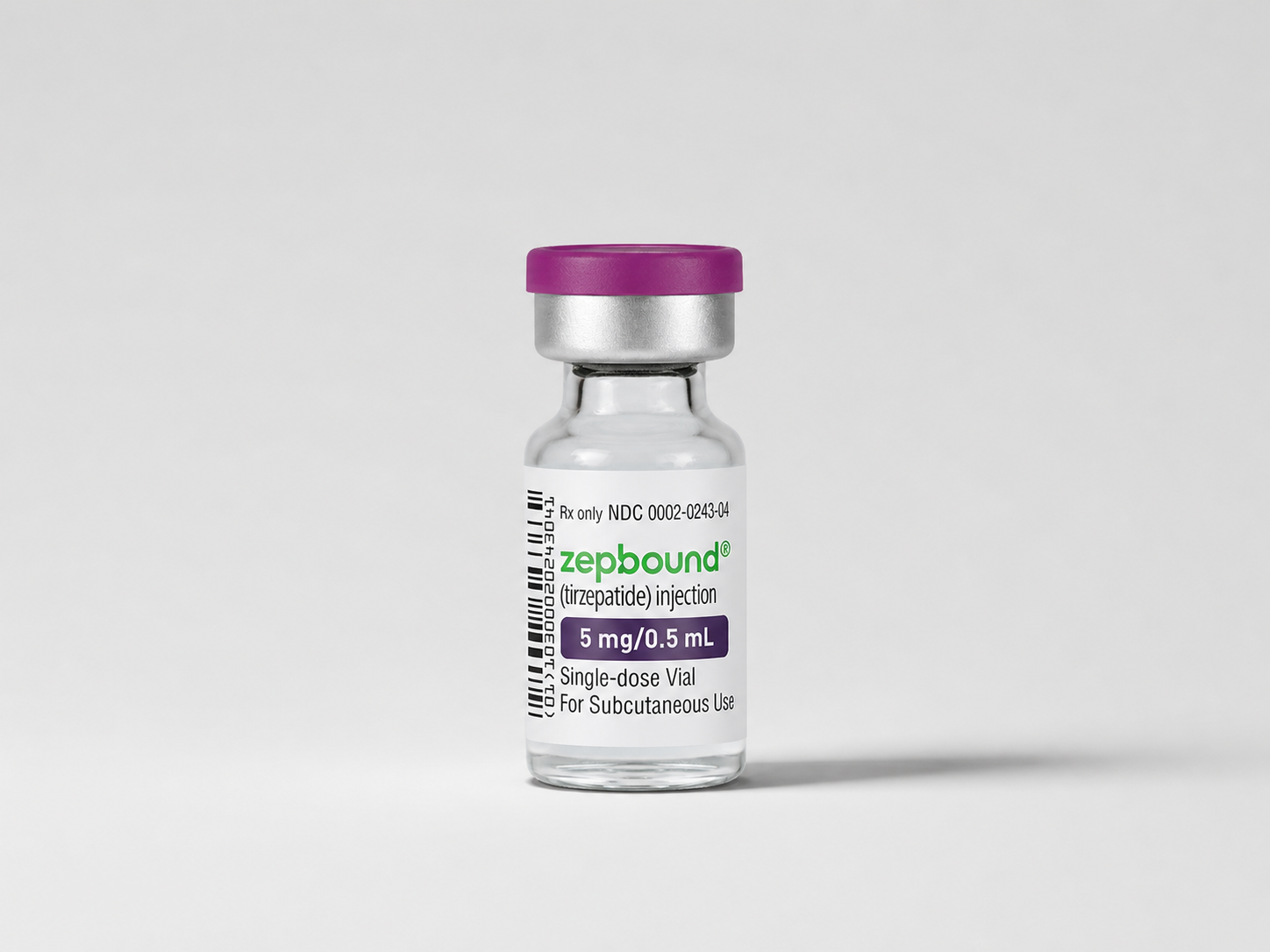

Zepbound® (Tirzepatide)
Zepbound® is a brand-name injectable tirzepatide, a dual GIP and GLP-1 receptor agonist manufactured by Eli Lilly and Company. It works by mimicking two hormones your body naturally produces, GIP and GLP-1, reducing appetite and caloric intake and slowing gastric emptying. It is FDA-approved as a once-weekly injection for chronic weight management in adults and for moderate-to-severe obstructive sleep apnea in adults with obesity.
*Prescription required. Results may vary. For additional information, see product information.
Zepbound® is injected once weekly, on the same day each week, at any time of day, with or without meals. It is administered subcutaneously in the abdomen, thigh, or upper arm. Your physician will start you at 2.5 mg and gradually increase the dose.
Possible Side Effects
The most common side effects of Zepbound® include nausea, diarrhea, vomiting, constipation, stomach or abdominal pain, indigestion, injection site reactions, fatigue, hypersensitivity reactions, burping, hair loss, and gastroesophageal reflux disease.
Other reported side effects include gas, abdominal bloating, dizziness, low blood pressure, altered skin sensation, altered taste, dry mouth or dry throat, increased heart rate, low blood sugar, gallbladder problems, kidney injury, increased amylase or lipase, ileus, intestinal obstruction, and severe constipation including fecal impaction.
Injection site reactions may include bruising, redness, itching, pain, rash, irritation, swelling, or discomfort at the injection site.
Zepbound® may also cause serious side effects, including severe gastrointestinal reactions, dehydration that can lead to kidney problems, gallbladder disease, pancreatitis, serious allergic reactions, low blood sugar, diabetic retinopathy complications in patients with type 2 diabetes, pulmonary aspiration during procedures requiring anesthesia or deep sedation, and risk of blood-borne pathogen transmission if a Zepbound® KwikPen is shared.
Seek medical care right away if you have severe or persistent stomach pain, pain that spreads to your back, severe vomiting or diarrhea, signs of dehydration, reduced urination, yellowing of the skin or eyes, symptoms of low blood sugar, swelling of the face or throat, trouble breathing, severe rash, fainting, sudden vision changes, or sudden severe symptoms after using Zepbound®.
Tell your healthcare provider if side effects are severe, persistent, worsening, or concerning.
You are encouraged to report negative side effects of prescription products:
- Contact FDA MedWatch at 1-800-FDA-1088 or visit www.fda.gov/medwatch
All medications require a consultation with a licensed physician who will determine if treatment is appropriate based on your labs and medical history.
Important Safety Information
Important Safety Information — Zepbound®
What is Zepbound®?
Zepbound® is a prescription injectable medication containing tirzepatide, a glucose-dependent insulinotropic polypeptide, or GIP, receptor and glucagon-like peptide-1, or GLP-1, receptor agonist.
Zepbound® is used with a reduced-calorie diet and increased physical activity to reduce excess body weight and maintain weight reduction long term in adults with obesity or adults with overweight in the presence of at least one weight-related condition. Zepbound® is also used to treat moderate to severe obstructive sleep apnea, or OSA, in adults with obesity.
Zepbound® contains tirzepatide and should not be used with other tirzepatide-containing products or with any GLP-1 receptor agonist unless specifically directed by your healthcare provider.
This page does not include all possible information about Zepbound®. Always follow your prescription label and the instructions provided by your healthcare provider or pharmacist.
Boxed Warning: Risk of Thyroid C-Cell Tumors
In studies with rats, tirzepatide caused thyroid C-cell tumors. It is unknown whether Zepbound® causes thyroid C-cell tumors, including medullary thyroid carcinoma, or MTC, in humans.
Do not use Zepbound® if you or anyone in your family has ever had MTC, or if you have Multiple Endocrine Neoplasia syndrome type 2, also called MEN 2.
Tell your healthcare provider if you develop symptoms of a thyroid tumor, including a lump or swelling in the neck, trouble swallowing, shortness of breath, or persistent hoarseness.
Who should not use Zepbound®?
Do not use Zepbound® if you have a personal or family history of MTC or if you have MEN 2.
Do not use Zepbound® if you have had a serious allergic reaction to tirzepatide or to any ingredient in Zepbound®.
Do not use Zepbound® if the medication appears cloudy, discolored, contains particles, has been frozen, appears damaged, or otherwise looks unusual.
Severe Gastrointestinal Reactions
Zepbound® can cause gastrointestinal side effects that may be severe, including nausea, vomiting, diarrhea, constipation, stomach or abdominal pain, indigestion, reflux, bloating, burping, gas, and related symptoms.
Zepbound® is not recommended in patients with severe gastroparesis.
Tell your healthcare provider if you have severe, persistent, or worsening stomach or intestinal symptoms.
Kidney Problems Due to Dehydration
Acute kidney injury has been reported with Zepbound® and GLP-1 receptor agonists, including cases requiring hemodialysis. Many reported cases occurred in patients who had nausea, vomiting, diarrhea, or dehydration.
Contact your healthcare provider if you have persistent vomiting, severe diarrhea, reduced urination, dizziness, weakness, or signs of dehydration.
Gallbladder Problems
Treatment with Zepbound® and GLP-1 receptor agonists is associated with an increased occurrence of gallbladder disease, including gallstones and gallbladder inflammation.
Contact your healthcare provider if you develop upper stomach pain, fever, yellowing of the skin or eyes, clay-colored stools, or symptoms that may suggest gallbladder disease.
Acute Pancreatitis
Acute pancreatitis, including fatal and non-fatal hemorrhagic or necrotizing pancreatitis, has been observed in patients treated with GLP-1 receptor agonists or Zepbound®.
Stop using Zepbound® and contact your healthcare provider right away if you have severe or persistent stomach pain, especially if the pain spreads to your back or occurs with nausea or vomiting.
Serious Allergic Reactions
Serious allergic reactions, including anaphylaxis and angioedema, have been reported with tirzepatide.
Stop using Zepbound® and seek medical care right away if you have trouble breathing, swelling of the face, lips, tongue, or throat, severe rash, hives, fainting, dizziness, very rapid heartbeat, or sudden severe symptoms after using Zepbound®.
Low Blood Sugar
Zepbound® lowers blood glucose and can cause low blood sugar. The risk may be higher if Zepbound® is used with insulin or an insulin secretagogue such as a sulfonylurea.
Tell your healthcare provider if you have diabetes or take medications that lower blood sugar. Your healthcare provider may monitor your blood glucose and may adjust your diabetes medications.
Symptoms of low blood sugar may include dizziness, shakiness, sweating, hunger, confusion, drowsiness, weakness, headache, fast heartbeat, anxiety, irritability, mood changes, or feeling jittery.
Diabetic Retinopathy
Rapid improvement in blood sugar control has been associated with temporary worsening of diabetic retinopathy.
Zepbound® has not been studied in patients with non-proliferative diabetic retinopathy requiring acute therapy, proliferative diabetic retinopathy, or diabetic macular edema.
Tell your healthcare provider if you have type 2 diabetes or a history of diabetic retinopathy. Contact your healthcare provider if you notice changes in vision during treatment with Zepbound®.
Procedures Requiring Anesthesia or Deep Sedation
Zepbound® delays gastric emptying. Rare cases of pulmonary aspiration have been reported in patients taking GLP-1 receptor agonists during procedures requiring general anesthesia or deep sedation.
Tell your healthcare providers before any planned surgery or procedure if you are taking Zepbound®.
Never Share a Zepbound® KwikPen
Never share a Zepbound® KwikPen with another person, even if the pen needle is changed. Sharing a pen can transmit blood-borne pathogens.
Possible Side Effects
The most common side effects of Zepbound® include nausea, diarrhea, vomiting, constipation, stomach or abdominal pain, indigestion, injection site reactions, fatigue, hypersensitivity reactions, burping, hair loss, and gastroesophageal reflux disease.
Other reported side effects include gas, abdominal bloating, dizziness, low blood pressure, altered skin sensation, altered taste, dry mouth or dry throat, increased heart rate, low blood sugar, gallbladder problems, kidney injury, increased amylase or lipase, ileus, intestinal obstruction, and severe constipation including fecal impaction.
Injection site reactions may include bruising, redness, itching, pain, rash, irritation, swelling, or discomfort at the injection site.
Tell your healthcare provider if side effects are severe, persistent, worsening, or concerning.
Drug Interactions
Tell your healthcare provider about all medications, vitamins, supplements, and over-the-counter products you take.
Zepbound® may increase the risk of low blood sugar when used with insulin or insulin secretagogues such as sulfonylureas. Your healthcare provider may reduce the dose of insulin or insulin secretagogues to lower this risk.
Zepbound® delays gastric emptying and may affect the absorption of medications taken by mouth. Your healthcare provider may monitor medications taken by mouth, especially medications with a narrow therapeutic index or medications that require clinical monitoring, such as warfarin.
Oral Contraceptives
Zepbound® may reduce the effectiveness of oral hormonal contraceptives because it delays gastric emptying. This effect is largest after the first dose and may decrease over time.
Patients using oral hormonal contraceptives should switch to a non-oral contraceptive method or add a barrier method of contraception for 4 weeks after starting Zepbound® and for 4 weeks after each dose increase.
Hormonal contraceptives that are not taken by mouth are not expected to be affected in the same way.
Pregnancy
Zepbound® may cause fetal harm. Weight loss is not recommended during pregnancy.
Tell your healthcare provider if you are pregnant, planning to become pregnant, or may become pregnant. Zepbound® should be discontinued when pregnancy is recognized.
There will be a pregnancy exposure registry for women exposed to Zepbound® during pregnancy. Pregnant patients and healthcare providers may contact Eli Lilly and Company at 1-800-LillyRx / 1-800-545-5979.
Breastfeeding
It is not known whether tirzepatide passes into human milk, affects the breastfed infant, or affects milk production.
Tell your healthcare provider if you are breastfeeding or planning to breastfeed. Your healthcare provider can discuss the potential benefits and risks of using Zepbound® while breastfeeding.
Pediatric Use
The safety and effectiveness of Zepbound® have not been established in pediatric patients.
Geriatric Use
No overall differences in safety or effectiveness were observed between patients 65 years of age and older and younger adult patients in weight-reduction clinical studies. Zepbound® studies in OSA did not include sufficient numbers of patients aged 65 years and older to determine whether they respond differently from younger adult patients.
Kidney or Liver Impairment
No dose adjustment of Zepbound® is recommended for patients with kidney or liver impairment.
Your healthcare provider may monitor kidney function if you experience nausea, vomiting, diarrhea, dehydration, or other symptoms that could lead to volume depletion.
How to Use Zepbound®
Use Zepbound® exactly as prescribed. Zepbound® is injected under the skin of the stomach, thigh, or upper arm once weekly, at any time of day, with or without meals.
Before using Zepbound®, receive training from your healthcare provider on proper injection technique. Rotate injection sites with each dose.
Zepbound® may be supplied as a single-dose pen, single-dose vial, multi-dose vial, or single-patient-use KwikPen. Do not reuse single-dose pens, vials, needles, or syringes. Do not share injection supplies with other people.
Before each use, inspect Zepbound®. The solution should appear clear and colorless to slightly yellow. Do not use Zepbound® if it contains particles, is discolored, has been frozen, appears damaged, or otherwise looks unusual.
Missed Dose
If you miss a dose of Zepbound®, use it as soon as possible within 4 days / 96 hours after the missed dose.
If more than 4 days have passed, skip the missed dose and use the next dose on the regularly scheduled day.
You may change the day of weekly administration if needed, as long as at least 3 days / 72 hours have passed between doses.
Do not use extra Zepbound® to make up for a missed dose unless directed by your healthcare provider.
Overdose
In case of overdose, seek medical attention immediately or contact Poison Control at 1-800-222-1222.
A period of observation and treatment may be needed because tirzepatide has a half-life of approximately 5 to 6 days.
Storage
Store Zepbound® in the original carton to protect it from light. Protect Zepbound® from heat and light. Do not freeze Zepbound®. Do not use Zepbound® if it has been frozen.
Store Zepbound® single-dose pens and single-dose vials in the refrigerator at 36°F to 46°F / 2°C to 8°C. If needed, each single-dose pen or single-dose vial may be stored unrefrigerated at temperatures not above 86°F / 30°C for up to 21 days. Discard after a total of 21 days at room temperature.
Store unopened multi-dose vials or single-patient-use KwikPens in the refrigerator at 36°F to 46°F / 2°C to 8°C. If stored at room temperature up to 86°F / 30°C, throw away unopened multi-dose vials or single-patient-use KwikPens after 30 days.
After a multi-dose vial or single-patient-use KwikPen has been opened, store it in the original carton in the refrigerator at 36°F to 46°F / 2°C to 8°C or at room temperature up to 86°F / 30°C. Throw it away after 30 days at room temperature, 30 days after first use, or after taking 4 weekly doses, even if medicine remains.
Keep Zepbound® and all medicines out of reach of children.
Medication Disposal
Dispose of used needles, syringes, pens, and vials in an FDA-cleared sharps disposal container right away after use. Do not place loose needles, syringes, pens, or vials directly into household trash.
Do not flush unused medication down the toilet or pour it into a sink or drain unless specifically instructed. Follow local disposal guidance or ask your pharmacist how to safely dispose of unused medication and injection supplies.
When to Contact Your Provider
Contact your healthcare provider if you experience persistent nausea, vomiting, diarrhea, constipation, abdominal pain, reflux, dizziness, fatigue, headache, injection site symptoms, signs of dehydration, changes in vision, symptoms of low blood sugar, palpitations, gallbladder symptoms, or any side effect that feels unusual or concerning.
Seek Emergency Medical Care
Seek emergency medical care if you experience severe or persistent stomach pain, pain that spreads to your back, severe vomiting or diarrhea, signs of severe dehydration, reduced urination, severe low blood sugar, swelling of the face or throat, trouble breathing, severe rash or hives, fainting, chest pain, symptoms of stroke, sudden vision changes, severe dizziness, or sudden severe symptoms after using Zepbound®.
Reporting Side Effects
Tell your healthcare provider if you experience side effects or symptoms that concern you.
You may report suspected adverse reactions to Eli Lilly and Company at 1-800-LillyRx / 1-800-545-5979 or to the FDA at 1-800-FDA-1088 or www.fda.gov/medwatch.
Telemedicine Disclosure
This prescription may be issued through telemedicine after review by a licensed healthcare provider. If you experience concerning symptoms, contact your ATHS provider or seek emergency medical care.
Withholding or providing inaccurate information about your symptoms, medical history, medications, allergies, prior reactions, diabetes status, blood sugar history, pancreas history, gallbladder history, kidney function, eye disease, thyroid cancer history, MEN 2 history, pregnancy status, breastfeeding status, contraceptive use, planned procedures, or other relevant health information may result in serious harm.
Disclaimer
This information is not comprehensive and does not include all possible risks, side effects, interactions, warnings, or precautions associated with Zepbound®. This page does not provide medical advice, diagnosis, or treatment.
For questions about your medication, prescription, dosing, side effects, or treatment plan, contact your healthcare provider or pharmacist.
For more information, see the full prescribing information for Zepbound®, including Boxed Warning.
What to Know About Zepbound®
Key information for patients considering treatment.
Zepbound® via LillyDirect
Because effective treatment should be accessible from home and backed by real clinical oversight.

What's Included
Weight Loss Treatments for Men

Foundayo™
A once-daily oral GLP-1 tablet, FDA-approved for chronic weight management in adults with obesity or overweight with weight-related medical conditions.
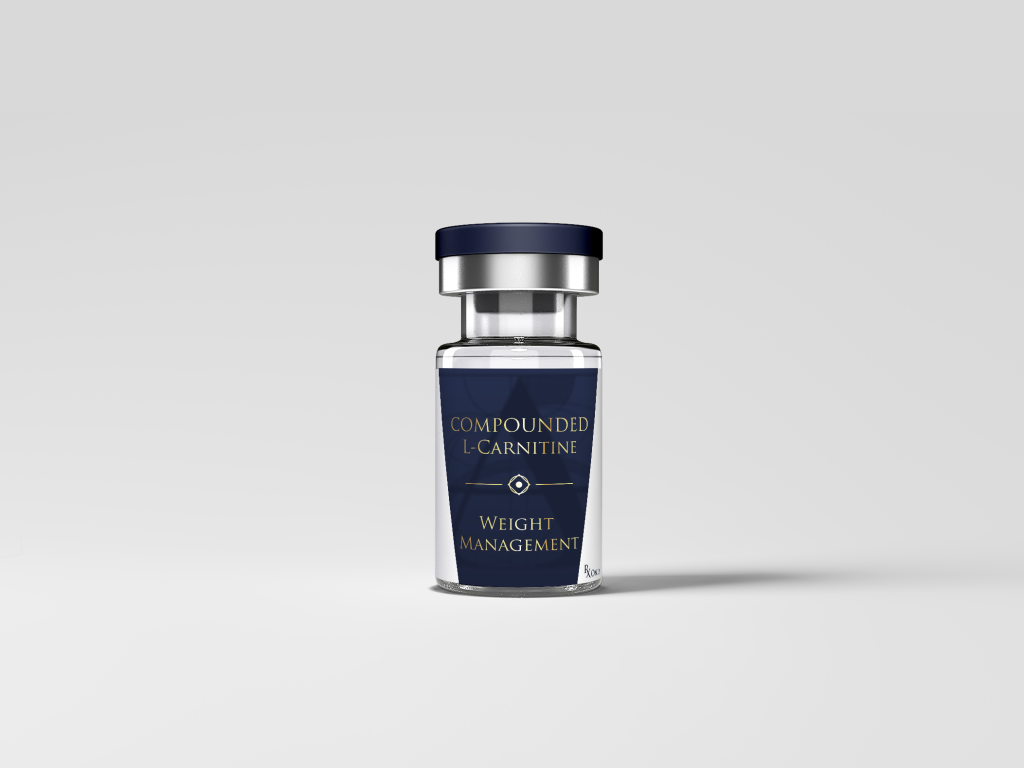
L-Carnitine Injections
A compounded injectable form of L-carnitine

Metformin (Generic)
An oral medication that improves how the body processes insulin and manages blood sugar.

Oral Wegovy® (Semaglutide)
FDA-approved oral semaglutide for chronic weight management.

Ozempic® (Semaglutide)
FDA-approved semaglutide for chronic weight management.

Wegovy® (Semaglutide)
Wegovy® is an FDA approved prescription weight loss medication that helps reduce appetite and support long-term weight management.
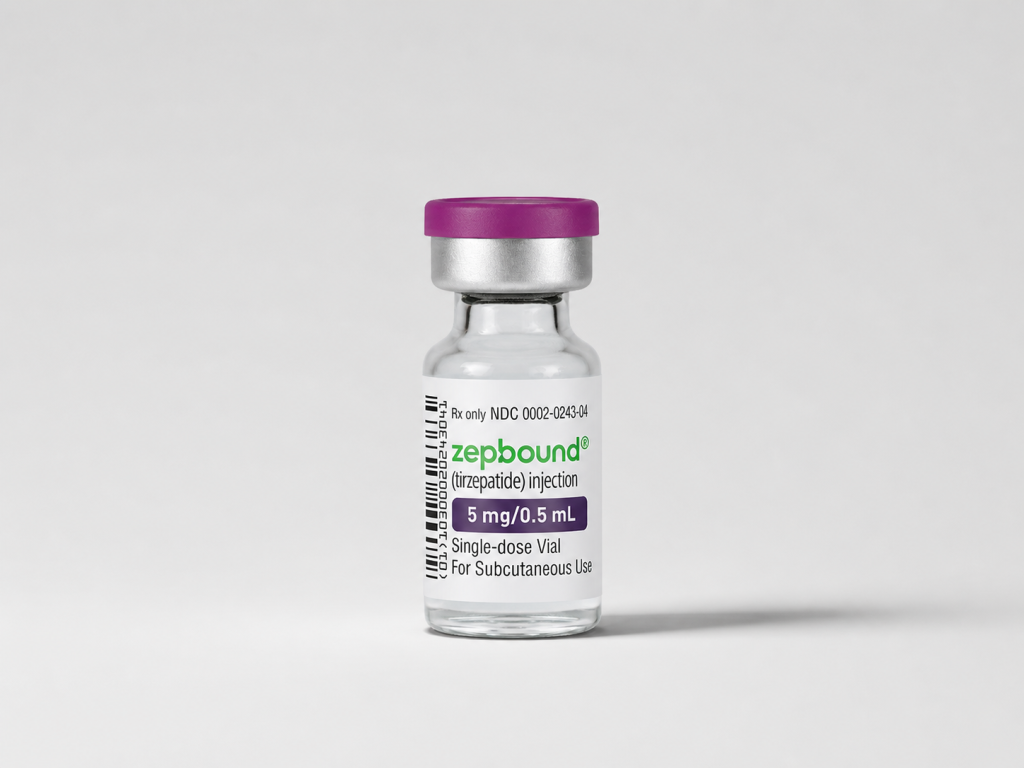
Zepbound® (Tirzepatide)
Zepbound® is an FDA approved prescription weight loss medication that activates both GLP-1 and GIP pathways to help reduce appetite and support long-term weight management.
Important: Compounded testosterone preparations are not FDA approved. The FDA does not evaluate compounded products for safety, effectiveness, or quality. Not available in all 50 states. Prescription products require an online consultation with a healthcare provider who will determine if a prescription is appropriate.
Zepbound® and Foundayo™ are trademarks of Eli Lilly and Company. Alchemical Transformations Health Services, P.C. is not affiliated with or endorsed by Eli Lilly and Company.
Wegovy® and Ozempic® are registered trademarks of Novo Nordisk A/S. Alchemical Transformations Health Services, P.C. is not affiliated with or endorsed by Novo Nordisk.
Go beyond what you feel
A single blood panel can show you more about your health than most people ever see.
Starting at $179
Get startedFrom intake to treatment in four steps.
No monthly subscriptions or hidden fees.

Online Assessment
Complete a brief intake covering your health history, current symptoms, and what you are looking to address.
Lab Testing
Select one of our blood work panels and complete your draw at a Quest location near you, or send us labs from the last 3 months. At-home draws are available for an added fee.

Provider Consultation
Your licensed medical provider reviews your results, explains what they mean, and builds your treatment plan for you.

Start Treatment
If treatment is clinically appropriate, your provider sends your prescription to LillyDirect® Pharmacy and your Zepbound® ships directly to your home.
Learn More
Expert insights and educational resources
No blog posts selected. Please select posts in the element settings.
Zepbound FAQ
Can't find what you're looking for?
