
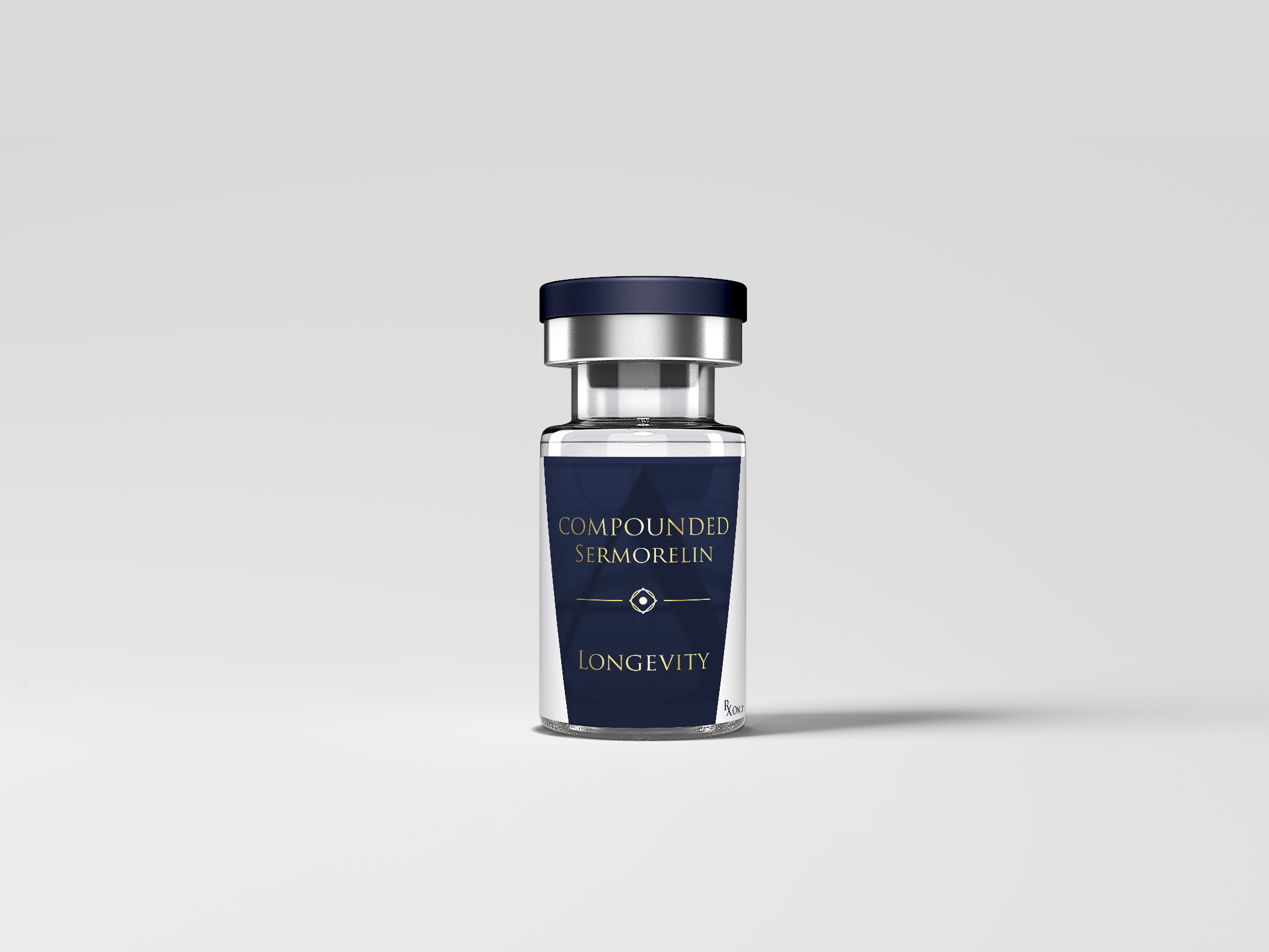
Compounded Sermorelin
Sermorelin is a peptide that mimics growth hormone-releasing hormone (GHRH), the natural signal that prompts the pituitary gland to release growth hormone.
Compounded medications are not FDA-approved and have not been evaluated by the FDA for safety, effectiveness, or quality prior to dispensing
Typically administered by subcutaneous injection, often at bedtime, as prescribed by your provider. Dosing and frequency are based on your labs and goals.
Possible Side Effects
Possible side effects of compounded sermorelin may include pain, redness, swelling, itching, irritation, bruising, or discomfort at the injection site.
Other possible side effects may include headache, dizziness, flushing, sleepiness, nausea, restlessness, or trouble sitting still.
Allergic or hypersensitivity reactions may occur. Seek medical care right away if you develop trouble swallowing, swelling of the face or throat, trouble breathing, hives, severe rash, fainting, or sudden severe symptoms after using compounded sermorelin.
Because sermorelin acts on growth hormone-releasing hormone pathways, your provider may monitor IGF-1, blood sugar, thyroid function, and other labs when clinically appropriate. Tell your healthcare provider if you have diabetes, blood sugar problems, thyroid disease, pituitary disease, a history of cancer, active cancer, abnormal growths or tumors, or new or unusual symptoms during treatment.
Tell your healthcare provider if side effects are severe, persistent, worsening, or concerning.
You are encouraged to report negative side effects of prescription products:
- Contact FDA MedWatch at 1-800-FDA-1088 or visit www.fda.gov/medwatch
The statements on this page have not been evaluated by the Food and Drug Administration. This product is not intended to diagnose, treat, cure, or prevent any disease.
Important Safety Information
Important Safety Information — Compounded Sermorelin
What is this?
This Important Safety Information summarizes key warnings, precautions, contraindications, and possible side effects for compounded sermorelin, an injectable prescription medication used in certain patients when a licensed healthcare provider determines that sermorelin therapy is medically appropriate.
Sermorelin acetate is a synthetic peptide analog of growth hormone-releasing hormone, or GHRH, a hormone involved in pituitary signaling.
This page does not include all possible information about compounded sermorelin. Always follow your prescription label, pharmacy instructions, and the instructions provided by your ATHS healthcare provider.
Compounded sermorelin is not FDA-approved. The FDA does not review compounded medications for safety, effectiveness, or quality before they are dispensed. Compounded medications may be prescribed when a licensed healthcare provider determines that a compounded preparation is medically appropriate for a specific patient.
Who should not use compounded sermorelin?
Do not use compounded sermorelin if you are allergic to sermorelin, growth hormone-releasing hormone analogs, or any ingredient in your prescribed formulation.
Do not use compounded sermorelin if the medication appears contaminated, discolored, cloudy, leaking, damaged, or otherwise unusual.
Tell your healthcare provider before using compounded sermorelin if you have active cancer, a history of cancer, pituitary tumors, abnormal growths or tumors, diabetes, blood sugar problems, thyroid disease, sleep apnea, swelling or fluid retention, severe illness, recent surgery, or any condition that may make growth hormone-related therapy inappropriate.
Growth Hormone Pathway, IGF-1, and Monitoring
Sermorelin is related to growth hormone-releasing hormone signaling. Your healthcare provider may monitor IGF-1 levels, symptoms, and other labs to help assess treatment response and safety.
Do not change your dose, dosing schedule, or route of administration without medical direction.
Using more compounded sermorelin than prescribed may increase the risk of side effects or abnormal lab values.
Blood Sugar and Diabetes Warning
Growth hormone-related pathways may be clinically relevant in patients with diabetes or blood sugar problems. Tell your healthcare provider if you have diabetes, prediabetes, high blood sugar, low blood sugar, insulin resistance, or if you use insulin or other medications that affect blood sugar.
Your healthcare provider may recommend blood sugar or A1c monitoring before or during treatment when clinically appropriate.
Contact your healthcare provider if you notice increased thirst, increased urination, unusual fatigue, blurred vision, dizziness, shakiness, sweating, confusion, or other symptoms that may suggest blood sugar changes.
Thyroid Warning
Thyroid function may be relevant during sermorelin therapy. Underactive thyroid may interfere with the clinical response to sermorelin.
Tell your healthcare provider if you have thyroid disease, take thyroid medication, or develop symptoms such as unusual fatigue, cold intolerance, constipation, unexplained weight changes, palpitations, heat intolerance, or other thyroid-related symptoms.
Cancer, Tumors, and Abnormal Growths
Tell your healthcare provider if you have active cancer, a history of cancer, pituitary tumors, abnormal growths, unexplained lumps, or new or worsening symptoms that could require evaluation.
Because sermorelin is involved in growth hormone-related signaling, patients with active or prior malignancy should be evaluated carefully before use and monitored as clinically appropriate.
Allergic and Hypersensitivity Reactions
Allergic or hypersensitivity reactions may occur with compounded sermorelin or inactive ingredients in the formulation.
Seek medical care right away if you develop trouble swallowing, swelling of the face or throat, trouble breathing, hives, severe rash, fainting, or sudden severe symptoms after using compounded sermorelin.
Possible Side Effects
Possible side effects of compounded sermorelin may include pain, redness, swelling, itching, irritation, bruising, or discomfort at the injection site.
Other possible side effects may include headache, dizziness, flushing, sleepiness, nausea, restlessness, or trouble sitting still.
Allergic or hypersensitivity reactions may occur. Seek medical care right away if you develop trouble swallowing, swelling of the face or throat, trouble breathing, hives, severe rash, fainting, or sudden severe symptoms after using compounded sermorelin.
Because sermorelin acts on growth hormone-releasing hormone pathways, your provider may monitor IGF-1, blood sugar, thyroid function, and other labs when clinically appropriate. Tell your healthcare provider if you have diabetes, blood sugar problems, thyroid disease, pituitary disease, a history of cancer, active cancer, abnormal growths or tumors, or new or unusual symptoms during treatment.
Tell your healthcare provider if side effects are severe, persistent, worsening, or concerning.
Injection Site Reactions
Injection site reactions may include pain, redness, swelling, itching, irritation, bruising, tenderness, warmth, or discomfort at the injection site.
Contact your healthcare provider if injection site symptoms are severe, persistent, worsening, warm to the touch, draining, or associated with fever.
Drug Interactions
Tell your healthcare provider about all medications, vitamins, supplements, peptides, hormones, and over-the-counter products you use.
Tell your healthcare provider if you use insulin, diabetes medications, thyroid medication, corticosteroids, hormone therapy, growth hormone products, growth hormone secretagogues, anabolic steroids, or other medications that may affect endocrine function, blood sugar, fluid balance, or lab interpretation.
Do not combine compounded sermorelin with other growth hormone-related therapies, peptides, or hormone therapies unless specifically directed by your healthcare provider.
Monitoring During Treatment
Your provider may monitor IGF-1, blood sugar, A1c, thyroid function, symptoms, injection tolerance, and other labs based on your medical history and treatment plan.
Do not skip recommended follow-up or lab testing. Some treatment-related concerns may not be obvious without lab work or clinical review.
Pregnancy
Tell your healthcare provider if you are pregnant, planning to become pregnant, or may become pregnant.
Compounded sermorelin should be used during pregnancy only if a licensed healthcare provider determines that the potential benefit justifies the potential risk.
Breastfeeding
Tell your healthcare provider if you are breastfeeding or planning to breastfeed.
There may be limited information about compounded sermorelin use during breastfeeding. Your healthcare provider can discuss the potential benefits and risks based on your situation.
Pediatric Use
Compounded sermorelin is not suitable for children or pediatric use unless specifically prescribed by a qualified healthcare provider after appropriate evaluation.
Older Adults
Older adults may be more likely to have medical conditions or use medications that require closer review before using compounded sermorelin.
Tell your healthcare provider about any history of diabetes, thyroid disease, cancer, pituitary disease, cardiovascular disease, kidney disease, liver disease, sleep apnea, swelling, or recent surgery.
When to Contact Your Provider
Contact your provider if you develop persistent headache, dizziness, flushing, sleepiness, restlessness, injection site reactions, changes in blood sugar, swelling, unusual fatigue, thyroid-related symptoms, new lumps or growths, or any side effect that feels unusual or concerning.
Seek Emergency Medical Care
Seek emergency medical care if you experience trouble breathing, swelling of the face or throat, trouble swallowing, fainting, severe allergic reaction, severe rash, severe dizziness, chest pain, sudden severe headache, severe weakness, confusion, signs of severe blood sugar changes, or sudden severe symptoms after using compounded sermorelin.
Missed Dose
If you miss a dose, follow the instructions on your prescription label or contact your healthcare provider or pharmacy.
Do not use extra compounded sermorelin to make up for a missed dose. Do not change your dosing schedule without medical direction.
Overdose
In case of overdose or accidental exposure, seek medical attention immediately or contact Poison Control at 1-800-222-1222.
Using more compounded sermorelin than prescribed may increase the risk of side effects, abnormal lab values, or hormone-related adverse effects.
Storage
Follow the storage instructions provided by your pharmacy.
Compounded sermorelin may require refrigeration depending on the formulation and pharmacy instructions. Do not freeze unless specifically instructed by your pharmacy.
In general:
- Store medication at the temperature listed on the prescription label.
- Keep away from excessive heat, moisture, and direct light.
- Keep out of reach of children and pets.
- Do not use medication that appears contaminated, discolored, cloudy, leaking, damaged, or otherwise unusual.
- If using injectable medication, use only as instructed and dispose of needles and syringes in an appropriate sharps container.
Medication Disposal
Do not flush unused medication down the toilet or pour it into a sink or drain unless specifically instructed.
Follow local disposal guidance or ask your pharmacist for instructions on how to safely dispose of unused medication.
For injectable supplies, place needles and syringes in an approved sharps container. Do not place loose needles directly into household trash.
Reporting Side Effects
Tell your healthcare provider if you experience side effects or symptoms that concern you.
You may report suspected adverse reactions or product quality concerns to the FDA through MedWatch at 1-800-FDA-1088 or www.fda.gov/medwatch.
Telemedicine Disclosure
This prescription may be issued through telemedicine after review by a licensed healthcare provider. If you experience concerning symptoms, contact your ATHS provider or seek emergency medical care.
Withholding or providing inaccurate information about your symptoms, medical history, medications, substance use, allergies, prior reactions, lab results, cancer history, pituitary history, thyroid history, diabetes status, blood sugar history, pregnancy status, breastfeeding status, or other relevant health information may result in serious harm.
Disclaimer
This information is not comprehensive and does not include all possible risks, side effects, interactions, warnings, or precautions associated with compounded sermorelin. This page does not provide medical advice, diagnosis, or treatment.
Compounded sermorelin is prescribed only when a licensed healthcare provider determines that it is medically appropriate. Compounded medications are not FDA-approved and are not reviewed by the FDA for safety, effectiveness, or quality before dispensing.
For questions about your medication, prescription, dosing, side effects, or treatment plan, contact your healthcare provider or pharmacist.
Why Sermorelin with ATHS?
Because effective treatment should be accessible from home and backed by real clinical oversight.

What's Included
Longevity Treatments for Men

Cialis® (Tadalafil)
Cialis®, is a long-acting medication for erectile dysfunction with effects that can last up to 36 hours.

Compounded Tadalafil
A chewable compounded formulation of tadalafil, a PDE5 inhibitor.
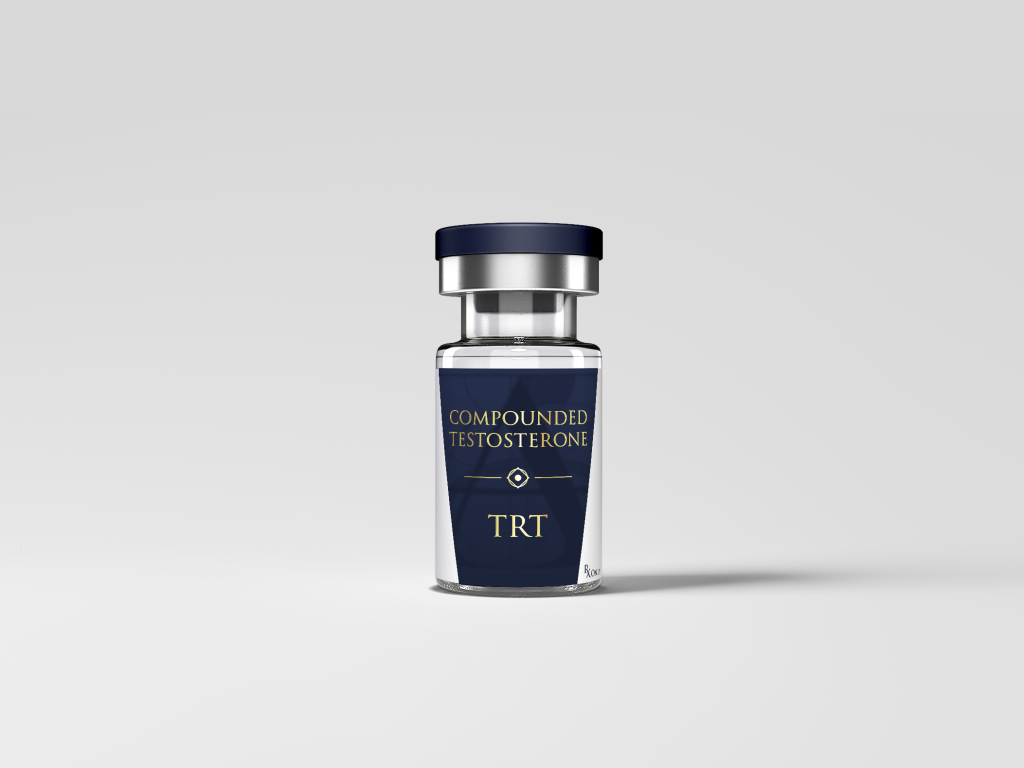
Compounded Testosterone Injection
A clinically monitored testosterone therapy option using scheduled injections as the route of administration.

Compounded Transdermal Testosterone Cream
A clinically monitored testosterone therapy option using daily topical cream as the route of administration.

GHK-Cu (Copper Peptide)
A compounded topical cream made with GHK-Cu (copper peptide).

Glutathione
An injectable tripeptide composed of glutamate, cysteine, and glycine.
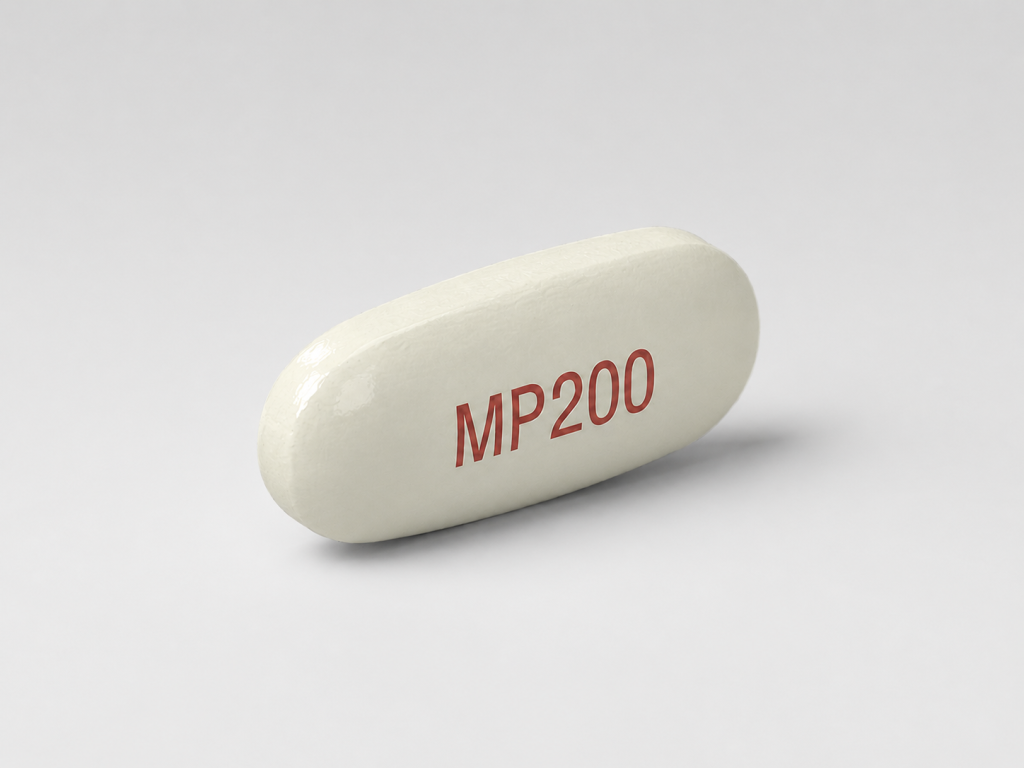
Kyzatrex®
An FDA approved oral testosterone replacement therapy option for men.

Metformin (Generic)
An oral medication that improves how the body processes insulin and manages blood sugar.

NAD+ Injection
Compounded NAD+ is a formulation of nicotinamide adenine dinucleotide, a coenzyme involved in cellular energy production and metabolic function.

Niagen®+
An injection containing nicotinamide riboside chloride in the form of Niagen®, a form of vitamin B3 that the body uses to produce NAD+, a coenzyme involved in cellular energy metabolism.

Sermorelin
A peptide that mimics growth hormone-releasing hormone (GHRH)

Tadalafil (Generic Cialis®)
A prescription medication for erectile dysfunction that helps improve blood flow and can remain effective for up to 36 hours.
Important: Compounded testosterone preparations are not FDA approved. The FDA does not evaluate compounded products for safety, effectiveness, or quality. Not available in all 50 states. Prescription products require an online consultation with a healthcare provider who will determine if a prescription is appropriate.
Kyzatrex® is the registered trademark of Marius Pharmaceuticals, Inc. Alchemical Transformations Health Services, PC. is not affiliated with or endorsed by Marius Pharmaceuticals, Inc.
Pregnyl® is the registered trademark of Organon LLC. Alchemical Transformations Health Services, PC. is not affiliated with or endorsed by Organon LLC.
Go beyond what you feel
A single blood panel can show you more about your health than most people ever see.
Starting at $179
Get startedFrom intake to treatment in four steps.
No monthly subscriptions or hidden fees.

Online Assessment
Complete a brief intake covering your health history, current symptoms, and what you are looking to address.

Lab Testing
Select one of our blood work panels and complete your draw at a Quest location near you, or send us labs from the last 3 months. At-home draws are available for an added fee.

Provider Consultation
Your licensed medical provider reviews your results, explains what they mean, and builds your treatment plan for you.

Start Treatment
If treatment is clinically appropriate, your provider prescribes through one of our licensed partner pharmacies and your medications ship directly to your home.
Learn More
Expert insights and educational resources
No blog posts selected. Please select posts in the element settings.
Sermorelin FAQ
Can't find what you're looking for?
