Medical Weight Loss for Women in Texas
Prescription weight loss through metabolic and hormonal testing, physician-guided protocols, and ongoing monitoring from home.
BMI Calculator
BMI, or Body Mass Index, is a simple screening tool that estimates whether your weight is in a healthy range for your height. It can be useful for spotting possible weight-related health risks, but it does not directly measure body fat or overall health.
Your BMI
—
- Underweight< 18.5
- Healthy Weight18.5 – 24.9
- Overweight25 – 29.9
- Obesity> 30
See if weight loss treatments could be right for you.
BMI is a general screening tool and does not directly measure body fat or overall health, so it may not be accurate for everyone. This calculator does not guarantee eligibility for weight loss medication, only a licensed healthcare provider can determine whether medication is appropriate based on your full health history.
When your effort isn't the problem
If you’re here, you’ve probably already tried everything. You’ve tracked calories, adjusted your macros, stayed consistent for months, and watched the scale barely move, or watched it come back the moment you stopped being perfect. The frustrating part is that you did everything right and your body still didn’t respond the way you expected it to.
That gap between effort and results sometimes has a metabolic explanation. Hormonal changes, insulin sensitivity, thyroid function, cortisol, these things shape how your body stores fat, burns energy, and responds to a caloric deficit.
But a prescription without the clinical picture behind it is a short-term solution. We prescribe based on your labs, and we help you build the nutritional and behavioral framework so the results hold up after the medication does its part.
WEIGHT LOSS: THE ALCHEMICAL WAY
Your labs and how you feel, together
Two people at the same weight can have completely different metabolic profiles and a totally different clinical picture. Your provider uses all of it together, not a standard dosing chart.
Your protocol adapts as your body does
Weight loss changes your physiology over time, and your treatment is reviewed and adjusted to reflect where you are in your progress. Dosage, frequency, and medication choice can change based on your response, your labs, and your goals.
Ongoing Care
Working with your medical provider does not end with the prescription. Follow-up visits, lab reviews, and adjustments to your plan happen as your goals and your body change over time.
Weight Loss Treatments for Women

Foundayo™
A once-daily oral GLP-1 tablet, FDA-approved for chronic weight management in adults with obesity or overweight with weight-related medical conditions.

Oral Wegovy®
FDA-approved oral semaglutide for chronic weight management.

Ozempic®
FDA-approved semaglutide for chronic weight management.

Wegovy® (Semaglutide)
Wegovy® is an FDA approved prescription weight loss medication that helps reduce appetite and support long-term weight management.
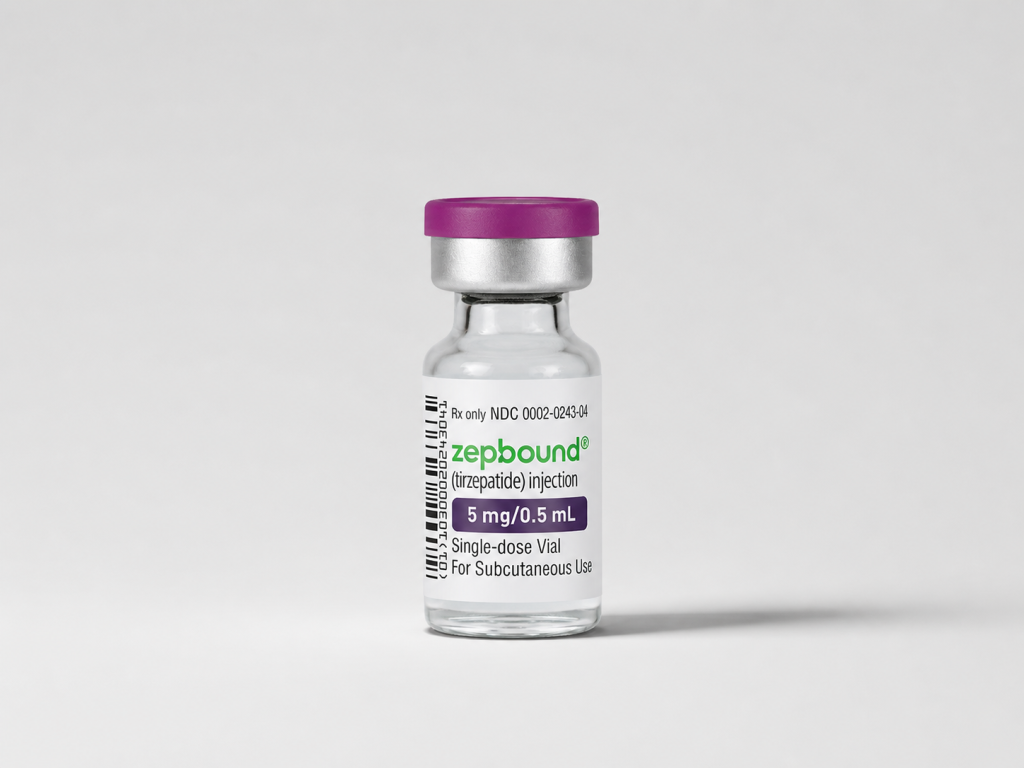
Zepbound®
Zepbound® is an FDA approved prescription weight loss medication that activates both GLP-1 and GIP pathways to help reduce appetite and support long-term weight management.
Important: Compounded testosterone preparations are not FDA approved. The FDA does not evaluate compounded products for safety, effectiveness, or quality. Not available in all 50 states. Prescription products require an online consultation with a healthcare provider who will determine if a prescription is appropriate.
Wegovy® and Ozempic® are registered trademarks of Novo Nordisk A/S. Alchemical Transformations Health Services, PC. is not affiliated with or endorsed by Novo Nordisk A/S.
Zepbound® and Mounjaro® are registered trademarks of Eli Lilly and Company. Alchemical Transformations Health Services, PC. is not affiliated with or endorsed by Eli Lilly and Company.
From intake to treatment in four steps.
No monthly subscriptions or hidden fees.

Online Assessment
Complete a brief intake covering your health history, current symptoms, and what you are looking to address.
Lab Testing
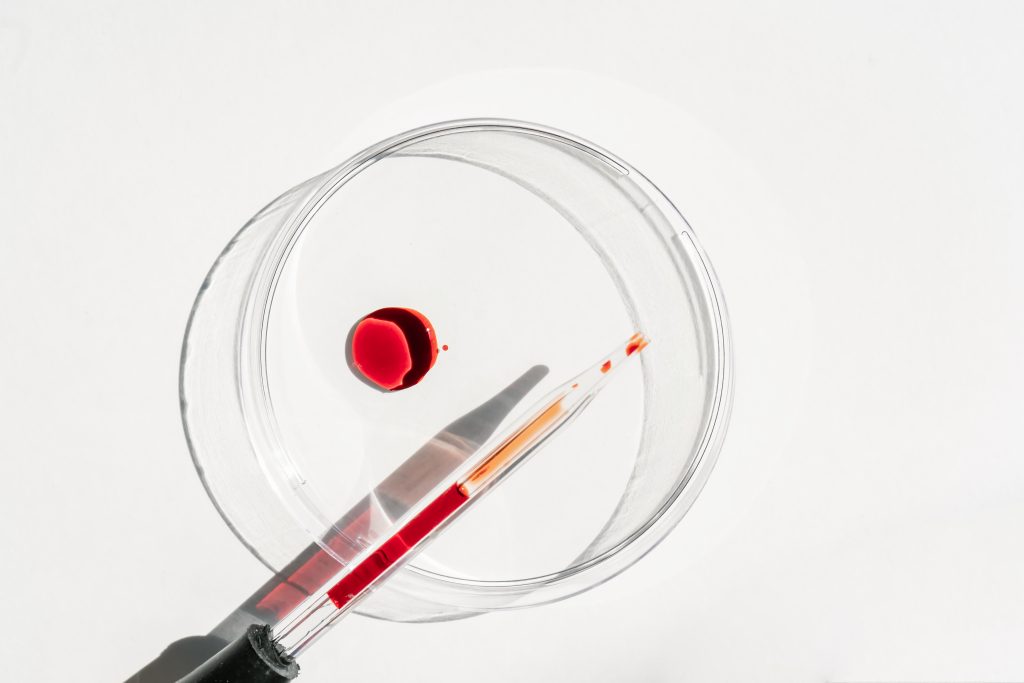
Select one of our blood work panels and complete your draw at a Quest location near you, or send us labs from the last 6 months. At-home draws are available for an added fee.

Provider Consultation
Your licensed medical provider reviews your results, explains what they mean, and builds your treatment plan for you.

Start Treatment
If treatment is clinically appropriate, your provider prescribes through one of our licensed partner pharmacies and your medications ship directly to your home.
Why we test what most physicals don't
Excess weight creates downstream effects on your body. A standard physical won't catch most of them, which is why our panels go deeper.


Hormones
- Estrogen dominance — body fat produces estrogen, promoting fat storage, water retention, and cycle irregularity
- Progesterone — suppressed by body fat and elevated cortisol, compounding estrogen imbalance and affecting mood, sleep, and cycle regularity

Metabolic
- Fasting insulin — An early marker of metabolic dysfunction, insulin resistance makes your body more efficient at storing fat than releasing it
- HbA1c — a three-month blood sugar average that catches glucose problems a single fasting reading can miss

Thyroid
- Free T3 — excess weight impairs conversion of T4 into T3, the active hormone that drives your metabolic rate
- Free T4 — when circulating T4 drops alongside poor conversion, thyroid output is suppressed from both directions

Adrenal
- Cortisol — chronically elevated with excess weight and stress, promotes visceral fat storage and disrupts sleep
- DHEA-S — declines with weight gain and age, tied to insulin resistance, fatigue, and reduced recovery
Go beyond what you feel
A single blood panel can show you more about your health than most people ever see.
Starting at $179
Get startedLearn More
Expert insights and educational resources
No blog posts selected. Please select posts in the element settings.
Weight Loss FAQ
Can't find what you're looking for?

-
Olateju IV et al. "A systematic review on the effectiveness of diet and exercise in the management of obesity." Diabetes & metabolic syndrome vol. 17,4 (2023): 102759.
https://pubmed.ncbi.nlm.nih.gov/37084486/ -
Kim JY. "Optimal Diet Strategies for Weight Loss and Weight Loss Maintenance." Journal of obesity & metabolic syndrome vol. 30,1 (2021): 20-31.
https://pmc.ncbi.nlm.nih.gov/articles/PMC8017325/ -
Ruiz-Castellano C et al. "Achieving an Optimal Fat Loss Phase in Resistance-Trained Athletes: A Narrative Review." Nutrients vol. 13,9 3255. 18 Sep. 2021.
https://pmc.ncbi.nlm.nih.gov/articles/PMC8471721/ -
Takebe N et al. "Weight Gain After 20 Years of Age is Associated with Unfavorable Lifestyle and Increased Prevalence of Metabolic Disorders." Diabetes, metabolic syndrome and obesity vol. 14 2065-2075. 20 May. 2021.
https://pmc.ncbi.nlm.nih.gov/articles/PMC8143959/ -
Palmer AK, Jensen MD. "Metabolic changes in aging humans: current evidence and therapeutic strategies." The Journal of clinical investigation vol. 132,16 (2022): e158451.
https://pmc.ncbi.nlm.nih.gov/articles/PMC9374375/ -
Sarwer DB, Polonsky HM. "The Psychosocial Burden of Obesity." Endocrinology and metabolism clinics of North America vol. 45,3 (2016): 677-88.
https://pmc.ncbi.nlm.nih.gov/articles/PMC6052856/ -
Singla P et al. "Metabolic effects of obesity: A review." World journal of diabetes vol. 1,3 (2010): 76-88.
https://pmc.ncbi.nlm.nih.gov/articles/PMC3083889/