
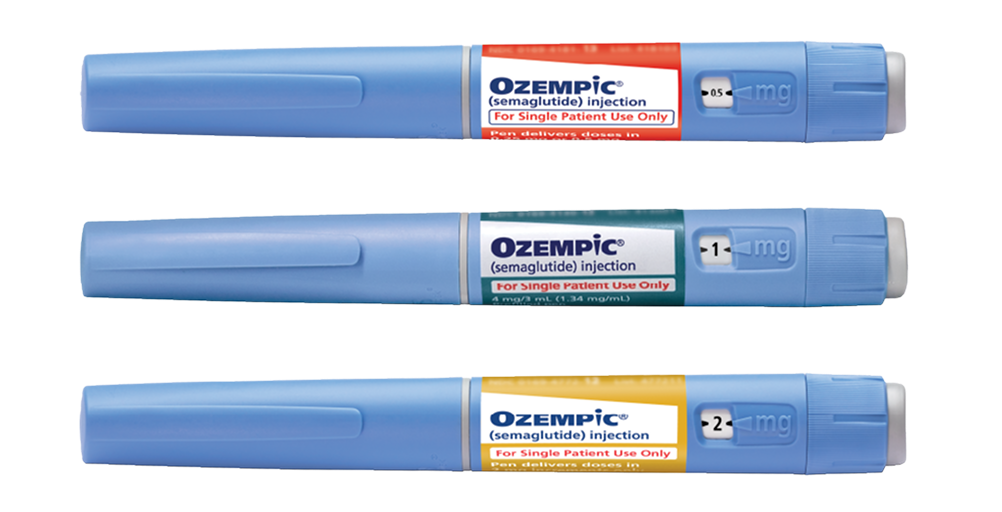

Ozempic® (Semaglutide) via NovoCare® Pharmacy
Ozempic® is a brand-name injectable semaglutide, a GLP-1 receptor agonist manufactured by Novo Nordisk. It works by mimicking a hormone your body naturally produces in response to food, stimulating insulin release when blood sugar is elevated and slowing gastric emptying. It is FDA-approved for use alongside diet and exercise to improve blood sugar in adults with type 2 diabetes. It is also commonly prescribed off-label for weight management; this use has not been evaluated or approved by the FDA for this product.
*Prescription required. Results may vary. For additional information, see product information.
Ozempic® is injected once weekly, on the same day each week, at any time of day, with or without meals. It is administered subcutaneously in the abdomen, thigh, or upper arm. Your physician will start you at a lower dose and gradually increase it. Take Ozempic® exactly as prescribed by your health care provider.
OZEMPIC® may cause side effects, especially stomach-related symptoms when starting treatment or increasing the dose. The most common side effects include nausea, vomiting, diarrhea, stomach or abdominal pain, and constipation.
Some side effects can be serious. Contact your healthcare provider right away if you develop severe or persistent stomach pain, pain that spreads to your back, vomiting or diarrhea that does not go away, symptoms of dehydration, changes in vision, symptoms of low blood sugar, signs of gallbladder problems, or symptoms of an allergic reaction. OZEMPIC® should not be used by men with a personal or family history of medullary thyroid carcinoma, or by patients with Multiple Endocrine Neoplasia syndrome type 2.
Men using OZEMPIC® with insulin or a sulfonylurea may have a higher risk of low blood sugar. Because OZEMPIC® is injected under the skin, injection-site reactions such as discomfort, redness, or irritation can also occur.
You are encouraged to report negative side effects of prescription products:
- Contact FDA MedWatch at 1-800-FDA-1088 or visit www.fda.gov/medwatch
All medications require a consultation with a licensed physician who will determine if treatment is appropriate based on your labs and medical history.
Important Safety Information
Important Safety Information — OZEMPIC® (semaglutide) Injection
What is this?
This Important Safety Information summarizes key warnings, precautions, contraindications, and possible side effects for OZEMPIC® (semaglutide), a prescription GLP-1 receptor agonist injection used in adults with type 2 diabetes mellitus.
OZEMPIC® is indicated as an adjunct to diet and exercise to improve blood sugar control in adults with type 2 diabetes mellitus; to reduce the risk of major adverse cardiovascular events, including cardiovascular death, non-fatal heart attack, or non-fatal stroke, in adults with type 2 diabetes mellitus and established cardiovascular disease; and to reduce the risk of sustained eGFR decline, end-stage kidney disease, and cardiovascular death in adults with type 2 diabetes mellitus and chronic kidney disease.
This page does not include all possible information about OZEMPIC®. Always follow your prescription label, pharmacy instructions, and the instructions provided by your ATHS healthcare provider.
OZEMPIC® is administered by subcutaneous injection once weekly in the abdomen, thigh, or upper arm. OZEMPIC® should not be injected into a muscle or vein.
Boxed Warning: Risk of Thyroid C-Cell Tumors
In rodents, semaglutide caused thyroid C-cell tumors. It is unknown whether OZEMPIC® causes thyroid C-cell tumors, including medullary thyroid carcinoma, or MTC, in humans.
OZEMPIC® is contraindicated in patients with a personal or family history of MTC or in patients with Multiple Endocrine Neoplasia syndrome type 2, also called MEN 2.
Tell your healthcare provider if you develop symptoms of a thyroid tumor, including a lump or swelling in the neck, trouble swallowing, trouble breathing, or persistent hoarseness.
Who should not use OZEMPIC®?
Do not use OZEMPIC® if you or any of your family have ever had medullary thyroid carcinoma, or if you have Multiple Endocrine Neoplasia syndrome type 2.
Do not use OZEMPIC® if you have had a serious allergic reaction to semaglutide or any of the ingredients in OZEMPIC®.
Before using OZEMPIC®
Before using OZEMPIC®, tell your healthcare provider if you have or have had problems with your pancreas, a history of diabetic retinopathy, severe stomach problems such as slowed emptying of the stomach or gastroparesis, kidney problems, gallbladder problems, or if you are scheduled to have surgery or another procedure that uses anesthesia or deep sedation.
Tell your healthcare provider about all medicines you take, including prescription medications, over-the-counter medications, vitamins, and herbal supplements. OZEMPIC® may affect the way some medicines work, and some medicines may affect the way OZEMPIC® works.
Tell your healthcare provider if you use insulin, a sulfonylurea, or another medication that can lower blood sugar.
How to use OZEMPIC®
Use OZEMPIC® exactly as your healthcare provider tells you to use it.
OZEMPIC® is injected under the skin of the stomach area, thigh, or upper arm one time each week, on the same day each week, at any time of day, with or without food.
You may change the day of the week you use OZEMPIC® as long as your last dose was given at least 2 days before.
Rotate your injection site with each injection. Do not use the same exact injection site each time.
Do not mix insulin and OZEMPIC® together in the same injection. OZEMPIC® and insulin may be injected in the same body area, but the injections should not be right next to each other.
Inspect OZEMPIC® before use. It should appear clear and colorless. Do not use OZEMPIC® if it is cloudy, discolored, contains particles, has been frozen, or appears damaged.
Never share an OZEMPIC® pen
Never share an OZEMPIC® pen with another person, even if the needle has been changed. Sharing a pen can transmit blood-borne pathogens and may give another person a serious infection or cause you to get a serious infection from them.
Always use a new needle for each injection. Do not reuse or share needles.
Acute pancreatitis
Acute pancreatitis, including fatal and non-fatal hemorrhagic or necrotizing pancreatitis, has been observed in patients treated with GLP-1 receptor agonists, including OZEMPIC®.
Stop using OZEMPIC® and contact your healthcare provider right away if you develop severe pain in your stomach area that will not go away, with or without vomiting. The pain may be felt from your abdomen to your back.
Diabetic retinopathy complications
Diabetic retinopathy complications have been reported in a clinical trial with OZEMPIC®.
Rapid improvement in blood sugar control has been associated with temporary worsening of diabetic retinopathy. Patients with a history of diabetic retinopathy should be monitored for progression of diabetic retinopathy.
Contact your healthcare provider if you experience changes in vision during treatment with OZEMPIC®.
Low blood sugar
OZEMPIC® may increase the risk of low blood sugar when used with insulin or an insulin secretagogue such as a sulfonylurea.
Your healthcare provider may reduce the dose of insulin or sulfonylurea to lower the risk of low blood sugar.
Symptoms of low blood sugar may include dizziness, lightheadedness, blurred vision, anxiety, irritability, mood changes, sweating
Once-weekly subcutaneous injection
A single subcutaneous injection taken once a week, available as a prefilled, multi-dose pen designed for self-administration.
A1c reduction
In clinical trials, adults with type 2 diabetes taking Ozempic® alongside diet and exercise lowered their A1c by approximately 1.4 to 1.8 percentage points from baseline, depending on dose.
Cardiovascular event risk reduction
FDA-approved to reduce the risk of major adverse cardiovascular events (cardiovascular death, non-fatal heart attack, non-fatal stroke) in adults with type 2 diabetes and established cardiovascular disease.
Ozempic via NovoCare®
A Protocol Tailored to You

What's Included
Weight Loss Treatments for Men

Foundayo®
A once-daily oral GLP-1 tablet, FDA-approved for chronic weight management in adults with obesity or overweight with weight-related medical conditions.

Oral Wegovy®
FDA-approved oral semaglutide for chronic weight management.

Ozempic®
FDA-approved semaglutide for chronic weight management.

Wegovy® (Semaglutide)
Wegovy® is an FDA approved prescription weight loss medication that helps reduce appetite and support long-term weight management.
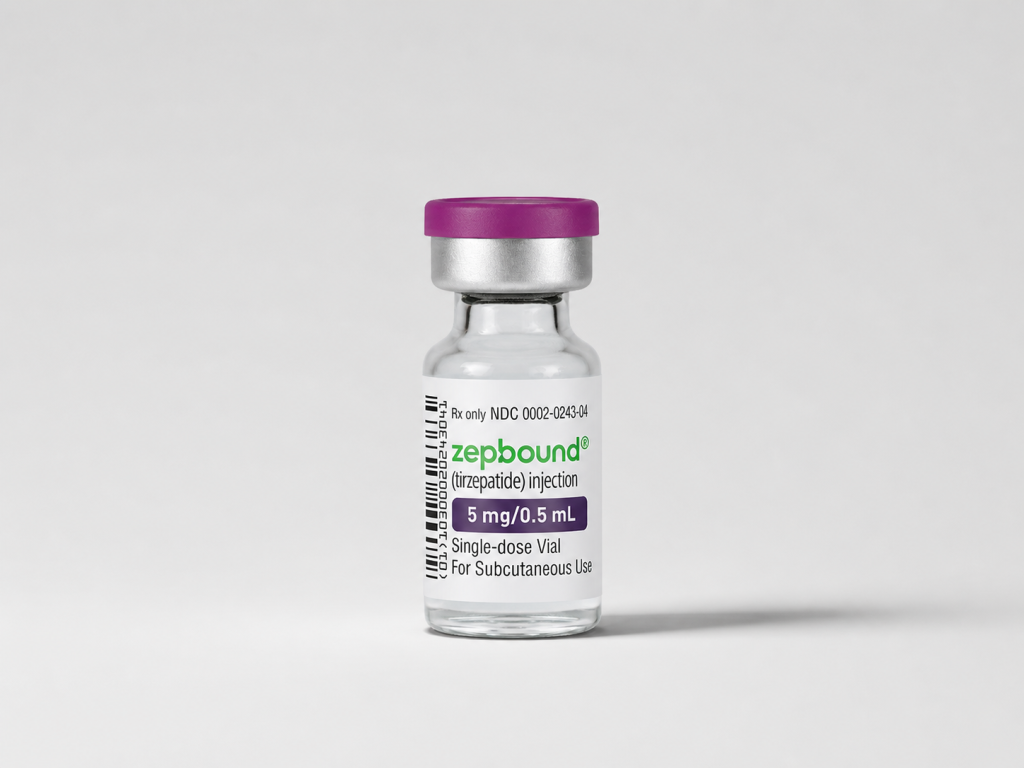
Zepbound®
Zepbound® is an FDA approved prescription weight loss medication that activates both GLP-1 and GIP pathways to help reduce appetite and support long-term weight management.
Important: Compounded testosterone preparations are not FDA approved. The FDA does not evaluate compounded products for safety, effectiveness, or quality. Not available in all 50 states. Prescription products require an online consultation with a healthcare provider who will determine if a prescription is appropriate.
Kyzatrex® is the registered trademark of Marius Pharmaceuticals, Inc. Alchemical Transformations Health Services, PC. is not affiliated with or endorsed by Marius Pharmaceuticals, Inc.
Pregnyl® is the registered trademark of Organon LLC. Alchemical Transformations Health Services, PC. is not affiliated with or endorsed by Organon LLC.
Go beyond what you feel
A single blood panel can show you more about your health than most people ever see.
Starting at $179
Get startedFrom intake to treatment in four steps.
No monthly subscriptions or hidden fees.
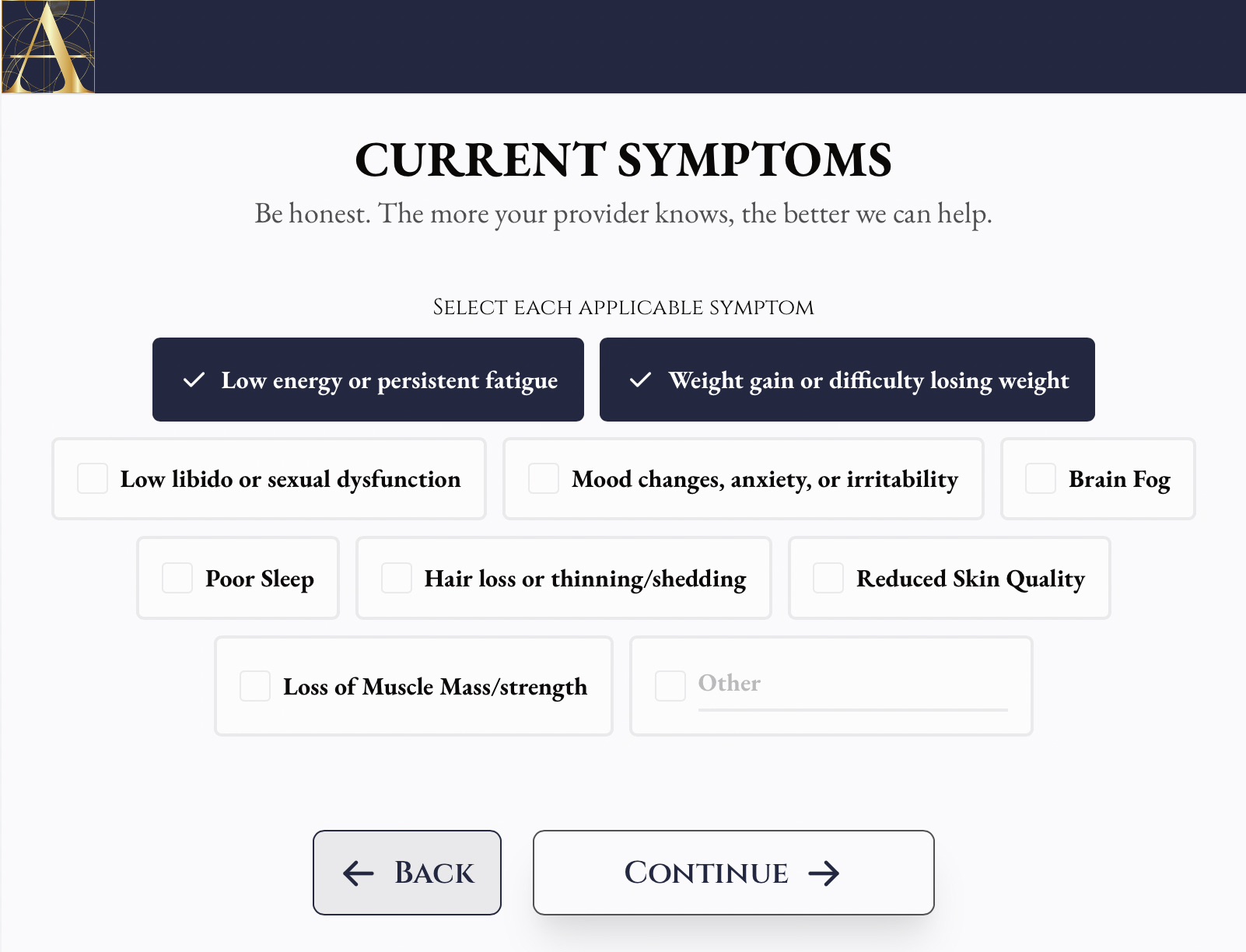
Online Assessment
Complete a brief intake covering your health history, current symptoms, and what you are looking to address.

Lab Testing
Select one of our blood work panels and complete your draw at a Quest location near you, or send us labs from the last 3 months. At-home draws are available for an added fee.

Provider Consultation
Meet with your licensed medical provider for a live video or phone consultation where they review your results, explain what they mean, and build your protocol with you.

Start Treatment
If treatment is clinically appropriate, your provider sends your prescription to NovoCare® Pharmacy and your Ozempic® pen ships directly to your home.
Learn More
Expert insights and educational resources
No blog posts selected. Please select posts in the element settings.
Ozempic® (Semaglutide) via NovoCare® Pharmacy FAQ
Can't find what you're looking for?

No sources added. Please add sources in the element settings.