Hormone Therapy for Women in Texas
Your symptoms matter as much as your blood work. We build your protocol around both.
Your doctor said you're fine. You know you're not.
Most women who end up here have already had the conversation with their doctor where everything came back “normal.” Normal TSH. Normal hormone levels. Normal labs across the board, yet something still feels off.
The problem is usually not the labs themselves, but how they are interpreted. Standard reference ranges are based on population averages, and a result can fall inside the range while still being far from optimal. A TSH of 4.0 may be technically normal, but for many women it comes with real symptoms. Female hormones add another layer of complexity. Estrogen, progesterone, and testosterone fluctuate across the cycle, so a single blood draw captures only one moment. That is why symptoms matter as much as the numbers. A provider who reads your labs without asking how you feel is working with half the picture.

Estrogen is not the only hormone a woman should care about, nor is it the only hormone we treat

THYROID
Your thyroid controls metabolic rate, energy, body temperature, weight, and menstrual regularity. Women are far more likely than men to develop thyroid dysfunction, and subclinical hypothyroidism is one of the most commonly missed diagnoses in women's health

TESTOSTERONE
Women produce testosterone at a fraction of the levels found in men, but it plays a meaningful role in energy, libido, cognitive sharpness, and muscle maintenance. Levels decline gradually with age, contributing to fatigue, reduced sexual desire, and difficulty maintaining lean body mass.

PROGESTERONE
Progesterone works in balance with estrogen to regulate your cycle, support sleep, and stabilize mood. It's often the first hormone to decline during perimenopause, and that imbalance, falling progesterone against relatively high estrogen, drives heavier periods, worsening PMS, and disrupted sleep women experience.
Hormone Based Treatments for Women
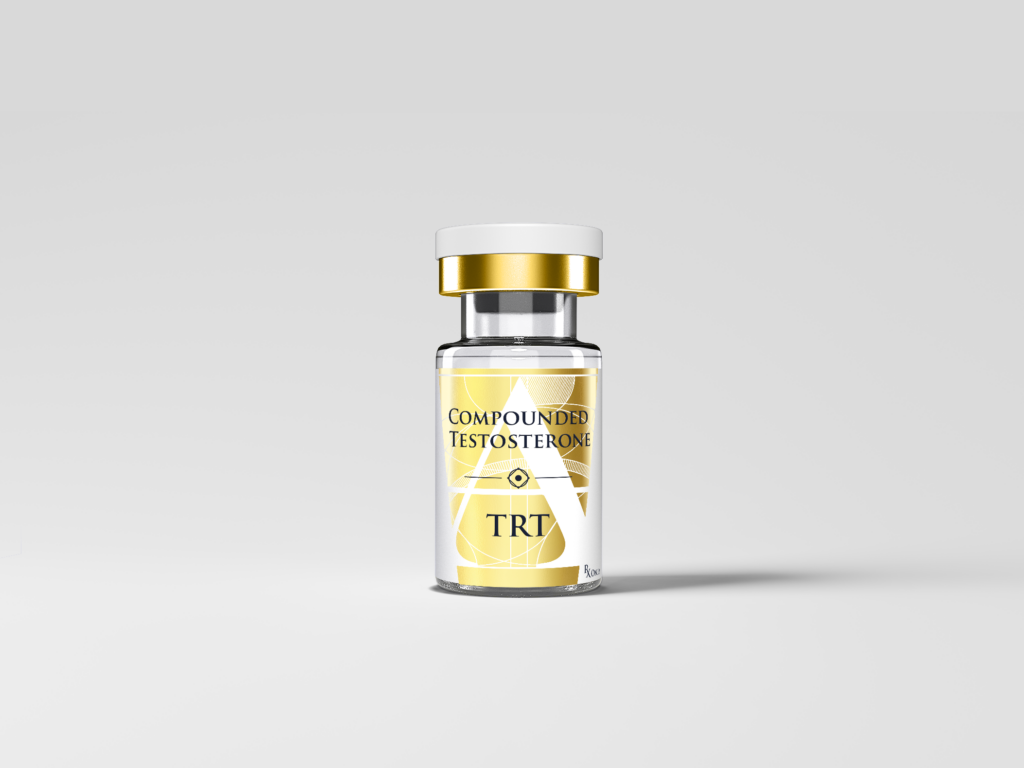
Compounded Testosterone Injection
A clinically monitored testosterone therapy option using scheduled injections as the route of administration.
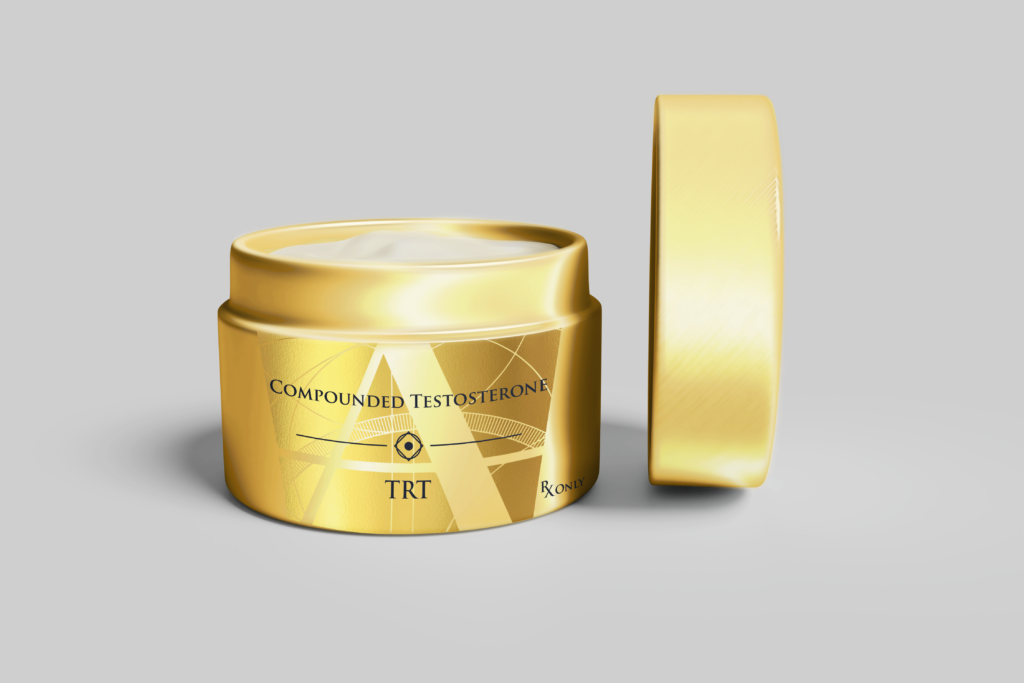
Compounded Transdermal Testosterone Cream
A clinically monitored testosterone therapy option using daily topical cream as the route of administration.

Sermorelin
A peptide that mimics growth hormone-releasing hormone (GHRH)
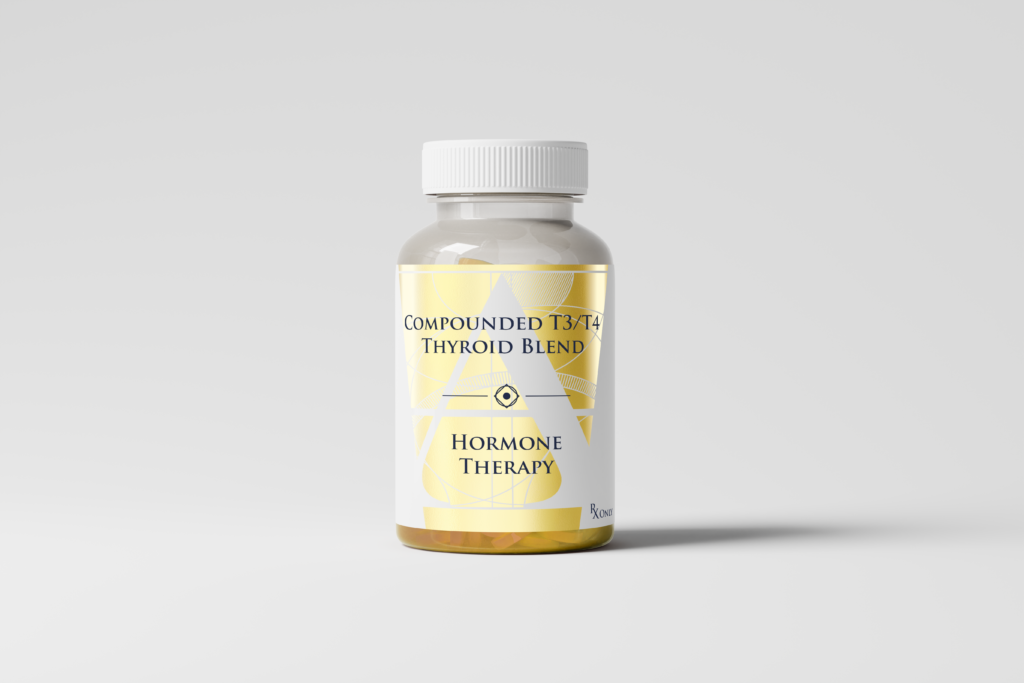
T3/T4 Thyroid Blend
A compounded thyroid capsule containing the thyroid hormones T4 and T3.
Important: Compounded preparations are not FDA approved. The FDA does not evaluate compounded products for safety, effectiveness, or quality. Not available in all 50 states. Prescription products require an online consultation with a healthcare provider who will determine if a prescription is appropriate.
Go beyond what you feel
A single blood panel can show you more about your health than most people ever see.
Starting at $179
Get startedFrom intake to treatment in four steps.
No monthly subscriptions or hidden fees.

Online Assessment
Complete a brief intake covering your health history, current symptoms, and what you are looking to address.
Lab Testing
Select one of our blood work panels and complete your draw at a Quest location near you, or send us labs from the last 6 months. At-home draws are available for an added fee.

Provider Consultation
Your licensed medical provider reviews your results, explains what they mean, and builds your treatment plan for you.

Start Treatment
If treatment is clinically appropriate, your provider prescribes through one of our licensed partner pharmacies and your medications ship directly to your home.
Learn More
Expert insights and educational resources
No blog posts selected. Please select posts in the element settings.
Female Hormonal Therapy FAQ
Can't find what you're looking for?

-
Hackett G, Kirby M, Wylie K, et al. "British Society for Sexual Medicine guidelines on the management of erectile dysfunction in men—2017." J Sex Med 2018;15(4):430-457.
https://pubmed.ncbi.nlm.nih.gov/29523408/ -
Burnett AL, Nehra A, Breau RH, et al. "Erectile Dysfunction: AUA Guideline." J Urol 2018;200(3):633-641.
https://www.auanet.org/guidelines-and-quality/guidelines/erectile-dysfunction -
Corona G, Rastrelli G, Morgentaler A, et al. "Meta-analysis of Results of Testosterone Therapy on Sexual Function Based on International Index of Erectile Function Scores." Eur Urol 2017;72(6):1000-1011.
https://pubmed.ncbi.nlm.nih.gov/28754505/ -
McCullough A, Barada J, Fawzy A, et al. "Achieving treatment optimization with sildenafil citrate (Viagra) in patients with erectile dysfunction." Urology 2002;60(2 Suppl 2):28-38.
https://pubmed.ncbi.nlm.nih.gov/12414331/ -
FDA. Bremelanotide (Vyleesi) approval. 2019.
https://www.fda.gov/drugs/drug-approvals-and-databases/drug-trial-snapshot-vyleesi