

Compounded Transdermal Testosterone Cream
Topical testosterone cream is one of several ways to administer testosterone replacement therapy. It may be an option for patients who prefer daily topical application instead of injections or dealing with needles.
*Prescription required. Results may vary. For additional information, see product information.
Applied topically as prescribed—typically to inner arm, thigh, or other site. Your provider will specify dose, application site, and frequency based on your labs and goals.
Topical testosterone therapy is a clinical treatment that requires medical supervision to mitigate risks, including the risk of testosterone transferring to other people through skin contact. Potential side effects are primarily managed through proper dosing, correct application practices, and regular blood work.
Known side effects can include increased red blood cell count, increased PSA, changes in mood, acne or oily skin, skin irritation at the application site, elevated blood pressure, fluid retention, worsening urinary symptoms in patients with an enlarged prostate, breast tenderness or enlargement, sleep apnea symptoms, and suppression of natural sperm production. Topical testosterone can also transfer to women or children through contact with unwashed or uncovered application sites, which may cause unwanted testosterone effects such as acne, changes in body hair, or signs of early puberty in children.
Regular monitoring of your testosterone levels, hematocrit, PSA, blood pressure, and other key markers is a mandatory part of our protocol to help manage risk. Patients using topical testosterone should wash their hands after application, allow the medication to dry, cover the application area with clothing, and wash the application site before skin-to-skin contact with another person.
You are encouraged to report negative side effects of prescription products:
- Contact FDA MedWatch at 1-800-FDA-1088 or visit www.fda.gov/medwatch
The statements on this page have not been evaluated by the Food and Drug Administration. This product is not intended to diagnose, treat, cure, or prevent any disease.
Important Safety Information
Important Safety Information — Compounded Topical Testosterone
What is this?
This Important Safety Information summarizes key warnings, precautions, contraindications, and possible side effects for compounded topical testosterone, a prescription medication used in certain patients when a licensed healthcare provider determines that testosterone therapy is medically appropriate.
This page does not include all possible information about compounded topical testosterone. Always follow your prescription label, pharmacy instructions, and the instructions provided by your ATHS healthcare provider.
Compounded topical testosterone is not FDA-approved. The FDA does not review compounded medications for safety, effectiveness, or quality before they are dispensed. Compounded medications may be prescribed when a licensed healthcare provider determines that a compounded preparation is medically appropriate for a specific patient.
Testosterone is a Schedule III controlled substance. Use only as prescribed. Do not share testosterone with anyone, even if they have similar symptoms.
Safety and effectiveness of testosterone therapy have not been established for men with age-related hypogonadism, sometimes referred to as late-onset hypogonadism. Your provider will determine whether testosterone therapy is medically appropriate based on your symptoms, medical history, physical risk factors, and laboratory results.
Who should not use compounded topical testosterone?
Do not use compounded topical testosterone if you have breast cancer or known or suspected prostate cancer.
Compounded topical testosterone should not be used by women who are pregnant. Testosterone may cause fetal harm. Pregnant women should avoid contact with skin where topical testosterone has been applied.
Tell your provider if you have or have had prostate problems, urinary symptoms, breast cancer, prostate cancer, heart disease, stroke, blood clots, liver disease, kidney disease, sleep apnea, high blood pressure, diabetes, swelling or fluid retention, high red blood cell count, high PSA, or fertility concerns.
Risk of secondary exposure to testosterone
Topical testosterone can transfer from the application site to other people through direct skin contact. Women and children should avoid contact with unwashed or uncovered skin where topical testosterone has been applied.
Secondary exposure to testosterone has been reported in children exposed to testosterone gel products. Signs may include enlargement of the penis or clitoris, early growth of pubic hair, increased erections or sexual behaviors, aggressive behavior, and advanced bone age.
Signs of testosterone exposure in women may include changes in body hair, acne, or other signs of androgen exposure. Contact a healthcare provider if a child or woman develops signs that may be related to accidental testosterone exposure.
To reduce the risk of transfer, wash your hands with soap and water immediately after applying compounded topical testosterone, allow the application site to dry, cover the application area with clothing, and wash the application site with soap and water before any anticipated skin-to-skin contact.
If another person touches unwashed or uncovered skin where compounded topical testosterone has been applied, the area of contact on that person should be washed with soap and water as soon as possible.
Application site and use precautions
Use compounded topical testosterone exactly as instructed by your prescription label, pharmacy instructions, and ATHS healthcare provider. Do not apply more medication than prescribed and do not change your dose or application schedule without medical direction.
Apply only to the application area directed by your prescription label, pharmacy instructions, or ATHS healthcare provider. Do not apply to broken, irritated, or damaged skin unless specifically instructed.
Wash your hands with soap and water after applying compounded topical testosterone. Allow the medication to dry before covering the application area with clothing.
Do not shower, swim, bathe, or wash the application site until the time period listed on your prescription label or pharmacy instructions has passed.
Some topical testosterone products may be flammable until dry. Avoid fire, flames, smoking, or other ignition sources until the medication has fully dried.
Prostate and urinary risks
Testosterone therapy may worsen signs and symptoms of benign prostatic hyperplasia, also known as BPH or enlarged prostate. Symptoms may include increased urination at night, trouble starting urination, frequent urination, urgent need to urinate, urinary accidents, inability to urinate, or weak urine flow.
Patients using testosterone may require evaluation for prostate cancer before and during treatment. Tell your provider if you develop new or worsening urinary symptoms, pelvic discomfort, blood in the urine, difficulty urinating, or other prostate-related concerns.
Increased red blood cell count
Compounded topical testosterone may increase red blood cell count, hemoglobin, or hematocrit. This condition is sometimes called polycythemia or erythrocytosis.
An increased red blood cell count may increase blood viscosity and may increase the risk of thromboembolic events. Your provider may check hematocrit before and during treatment and may adjust or stop therapy if hematocrit becomes elevated.
Blood clots
Blood clots, including deep vein thrombosis and pulmonary embolism, have been reported in patients using testosterone products.
Contact your provider promptly if you develop swelling, warmth, redness, or pain in one leg. Seek emergency medical care if you develop chest pain, sudden shortness of breath, coughing blood, fainting, or symptoms of stroke.
Cardiovascular risk
Some studies have reported an increased risk of major cardiovascular events, such as heart attack or stroke, in association with testosterone replacement therapy, while other studies have not. The cardiovascular risk of testosterone therapy remains an important consideration.
Tell your provider if you have a history of heart attack, stroke, heart disease, chest pain, high blood pressure, high cholesterol, blood clots, or other cardiovascular risk factors.
Blood pressure
Compounded topical testosterone may be associated with increased blood pressure in some patients. Blood pressure monitoring may be needed before and during treatment.
Tell your provider if you have high blood pressure or if you develop symptoms such as severe headache, chest pain, shortness of breath, dizziness, vision changes, or unusual swelling.
Sperm production and fertility
Testosterone therapy can suppress natural sperm production and may reduce fertility. Effects on sperm count may be significant and may not always be reversible.
Tell your provider before starting treatment if you are trying to conceive, plan to have children, or have concerns about fertility.
Fluid retention and swelling
Testosterone may cause the body to retain sodium and water. This can lead to swelling or edema and may be serious in patients with heart, kidney, or liver disease.
Contact your provider if you develop swelling of the ankles, feet, or body, rapid weight gain, shortness of breath, or worsening heart failure symptoms.
Sleep apnea
Testosterone therapy may worsen sleep apnea in some patients, especially those with risk factors such as obesity or chronic lung disease.
Tell your provider if you snore loudly, stop breathing during sleep, wake up gasping, have morning headaches, or experience excessive daytime sleepiness.
Breast symptoms
Gynecomastia, breast tenderness, or breast enlargement may occur with testosterone therapy and may persist in some patients.
Contact your provider if you develop breast pain, breast enlargement, nipple discharge, or a breast lump.
Skin and application site reactions
Compounded topical testosterone may cause skin irritation or application site reactions, including redness, itching, dryness, rash, burning, tingling, discoloration, or discomfort.
Other skin-related side effects associated with testosterone products may include acne, oily skin, hair loss, increased sweating, or changes in body hair.
Contact your provider if skin irritation is severe, persistent, spreading, painful, blistering, or concerning.
Mood, sleep, and nervous system effects
Testosterone products have been associated with mood changes, emotional changes, irritability, anger, aggression, anxiety, depression, nervousness, decreased libido, headache, dizziness, insomnia, and sleep apnea symptoms.
Contact your provider if you experience significant mood changes, worsening depression, unusual aggression, severe anxiety, insomnia, or any mental health symptoms that concern you.
Liver, lipid, calcium, thyroid, and laboratory changes
Testosterone therapy may be associated with changes in liver function tests, cholesterol or lipid levels, PSA, hemoglobin, hematocrit, testosterone levels, electrolyte levels, calcium levels, glucose tolerance, and thyroid-binding proteins.
Patients with cancer who are at risk for high calcium levels may require monitoring. Your provider may order blood work to monitor safety markers during treatment.
Possible side effects
Possible side effects associated with testosterone therapy include increased PSA, increased red blood cell count, elevated hemoglobin or hematocrit, high blood pressure, mood swings, emotional changes, acne, oily skin, application site irritation, itching, rash, skin dryness, hair loss, headache, dizziness, insomnia, sleep apnea symptoms, nausea, fluid retention, ankle swelling, breast tenderness or enlargement, changes in libido, frequent or prolonged erections, testicular changes, reduced sperm count, changes in urination, worsening BPH symptoms, cholesterol changes, abnormal liver function tests, and weight changes.
Serious risks associated with testosterone products may include blood clots, pulmonary embolism, heart attack, stroke, worsening heart failure, severe mood or psychiatric effects with misuse or abuse, and accidental testosterone exposure to women or children.
Drug interactions
Tell your provider about all medications you take, including prescription medications, over-the-counter medications, vitamins, and supplements.
Testosterone may affect blood sugar control. Patients using insulin or other diabetes medications may require closer monitoring because androgens may decrease blood glucose and may affect insulin requirements.
Testosterone may affect anticoagulant activity. Patients taking blood thinners may require closer monitoring of INR or prothrombin time, especially when starting or stopping testosterone therapy.
Using testosterone with ACTH or corticosteroids may increase fluid retention. This may be more concerning in patients with heart, kidney, or liver disease.
Pregnancy
Compounded topical testosterone should not be used during pregnancy. Testosterone may cause fetal harm.
Pregnant women should avoid contact with skin where compounded topical testosterone has been applied. If accidental exposure occurs, wash the exposed area with soap and water as soon as possible and contact a healthcare provider.
Breastfeeding
Compounded topical testosterone is not intended for use in women. Tell your provider if you are breastfeeding, planning to breastfeed, or if accidental exposure occurs during breastfeeding.
Use in pediatric or geriatric patients
The safety and effectiveness of testosterone gel products have not been established in males younger than 18 years old. Improper use of testosterone may affect bone growth in children.
Older patients treated with testosterone may be at increased risk for worsening BPH symptoms. There may also be insufficient long-term safety data in older patients to fully assess risks related to cardiovascular disease and prostate cancer.
Misuse, abuse, and dependence
Testosterone is a Schedule III controlled substance. Misuse or abuse of testosterone, especially at doses higher than prescribed or in combination with anabolic androgenic steroids, may cause serious cardiovascular, liver, hormonal, fertility, and psychiatric adverse effects.
Use compounded topical testosterone only as prescribed. Do not use more than directed, do not share it with anyone, and store it securely to prevent misuse or accidental exposure.
Monitoring during treatment
Regular monitoring is an important part of testosterone therapy. Your provider may monitor testosterone levels, hematocrit, hemoglobin, PSA, blood pressure, liver function tests, lipid levels, and other markers based on your medical history and treatment plan.
Failure to complete recommended monitoring may increase the risk of untreated side effects or unsafe dosing.
Missed Dose
If you miss a dose, follow the instructions on your prescription label or contact your healthcare provider or pharmacy.
Do not use extra compounded topical testosterone to make up for a missed dose. Do not change your dosing schedule without medical direction.
Overdose
Using too much compounded topical testosterone may increase the risk of side effects, including elevated testosterone levels, increased red blood cell count, blood pressure changes, mood changes, skin reactions, fluid retention, prostate-related symptoms, or other adverse effects.
If too much medication is applied, follow your pharmacy instructions and contact your healthcare provider or pharmacist. Washing the application site with soap and water may be recommended depending on the timing and circumstances.
In case of overdose or accidental exposure, seek medical attention immediately or contact Poison Control at 1-800-222-1222.
Storage
Follow the storage instructions provided by your pharmacy.
Unless your prescription label or pharmacy instructions state otherwise, store medication at controlled room temperature, generally 20°C to 25°C / 68°F to 77°F, away from excessive heat, moisture, and direct light.
In general:
- Store medication at the temperature listed on the prescription label.
- Keep away from excessive heat, moisture, and direct light.
- Keep out of reach of children and pets.
- Store securely because testosterone is a controlled substance.
- Do not use medication that appears contaminated, discolored, damaged, separated, leaking, crystallized, or otherwise unusual.
- Keep topical testosterone away from fire, flames, smoking, or other ignition sources until the medication has fully dried.
Medication Disposal
Do not flush unused medication down the toilet or pour it into a sink or drain unless specifically instructed.
Preferred disposal method:
- Follow local disposal guidance or ask your pharmacist for instructions.
Dispose of used or empty containers in a way that helps prevent accidental exposure or ingestion by children or pets.
When to contact your provider
Contact your provider if you experience worsening urinary symptoms, increased nighttime urination, difficulty urinating, breast tenderness or enlargement, swelling of the ankles or feet, rapid weight gain, shortness of breath, sleep apnea symptoms, significant mood changes, acne or skin irritation that bothers you, application site reactions, frequent or prolonged erections, fertility concerns, symptoms of high blood pressure, or any side effect that feels unusual or concerning.
Contact your provider promptly if a child or woman develops signs of testosterone exposure after possible contact with your application site, clothing, towels, bedding, or other items that may have been exposed to topical testosterone.
Seek emergency medical care
Seek emergency medical care if you experience chest pain, sudden shortness of breath, symptoms of stroke, swelling or pain in one leg, sudden vision changes, fainting, severe allergic reaction, or a prolonged erection lasting more than four hours.
Reporting Side Effects
Tell your healthcare provider if you experience side effects or symptoms that concern you.
You may report suspected adverse reactions or product quality concerns to the FDA through MedWatch at 1-800-FDA-1088 or www.fda.gov/medwatch.
Telemedicine Disclosure
This prescription may be issued through telemedicine after review by a licensed healthcare provider. If you experience concerning symptoms, contact your ATHS provider or seek emergency medical care.
Withholding or providing inaccurate information about your symptoms, medical history, medications, substance use, allergies, prior reactions, lab results, prostate history, cardiovascular history, blood pressure, fertility goals, or possible exposure of others to topical testosterone may result in serious harm.
Disclaimer
This information is not comprehensive and does not include all possible risks, side effects, interactions, warnings, or precautions associated with compounded topical testosterone. This page does not provide medical advice, diagnosis, or treatment.
Compounded topical testosterone is prescribed only when a licensed healthcare provider determines that it is medically appropriate. Compounded medications are not FDA-approved and are not reviewed by the FDA for safety, effectiveness, or quality before dispensing.
For questions about your medication, prescription, dosing, side effects, or treatment plan, contact your healthcare provider or pharmacist.
Why Choose Testosterone with ATHS?
Because effective treatment should be accessible from home and backed by real clinical oversight.
- No mandatory subscription plans
- Dispensed by a licensed U.S. pharmacy
- HSA / FSA eligible

Testosterone Treatments for Women
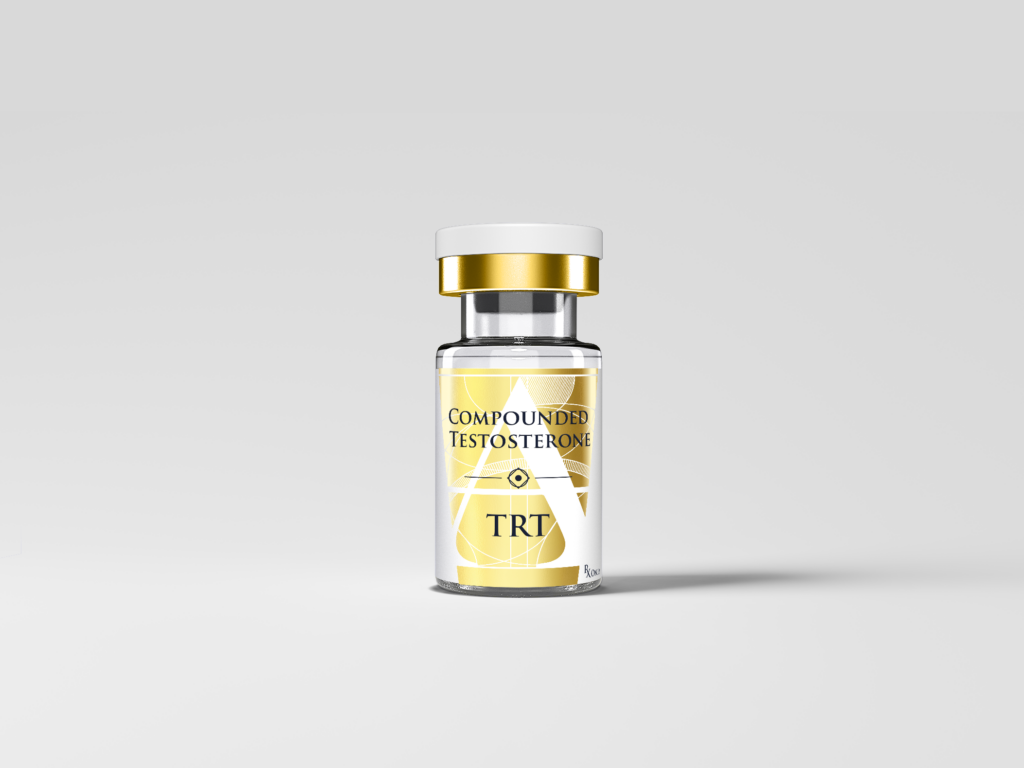
Compounded Testosterone Injection
A clinically monitored testosterone therapy option using scheduled injections as the route of administration.

Compounded Transdermal Testosterone Cream
A clinically monitored testosterone therapy option using daily topical cream as the route of administration.

Sermorelin
A peptide that mimics growth hormone-releasing hormone (GHRH)

T3/T4 Thyroid Blend
A compounded thyroid capsule containing the thyroid hormones T4 and T3.
Important: Compounded testosterone preparations are not FDA approved. The FDA does not evaluate compounded products for safety, effectiveness, or quality. Not available in all 50 states. Prescription products require an online consultation with a healthcare provider who will determine if a prescription is appropriate.
Go beyond what you feel
A single blood panel can show you more about your health than most people ever see.
Starting at $179
Get startedFrom intake to treatment in four steps.
No monthly subscriptions or hidden fees.

Online Assessment
Complete a brief intake covering your health history, current symptoms, and what you're looking to address. It takes about 10 minutes.
Lab Testing
Select one of our blood work panels and complete your draw at a Quest location near you, or send us labs from the last 6 months. At-home draws are available for an added fee.

Provider Consultation
Your licensed medical provider reviews your results, explains what they mean, and builds your treatment plan for you.

Start Treatment
If treatment is clinically appropriate, your provider prescribes through one of our licensed partner pharmacies and your medications ship directly to your home.
Learn More
Expert insights and educational resources
No blog posts selected. Please select posts in the element settings.
Transdermal Testosterone FAQ
Can't find what you're looking for?
