
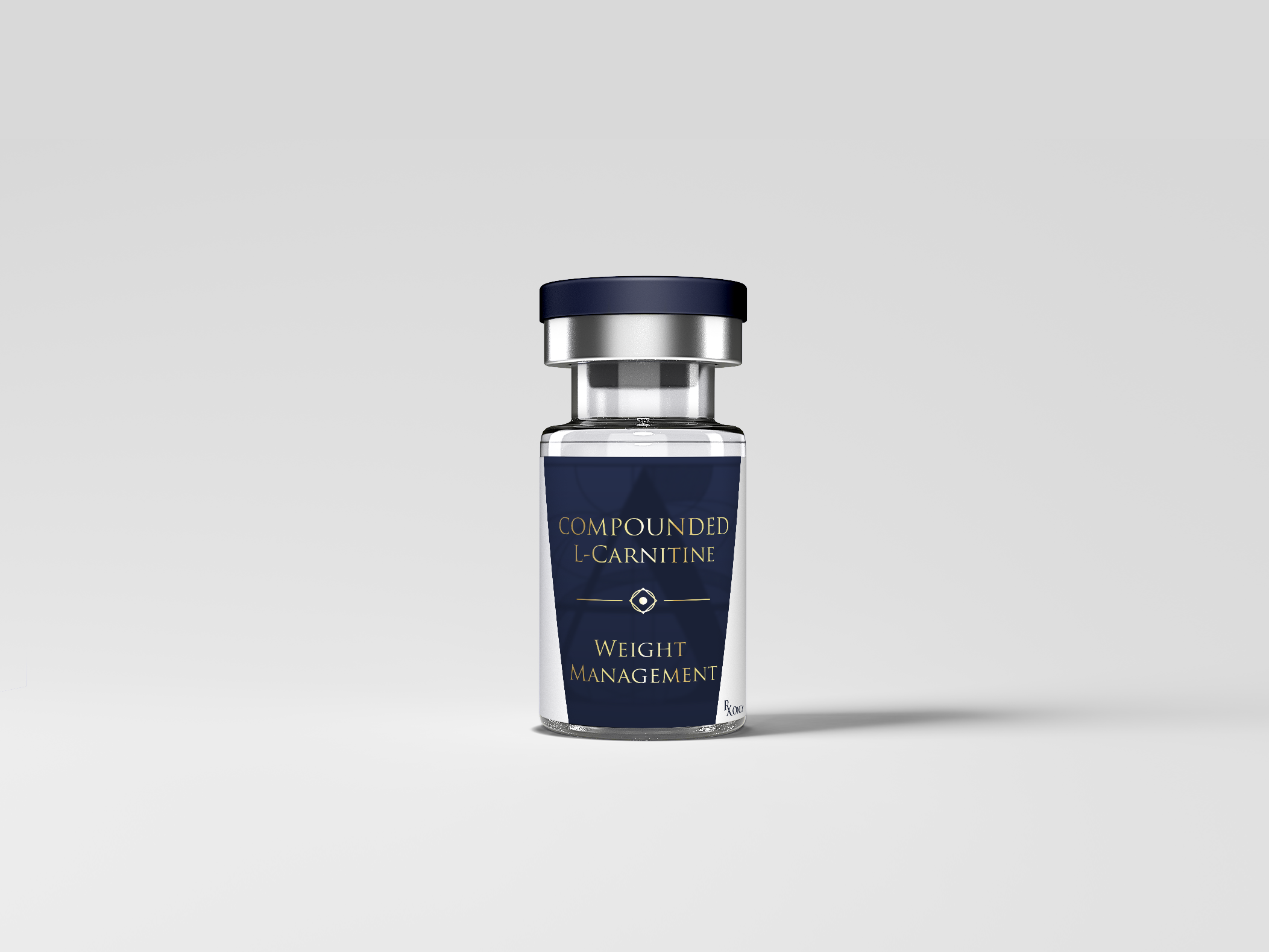
Compounded L-Carnitine Injection
An intramuscular injection containing L-carnitine, a naturally occurring amino acid derivative involved in the transport of long-chain fatty acids into mitochondria as part of cellular metabolism.
Compounded medications are not FDA-approved and have not been evaluated by the FDA for safety, effectiveness, or quality prior to dispensing
Administered by intramuscular (IM) injection, typically in the deltoid or gluteal muscle. Your physician will determine the appropriate dose, concentration, and frequency based on your clinical evaluation.
L-carnitine injections may cause side effects. Reported side effects with levocarnitine include nausea, vomiting, diarrhea, stomach discomfort, gastritis, body odor, headache, dizziness, and injection site reactions.
Serious allergic reactions have been reported with levocarnitine, including anaphylaxis, laryngeal edema, and bronchospasm. Seek emergency medical care if you experience trouble breathing, swelling of the face or throat, severe rash, chest tightness, or sudden severe symptoms after use.
Seizures have also been reported in patients receiving oral or intravenous levocarnitine, including patients with and without a history of seizures. In patients with pre-existing seizure activity, increased seizure frequency or severity has been reported.
Tell your healthcare provider if you experience side effects that are severe, persistent, or concerning.
You are encouraged to report negative side effects of prescription products:
- Contact FDA MedWatch at 1-800-FDA-1088 or visit www.fda.gov/medwatch
The statements on this page have not been evaluated by the Food and Drug Administration. This product is not intended to diagnose, treat, cure, or prevent any disease.
Important Safety Information
Important Safety Information — Compounded Levocarnitine for Injection (Intramuscular)
What is this?
This Important Safety Information summarizes key warnings, precautions, contraindications, and possible side effects for compounded levocarnitine, a prescription medication used in certain patients when a licensed healthcare provider determines that levocarnitine therapy is medically appropriate.
This page does not include all possible information about compounded levocarnitine. Always follow your prescription label, pharmacy instructions, and the instructions provided by your ATHS healthcare provider.
Compounded levocarnitine is not FDA-approved. The FDA does not review compounded medications for safety, effectiveness, or quality before they are dispensed. Compounded medications may be prescribed when a licensed healthcare provider determines that a compounded preparation is medically appropriate for a specific patient.
Important Warnings and Precautions
- Risk of severe allergic reaction. Serious hypersensitivity reactions, including anaphylaxis, laryngeal edema (swelling of the airway), and bronchospasm, have been reported with parenteral levocarnitine. Some reactions have occurred within minutes of administration. Anaphylaxis can be life-threatening and requires immediate emergency care.
- Risk of seizures. Seizures have been reported during postmarketing use of levocarnitine in patients with and without a prior history of seizure activity. In patients with a prior seizure history, an increase in seizure frequency or severity has been reported. Tell your provider if you have any history of seizures, epilepsy, or seizure-like episodes before starting treatment.
- Injection site reactions and infection risk. Pain, redness, swelling, bruising, or hardening at the injection site can occur, and injection site reactions are among the most commonly reported events with parenteral levocarnitine. Self-administered injection carries a risk of infection if sterile technique is not followed. Symptoms of injection site infection include increasing pain, warmth, redness expanding outward, drainage, or fever.
- Off-label clinical use. Use of compounded levocarnitine for weight loss or metabolic support has not been evaluated or approved by the FDA. The decision to prescribe in this context is based on your provider's clinical judgment.
Stop the injection and seek emergency care immediately if you develop signs of a severe allergic reaction during or after administration, including difficulty breathing, throat tightness, swelling of the face, lips, tongue, or throat, widespread hives, severe dizziness, rapid heartbeat, or loss of consciousness. Call 911 or go to the nearest emergency department.
Who should not use compounded levocarnitine for injection?
- Patients with a known hypersensitivity or allergy to levocarnitine, to D-carnitine, or to any excipient or preservative used in the compounded preparation.
- Patients with a documented history of severe allergic reaction (anaphylaxis) to any injectable medication.
- Patients who are pregnant, planning pregnancy, or breastfeeding.
- Patients under 18 years of age. ATHS does not prescribe compounded levocarnitine for injection to minors.
Before using compounded levocarnitine for injection, tell your provider if you:
- Have a history of seizures, epilepsy, or any seizure-like episodes.
- Have kidney disease, reduced kidney function, or are receiving dialysis. Patients with severely reduced renal function may accumulate certain levocarnitine metabolites (trimethylamine and trimethylamine-N-oxide) over time with chronic high-dose use.
- Have a history of liver disease or abnormal liver function.
- Have a history of hypothyroidism or take thyroid hormone medication.
- Have a bleeding disorder, take blood-thinning medications, or are scheduled for a procedure where bleeding may be a concern.
- Have a heart condition, abnormal heart rhythm, or a history of high or low blood pressure.
- Are pregnant, planning pregnancy, or breastfeeding.
- Have ever fainted with injections or have a fear of needles that affects your ability to inject safely.
Tell your provider about all prescription medications, over-the-counter products, supplements, and herbal preparations you take, and about any recent medical procedures.
Compounded Formulation and Allergy Information
Compounded levocarnitine for injection is typically supplied as a sterile aqueous solution. The vehicle is usually sterile water for injection or a sodium chloride solution. The pH may be adjusted using hydrochloric acid or sodium hydroxide. Some preparations may contain preservatives (such as benzyl alcohol) to permit multi-dose vial use. Formulations vary by dispensing pharmacy.
Tell your provider and dispensing pharmacy about any allergies to preservatives, sulfites, latex, or other excipients used in injectable preparations. If you are pregnant, breastfeeding, or planning pregnancy, tell your provider so a preservative-free preparation can be considered if appropriate. The full ingredient list for your specific prescription will be provided by the dispensing pharmacy.
Drug Interactions
- Warfarin (Coumadin, Jantoven) and other anticoagulants. Increases in INR have been reported in patients taking warfarin who also receive levocarnitine. INR levels should be monitored after initiation of levocarnitine and after any dose adjustment. Tell your provider if you are taking warfarin or any other blood-thinning medication.
- Thyroid hormone replacement. Levocarnitine has been reported in some clinical literature to interact with thyroid hormone activity. If you take levothyroxine or another thyroid medication, tell your provider so that thyroid function can be monitored as appropriate.
- Other parenteral therapies. Concurrent use of multiple injectable therapies may compound injection-related risk and may complicate identification of the cause of any reaction. Coordinate timing and dosing with your provider.
Provide your provider and dispensing pharmacy with a complete list of medications and supplements before starting treatment, and inform them of any new medications you start during treatment.
Monitoring During Treatment
Your provider may recommend periodic blood tests during treatment with compounded levocarnitine for injection. The scope and frequency of monitoring will be determined by your provider based on your medical history, the duration of treatment, and any symptoms reported. For patients on warfarin, INR monitoring is recommended after starting levocarnitine and after any dose adjustment. For patients with kidney disease or a history of liver disease, additional monitoring may be appropriate.
Do not skip recommended laboratory testing. Some adverse effects may not produce noticeable symptoms in their early stages and can be detected through bloodwork.
Common Side Effects
The following adverse reactions have been reported in patients receiving parenteral levocarnitine. Adverse-event rates may vary depending on dose, route, and individual patient factors.
- Injection site reactions. Pain, soreness, redness, swelling, or bruising at the injection site, particularly during the first injections or with technique errors. Injection site reactions are among the most commonly reported events.
- Gastrointestinal symptoms. Transient nausea and vomiting are among the most commonly reported reactions. Diarrhea, abdominal pain, dyspepsia, and reduced appetite have also been reported.
- Body odor and altered taste. A fishy body odor and an altered or unpleasant taste in the mouth have been reported. These are related to the metabolism of levocarnitine and are typically transient.
- Headache. Headache has been reported in approximately one in five patients in clinical trials.
- Dizziness. Dizziness has been reported, particularly during or shortly after administration.
- Cardiovascular effects. Hypertension, hypotension, palpitations, and rapid heart rate have been reported in clinical trials. Tell your provider if you experience chest pain, irregular heartbeat, or significant changes in blood pressure during treatment.
- Skin reactions. Rash and itching have been reported. Widespread or spreading skin reactions warrant prompt provider contact.
- Fatigue, weakness, or muscle symptoms. Asthenia (general weakness), muscle pain, and leg cramps have been reported.
Report any reaction to your provider so it can be documented and reviewed. Severe, persistent, or worsening reactions warrant prompt provider contact.
Hypersensitivity and Anaphylaxis Warning
Serious hypersensitivity reactions, including anaphylaxis, laryngeal edema (swelling of the airway), and bronchospasm, have been reported with parenteral levocarnitine. Some reactions have occurred within minutes of administration. Anaphylaxis is a life-threatening reaction.
Signs of anaphylaxis include the following symptoms occurring during or shortly after injection:
- Difficulty breathing, wheezing, or throat tightness
- Swelling of the face, lips, tongue, or throat
- Widespread hives or severe itching
- Sudden severe dizziness, fainting, or loss of consciousness
- Rapid heartbeat or sudden drop in blood pressure
- Severe nausea or vomiting
If you develop any of these symptoms, call 911 or go to the nearest emergency department immediately. Do not attempt to drive yourself. If you have an epinephrine auto-injector for prior allergic conditions, use it as directed by your provider while seeking emergency care. If you experience a severe hypersensitivity reaction, the medication should be discontinued and your provider should be notified before any consideration of resuming treatment.
Seizure Warning
Seizures have been reported during postmarketing use of levocarnitine, including in patients with no prior history of seizures. In patients with a prior history of seizures, increases in seizure frequency or severity have been reported.
Tell your provider before starting treatment if you have any history of seizures, epilepsy, head injury with loss of consciousness, or any seizure-like episodes (including unexplained brief loss of awareness, staring spells, or convulsive movements). If you experience a seizure during treatment with compounded levocarnitine, stop the medication and contact your provider promptly. Seek emergency care for a first-ever seizure, for a seizure lasting more than five minutes, for repeated seizures without recovery between them, or for any seizure with serious injury.
Pregnancy, Breastfeeding, and Use in Women
Compounded levocarnitine for injection should not be used during pregnancy or while breastfeeding. The safety of compounded levocarnitine has not been established in pregnant or nursing women.
If you are pregnant, planning pregnancy, or breastfeeding, do not start treatment. If you become pregnant while using compounded levocarnitine, stop the medication and contact your provider.
Pediatric Use
Safety and effectiveness of compounded levocarnitine for injection for the indication described in this document have not been established in patients under 18 years of age.
ATHS does not prescribe compounded levocarnitine for injection to patients under 18 years of age.
Patients with Liver or Kidney Impairment
Chronic high-dose oral levocarnitine in patients with severely compromised renal function or end-stage renal disease on dialysis may result in accumulation of trimethylamine (TMA) and trimethylamine-N-oxide (TMAO), metabolites that are normally excreted in the urine. Although this concern is described primarily for chronic oral administration, patients with significantly reduced renal function should disclose this to their provider so that monitoring can be tailored to their renal status.
Patients with a history of liver disease should disclose this to their provider before starting treatment, and additional laboratory monitoring may be appropriate.
Administration
- Compounded levocarnitine prescribed by ATHS is administered by intramuscular (IM) injection only. Do not administer the medication intravenously, subcutaneously, or by any other route unless specifically directed by your provider.
- Use only the syringes, needles, and supplies provided or specified by your provider.
- Wash your hands thoroughly before preparing the injection. Clean the top of the vial with an alcohol pad before drawing up the medication. Clean the injection site with a fresh alcohol pad and allow it to dry before injecting.
- Rotate injection sites between approved IM locations (typically the upper outer thigh, the deltoid muscle of the upper arm, or the upper outer quadrant of the buttock) to reduce the risk of tissue irritation.
- Inject only the dose and at the frequency directed by your provider. Do not increase the dose or frequency without provider direction.
- Inspect the medication visually before each injection. Do not use the medication if it appears discolored, cloudy, or contains visible particles.
- Do not share needles, syringes, or vials with anyone, including household members.
- If you have any uncertainty about technique, contact your provider before administering. Improper technique increases the risk of infection, nerve injury, and ineffective dosing.
Missed Dose
If you miss a scheduled dose, take it when you remember unless it is close to the time of your next scheduled dose. Do not double the dose to make up for a missed injection. Resume your normal schedule and contact your provider if you have questions or have missed multiple doses.
Overdose
No reports of toxicity from levocarnitine overdose have been documented in the published literature. Large doses may cause diarrhea. Levocarnitine is removed from plasma by dialysis.
If you suspect that you or someone else has received too much compounded levocarnitine, or if a vial has been ingested or accidentally injected by someone other than the prescribed patient, contact Poison Control at 1-800-222-1222 or proceed to the nearest emergency department. If the affected person is unconscious, having difficulty breathing, or showing signs of a severe reaction, call 911 immediately.
While Using Compounded Levocarnitine for Injection
Contact your provider promptly if you develop any of the following during treatment:
- Persistent or worsening injection site pain, redness, swelling, warmth, or drainage that may indicate infection
- Persistent nausea, vomiting, diarrhea, or abdominal pain
- New or worsening headache, dizziness, or fatigue
- Chest pain, irregular heartbeat, palpitations, or significant changes in blood pressure
- New skin rash, hives, or itching that develops after injections
- Fever, chills, or systemic symptoms suggesting infection
- Any seizure-like episode, including loss of awareness, staring spells, or convulsive movements
- Any new or worsening symptom you suspect may be related to the medication
Call 911 or seek emergency care for difficulty breathing, throat or facial swelling, severe widespread rash, sudden severe dizziness or loss of consciousness, a seizure, severe chest pain, or any other symptom suggesting a severe allergic reaction or serious adverse event.
Storage
Store compounded levocarnitine for injection as directed by the dispensing pharmacy. Storage requirements vary depending on formulation and preservative content. Some compounded preparations are stored at controlled room temperature, while others may require refrigeration.
Do not freeze the medication. Do not use the medication if it appears discolored, cloudy, or contains visible particles. Discard the product on or before the beyond-use date provided by the dispensing pharmacy. If your prescription is supplied as a single-dose, preservative-free vial, any unused portion should be discarded after opening; multi-dose preparations may be stored differently. Follow the labeling instructions provided by the dispensing pharmacy. Keep all medications and sharps out of the reach of children and pets.
Medication Disposal
- Place all used needles, syringes, and any other sharps in an FDA-cleared sharps disposal container immediately after use. Do not place sharps in regular household trash or recycling.
- When the sharps container is full, follow your local regulations for disposal. Many areas have community sharps take-back programs or designated drop-off sites.
- Do not flush unused medication or pour it down a drain.
- For unused vials, follow the disposal guidance provided by the dispensing pharmacy or use a community drug take-back program.
- Ask the dispensing pharmacy if you have questions about disposal.
Reporting Side Effects
Report side effects you experience to your ATHS provider so they can be documented in your record and managed appropriately. You may also report serious adverse events to FDA MedWatch by calling 1-800-FDA-1088 or by visiting https://www.fda.gov/medwatch.
Telemedicine Disclosure
Your prescription for compounded levocarnitine for injection may be issued through telemedicine after review of your information by a licensed healthcare provider. Telemedicine evaluation depends on the accuracy and completeness of the information you provide. Withholding relevant medical history, prior allergic reactions, current medications, seizure history, hepatic or renal conditions, or recent procedures may result in serious harm.
Contact your ATHS provider for any concerns about your treatment. Seek in-person evaluation or emergency care for any reaction or symptom that requires prompt assessment.
Disclaimer
This document is not a comprehensive list of all risks, side effects, or precautions associated with compounded levocarnitine for injection. It does not replace the clinical judgment of your provider or the labeling provided by the dispensing pharmacy. It is provided for informational purposes and does not constitute medical advice. Direct any questions about your prescription, your medical condition, or any reaction you are experiencing to your provider or the dispensing pharmacy.
Why Injectable L-Carnitine with ATHS?
Because effective treatment should be accessible from home and backed by real clinical oversight.

What's Included
Weight Loss Treatments for Men

Foundayo™
A once-daily oral GLP-1 tablet, FDA-approved for chronic weight management in adults with obesity or overweight with weight-related medical conditions.
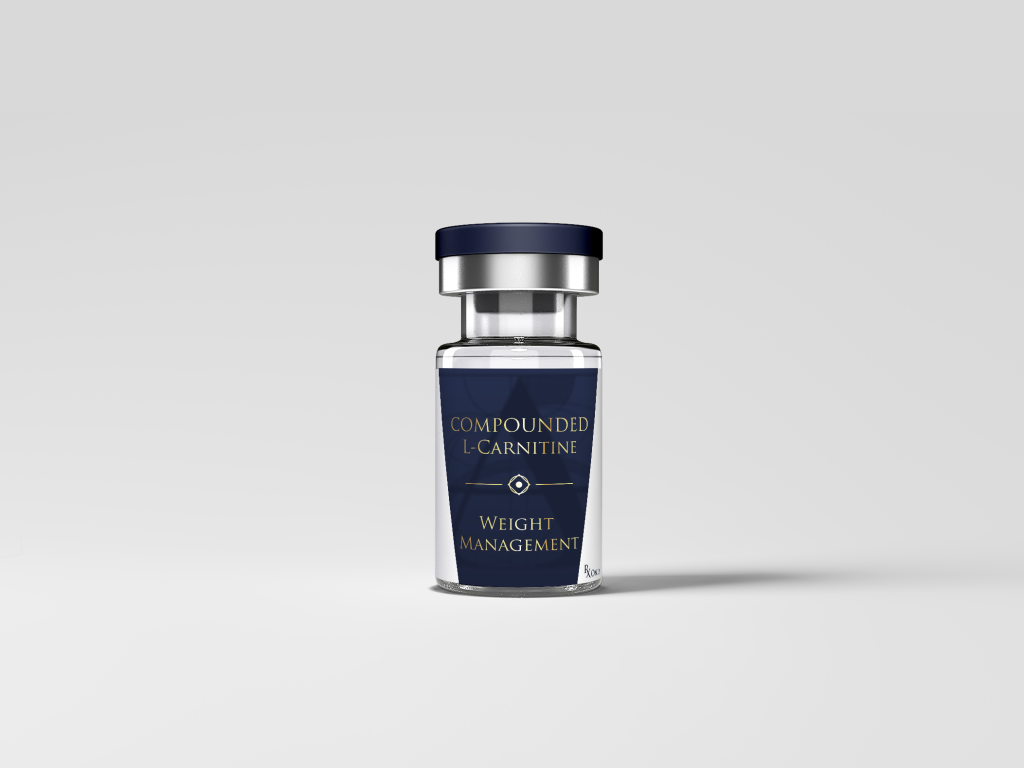
L-Carnitine Injections
A compounded injectable form of L-carnitine

Metformin (Generic)
An oral medication that improves how the body processes insulin and manages blood sugar.

Oral Wegovy® (Semaglutide)
FDA-approved oral semaglutide for chronic weight management.

Ozempic® (Semaglutide)
FDA-approved semaglutide for chronic weight management.

Wegovy® (Semaglutide)
Wegovy® is an FDA approved prescription weight loss medication that helps reduce appetite and support long-term weight management.
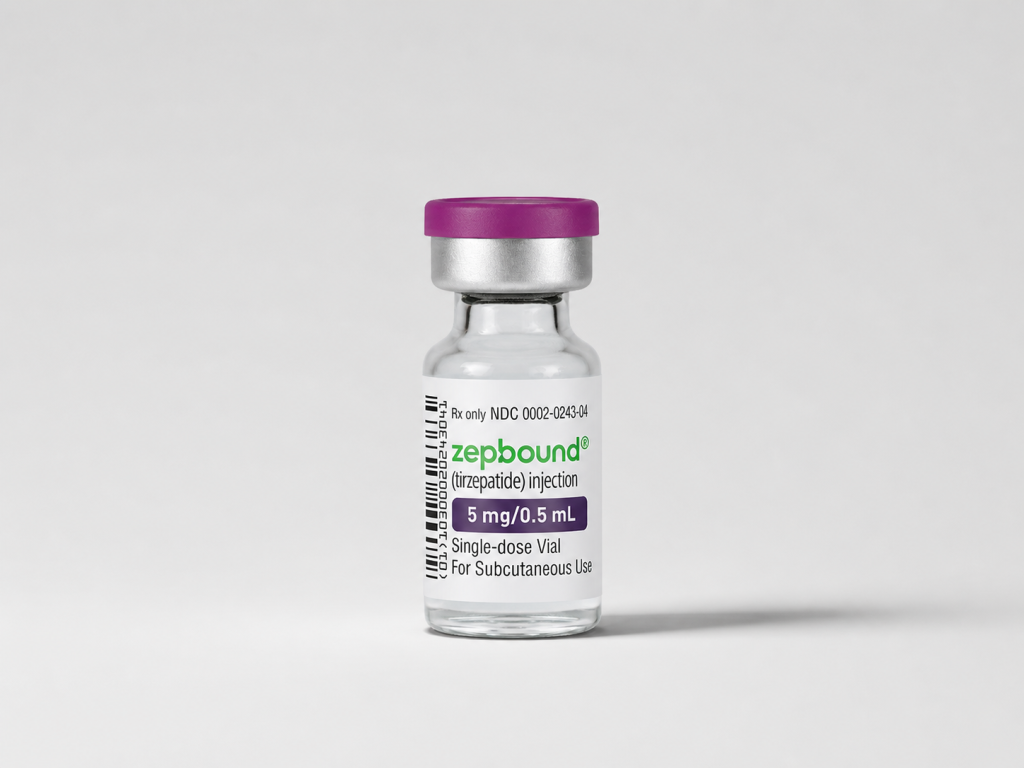
Zepbound® (Tirzepatide)
Zepbound® is an FDA approved prescription weight loss medication that activates both GLP-1 and GIP pathways to help reduce appetite and support long-term weight management.
Important: Compounded testosterone preparations are not FDA approved. The FDA does not evaluate compounded products for safety, effectiveness, or quality. Not available in all 50 states. Prescription products require an online consultation with a healthcare provider who will determine if a prescription is appropriate.
Zepbound® and Foundayo™ are trademarks of Eli Lilly and Company. Alchemical Transformations Health Services, P.C. is not affiliated with or endorsed by Eli Lilly and Company.
Wegovy® and Ozempic® are registered trademarks of Novo Nordisk A/S. Alchemical Transformations Health Services, P.C. is not affiliated with or endorsed by Novo Nordisk.
Go beyond what you feel
A single blood panel can show you more about your health than most people ever see.
Starting at $179
Get startedFrom intake to treatment in four steps.
No monthly subscriptions or hidden fees.

Online Assessment
Complete a brief intake covering your health history, current symptoms, and what you are looking to address.

Lab Testing
Select one of our blood work panels and complete your draw at a Quest location near you, or send us labs from the last 3 months. At-home draws are available for an added fee.

Provider Consultation
Your licensed medical provider reviews your results, explains what they mean, and builds your treatment plan for you.

Start Treatment
If treatment is clinically appropriate, your provider prescribes through one of our licensed partner pharmacies and your medications ship directly to your home.
Learn More
Expert insights and educational resources
No blog posts selected. Please select posts in the element settings.