

Compounded Combination T3/T4
The thyroid gland produces hormones that help regulate metabolism, energy, body temperature, and heart rate. When levels are low, treatment is used to replace what the body isn't producing. Levothyroxine (T4) is the standard therapy, but a physician may prescribe a combination of T4 and liothyronine (T3) based on the patient's history and response. This compounded capsule provides both in a single formulation.
Compounded medications are not FDA-approved and have not been evaluated by the FDA for safety, effectiveness, or quality prior to dispensing
Taken by mouth, typically once daily on an empty stomach. Your physician will determine the dose and ratio based on your lab results and clinical evaluation.
Possible Side Effects
Possible side effects of compounded T3/T4 are primarily related to excessive thyroid hormone levels and may include fatigue, increased appetite, weight loss, heat intolerance, fever, excessive sweating, headache, nervousness, anxiety, irritability, emotional changes, insomnia, tremor, muscle weakness, muscle cramps or spasms, palpitations, rapid heartbeat, increased pulse or blood pressure, shortness of breath, diarrhea, vomiting, abdominal cramps, flushing, rash, hair loss, menstrual changes, and impaired fertility.
Serious side effects may include chest pain, angina, abnormal heart rhythms, heart failure, heart attack, cardiac arrest, decreased bone mineral density, confusion, disorientation, seizure, shock, coma, or death in cases of severe overdosage.
Thyroid hormone therapy may worsen blood sugar control in patients with diabetes and may increase the need for insulin or other diabetes medications. Tell your healthcare provider if you have diabetes, high or low blood sugar, or use medications that affect blood sugar.
Hypersensitivity reactions to inactive ingredients may include hives, itching, skin rash, flushing, swelling of the face or throat, wheezing, fever, joint pain, serum sickness, nausea, vomiting, diarrhea, or abdominal pain.
Seek medical care right away if you develop chest pain, fainting, severe shortness of breath, severe or irregular heartbeat, severe allergic reaction, swelling of the face or throat, wheezing, confusion, seizure, or severe symptoms after taking too much compounded T3/T4.
Tell your healthcare provider if side effects are severe, persistent, worsening, or concerning.
You are encouraged to report negative side effects of prescription products:
- Contact FDA MedWatch at 1-800-FDA-1088 or visit www.fda.gov/medwatch
The statements on this page have not been evaluated by the Food and Drug Administration. This product is not intended to diagnose, treat, cure, or prevent any disease.
Important Safety Information
Important Safety Information — Compounded T3/T4
What is compounded T3/T4?
Compounded T3/T4 is a prescription thyroid hormone medication that may contain liothyronine, or T3, and levothyroxine, or T4. Thyroid hormone therapy requires individualized dosing and periodic monitoring because too much or too little thyroid hormone can cause serious health problems.
This page does not include all possible information about compounded T3/T4. Always follow your prescription label, pharmacy instructions, and the instructions provided by your healthcare provider.
Compounded T3/T4 is not FDA-approved. The FDA does not review compounded medications for safety, effectiveness, or quality before they are dispensed. Compounded medications may be prescribed when a licensed healthcare provider determines that a compounded preparation is medically appropriate for a specific patient.
Boxed Warning: Not for Weight Loss
Thyroid hormones, including T3 and T4, should not be used for the treatment of obesity or for weight loss.
In patients with normal thyroid function, doses within the range of daily hormonal requirements are ineffective for weight reduction.
Doses beyond the range of daily hormonal requirements may cause serious or life-threatening toxicity, especially when used with sympathomimetic medications, including stimulant or appetite-suppressant medications.
Who should not use compounded T3/T4?
Do not use compounded T3/T4 if you have uncorrected adrenal insufficiency unless this condition has been treated first. Starting thyroid hormone therapy before correcting adrenal insufficiency may trigger an acute adrenal crisis.
Do not use compounded T3/T4 if you have had a serious allergic reaction to liothyronine, levothyroxine, thyroid hormone products, or any ingredient in your compounded medication.
Do not use compounded T3/T4 for weight loss, bodybuilding, athletic enhancement, or non-medical hormone manipulation.
Narrow Therapeutic Index and Monitoring
Thyroid hormones have a narrow therapeutic index. Over-treatment or under-treatment may negatively affect cardiovascular function, bone metabolism, reproductive function, cognitive function, emotional state, gastrointestinal function, growth and development, and glucose and lipid metabolism.
Your healthcare provider may monitor TSH, free T4, total or free T3, symptoms, and other labs depending on your diagnosis, dose, medical history, and treatment plan.
Do not change your dose, dosing schedule, or route of administration without medical direction.
Overtreatment and Hyperthyroidism
Too much thyroid hormone may cause symptoms of hyperthyroidism, including rapid or irregular heartbeat, palpitations, chest pain, shortness of breath, nervousness, anxiety, irritability, emotional changes, insomnia, tremor, muscle weakness, muscle cramps, increased appetite, weight loss, diarrhea, vomiting, abdominal cramps, heat intolerance, fever, excessive sweating, flushing, headache, menstrual changes, and hair loss.
Contact your healthcare provider if you develop symptoms that suggest your dose may be too high.
Undertreatment and Persistent Hypothyroidism
Too little thyroid hormone may result in persistent hypothyroidism or inadequate treatment. Symptoms may include fatigue, weight gain, cold intolerance, constipation, dry skin, slowed heart rate, depressed mood, brain fog, menstrual changes, or other persistent symptoms.
Persistent symptoms or abnormal thyroid labs may be related to dose, absorption, missed doses, drug interactions, food interactions, supplement interactions, or another medical condition.
Heart-Related Warnings
Thyroid hormone overtreatment may increase heart rate, cardiac wall thickness, and cardiac contractility, and may precipitate angina, abnormal heart rhythms, atrial fibrillation, heart failure, heart attack, or cardiac arrest, especially in older adults and patients with underlying cardiovascular disease.
Tell your healthcare provider before using compounded T3/T4 if you have heart disease, coronary artery disease, angina, arrhythmias, heart failure, prior heart attack, high blood pressure, or any cardiovascular condition.
Tell your healthcare provider if you develop chest pain, shortness of breath, palpitations, fainting, rapid heartbeat, irregular heartbeat, or worsening cardiovascular symptoms.
Adrenal Insufficiency and Acute Adrenal Crisis
Thyroid hormone increases the metabolic clearance of glucocorticoids. Starting thyroid hormone therapy before treating adrenal insufficiency may precipitate an acute adrenal crisis.
Tell your healthcare provider if you have adrenal disease, pituitary disease, symptoms of adrenal insufficiency, or take steroid medications such as hydrocortisone, prednisone, or dexamethasone.
Diabetes and Blood Sugar Control
Thyroid hormone therapy may worsen blood sugar control in patients with diabetes and may increase the need for insulin or other diabetes medications.
Tell your healthcare provider if you have diabetes, prediabetes, high blood sugar, low blood sugar, or use insulin or other medications that affect blood sugar.
Your healthcare provider may recommend closer glucose monitoring after starting, stopping, or changing the dose of compounded T3/T4.
Bone Mineral Density
Thyroid hormone over-replacement may increase bone resorption and decrease bone mineral density. This risk may be especially important in postmenopausal women and patients at risk for osteoporosis.
Your healthcare provider should use the lowest dose that achieves the intended clinical and laboratory response.
Myxedema Coma
Myxedema coma is a life-threatening emergency. Oral thyroid hormone products are not recommended to treat myxedema coma because absorption may be unpredictable.
Seek emergency medical care for severe symptoms such as extreme weakness, confusion, very low body temperature, severe drowsiness, slowed breathing, or loss of consciousness.
Possible Side Effects
Possible side effects of compounded T3/T4 are primarily related to excessive thyroid hormone levels and may include fatigue, increased appetite, weight loss, heat intolerance, fever, excessive sweating, headache, hyperactivity, nervousness, anxiety, irritability, emotional changes, insomnia, tremor, muscle weakness, muscle cramps or spasms, palpitations, rapid heartbeat, abnormal heart rhythms, increased pulse or blood pressure, shortness of breath, diarrhea, vomiting, abdominal cramps, flushing, rash, hair loss, menstrual changes, and impaired fertility.
Serious side effects may include chest pain, angina, heart failure, heart attack, cardiac arrest, severe arrhythmias, decreased bone mineral density, confusion, disorientation, seizure, shock, coma, or death in cases of severe overdosage.
Hypersensitivity reactions to inactive ingredients may include hives, itching, skin rash, flushing, swelling of the face or throat, wheezing, fever, joint pain, serum sickness, nausea, vomiting, diarrhea, or abdominal pain.
Tell your healthcare provider if side effects are severe, persistent, worsening, or concerning.
Drug and Supplement Interactions
Tell your healthcare provider about all prescription medications, over-the-counter medications, vitamins, supplements, and hormone-related products you use.
Some products may decrease absorption of thyroid hormones, including calcium, iron, phosphate binders, bile acid sequestrants, ion exchange resins, sucralfate, antacids, proton pump inhibitors, and orlistat. Your healthcare provider or pharmacist may instruct you to separate these products from compounded T3/T4 by several hours.
Thyroid hormones may interact with diabetes medications, insulin, oral anticoagulants, digitalis glycosides, tricyclic or tetracyclic antidepressants, sertraline, ketamine, sympathomimetic medications, tyrosine-kinase inhibitors, beta-blockers, glucocorticoids, amiodarone, rifampin, phenobarbital, carbamazepine, phenytoin, salicylates, furosemide, heparin, estrogen therapy, oral contraceptives, androgens, anabolic steroids, and other medications.
Concurrent use with stimulant or appetite-suppressant medications may increase the risk of serious cardiovascular side effects.
Blood Thinners and Bleeding Risk
Thyroid hormone therapy may increase the response to oral anticoagulants. If you take warfarin or another blood thinner, your healthcare provider may monitor clotting tests and adjust your anticoagulant dose.
Digitalis Glycosides
Thyroid hormone therapy may reduce the therapeutic effects of digitalis glycosides. Dose adjustments may be needed as thyroid status changes.
Food and Lab Test Interactions
Certain foods may affect thyroid hormone absorption, including soybean flour, cottonseed meal, walnuts, dietary fiber, and grapefruit juice. Follow your healthcare provider’s or pharmacist’s instructions for how to take compounded T3/T4 with respect to meals.
Biotin supplements may interfere with thyroid lab testing and may cause incorrect thyroid test results. Tell your healthcare provider if you take biotin or hair, skin, and nail supplements. You may be instructed to stop biotin for at least 2 days before thyroid testing.
How to Take Compounded T3/T4
Take compounded T3/T4 exactly as prescribed. Follow the dosing, timing, and administration instructions on your prescription label and pharmacy instructions.
Unless your healthcare provider or pharmacist instructs otherwise, thyroid hormone is often taken on an empty stomach and separated from medications or supplements that can interfere with absorption.
Do not take more than prescribed. Do not use compounded T3/T4 with other thyroid hormone products unless directed by your healthcare provider.
Pregnancy
Tell your healthcare provider if you are pregnant, planning to become pregnant, or may become pregnant.
Thyroid hormone requirements may increase during pregnancy. Untreated hypothyroidism during pregnancy is associated with risks to the mother and fetus, including miscarriage, gestational hypertension, pre-eclampsia, stillbirth, premature delivery, and adverse effects on fetal neurocognitive development.
Your healthcare provider may monitor thyroid labs and adjust your dose during pregnancy and after delivery. Do not stop thyroid hormone therapy during pregnancy unless directed by your healthcare provider.
Breastfeeding
Tell your healthcare provider if you are breastfeeding or planning to breastfeed.
Levothyroxine and liothyronine may be present in human milk. Your healthcare provider can discuss the benefits and risks of treatment during breastfeeding based on your condition and treatment plan.
Pediatric Use
Compounded T3/T4 is not suitable for children or pediatric use unless specifically prescribed by a qualified healthcare provider after appropriate evaluation.
In pediatric patients, under-treatment may adversely affect cognitive development and linear growth. Overtreatment may cause craniosynostosis in infants, accelerate bone age, cause premature closure of growth plates, and compromise adult height.
Older Adults
Older adults may be more likely to have cardiovascular disease and may be more sensitive to thyroid hormone overtreatment.
Atrial arrhythmias, including atrial fibrillation, can occur in older patients with thyroid hormone overtreatment. Your healthcare provider may use lower starting doses and closer monitoring based on age, cardiovascular history, and thyroid lab results.
When to Contact Your Provider
Contact your healthcare provider if you experience rapid or irregular heartbeat, palpitations, chest pain, shortness of breath, fainting, severe anxiety, tremor, severe sweating, heat intolerance, diarrhea, vomiting, rash, hives, swelling, unusual fatigue, abnormal bleeding, menstrual changes, symptoms of blood sugar changes, or any symptom that feels unusual or concerning.
Seek Emergency Medical Care
Seek emergency medical care if you experience chest pain, fainting, severe shortness of breath, symptoms of heart attack or stroke, severe or irregular heartbeat, confusion, seizure, severe allergic reaction, swelling of the face or throat, wheezing, shock-like symptoms, coma, or severe symptoms after taking too much compounded T3/T4.
Missed Dose
If you miss a dose, follow the instructions on your prescription label or contact your healthcare provider or pharmacy.
Do not take extra compounded T3/T4 to make up for a missed dose. Do not change your dosing schedule without medical direction.
Overdose
Signs and symptoms of overdose may include symptoms of hyperthyroidism, confusion, disorientation, rapid or irregular heartbeat, chest pain, shortness of breath, tremor, anxiety, insomnia, diarrhea, vomiting, fever, sweating, seizure, shock, coma, and death.
Symptoms of overdose may not appear immediately and may occur several days after ingestion.
In case of overdose or accidental exposure, seek medical attention immediately or contact Poison Control at 1-800-222-1222.
Storage
Follow the storage instructions provided by your pharmacy.
Unless your prescription label or pharmacy instructions state otherwise, store compounded T3/T4 at controlled room temperature, generally 20°C to 25°C / 68°F to 77°F, away from excessive heat, moisture, and direct light.
Keep compounded T3/T4 out of reach of children and pets. Do not use medication that appears contaminated, discolored, damaged, or otherwise unusual.
Medication Disposal
Do not flush unused medication down the toilet or pour it into a sink or drain unless specifically instructed.
Follow local disposal guidance or ask your pharmacist how to safely dispose of unused medication.
Reporting Side Effects
Tell your healthcare provider if you experience side effects or symptoms that concern you.
You may report suspected adverse reactions or product quality concerns to the FDA through MedWatch at 1-800-FDA-1088 or www.fda.gov/medwatch.
Telemedicine Disclosure
This prescription may be issued through telemedicine after review by a licensed healthcare provider. If you experience concerning symptoms, contact your healthcare provider or seek emergency medical care.
Withholding or providing inaccurate information about your symptoms, medical history, medications, supplements, allergies, prior reactions, thyroid history, adrenal history, pituitary history, heart history, blood pressure, diabetes status, bone health, pregnancy status, breastfeeding status, lab results, biotin use, or other relevant health information may result in serious harm.
Disclaimer
This information is not comprehensive and does not include all possible risks, side effects, interactions, warnings, or precautions associated with compounded T3/T4. This page does not provide medical advice, diagnosis, or treatment.
Compounded T3/T4 is prescribed only when a licensed healthcare provider determines that it is medically appropriate. Compounded medications are not FDA-approved and are not reviewed by the FDA for safety, effectiveness, or quality before dispensing.
For questions about your medication, prescription, dosing, side effects, lab monitoring, or treatment plan, contact your healthcare provider or pharmacist.
Why Compounded T3/T4 with ATHS?
Because effective treatment should be accessible from home and backed by real clinical oversight.
- No mandatory subscription plans
- Dispensed by a licensed U.S. pharmacy
- HSA / FSA eligible

Hormonal Therapy Treatments for Women
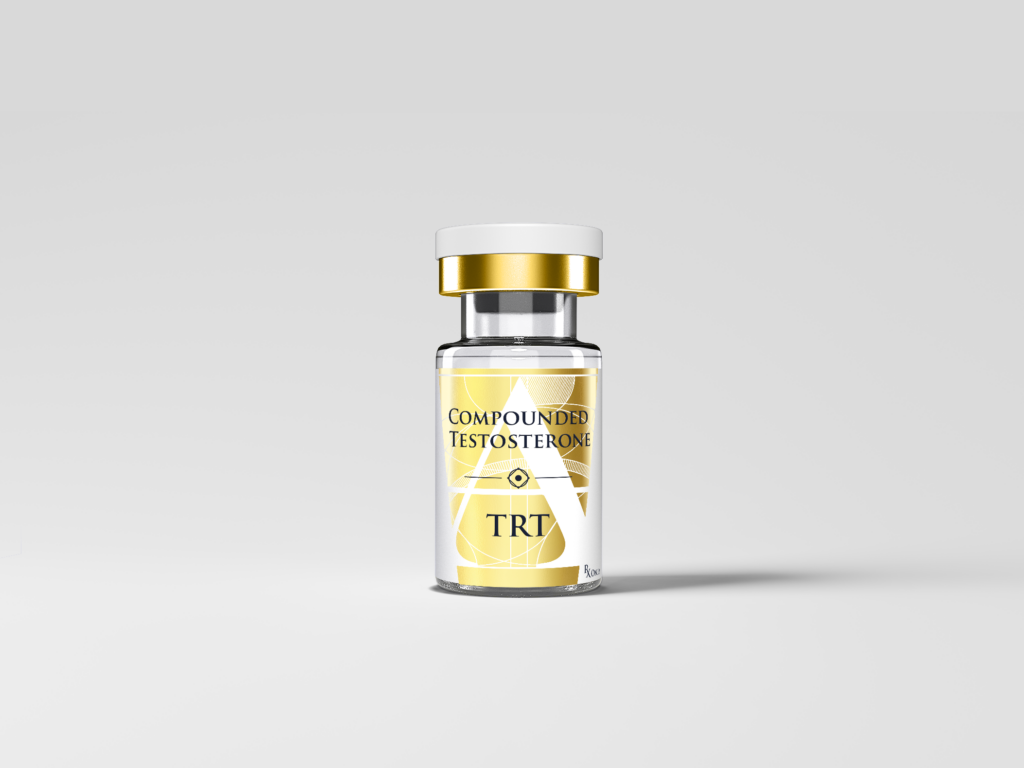
Compounded Testosterone Injection
A clinically monitored testosterone therapy option using scheduled injections as the route of administration.

Compounded Transdermal Testosterone Cream
A clinically monitored testosterone therapy option using daily topical cream as the route of administration.

Sermorelin
A peptide that mimics growth hormone-releasing hormone (GHRH)

T3/T4 Thyroid Blend
A compounded thyroid capsule containing the thyroid hormones T4 and T3.
Important: Compounded testosterone preparations are not FDA approved. The FDA does not evaluate compounded products for safety, effectiveness, or quality. Not available in all 50 states. Prescription products require an online consultation with a healthcare provider who will determine if a prescription is appropriate.
Go beyond what you feel
A single blood panel can show you more about your health than most people ever see.
$179 per test
Get startedFrom intake to treatment in four steps.
No monthly subscriptions or hidden fees.

Online Assessment
Complete a brief intake covering your health history, current symptoms, and what you are looking to address.

Lab Testing
Select one of our blood work panels and complete your draw at a Quest location near you, or send us labs from the last 3 months. At-home draws are available for an added fee.

Provider Consultation
Your licensed medical provider reviews your results, explains what they mean, and builds your treatment plan for you.

Start Treatment
If treatment is clinically appropriate, your provider prescribes through one of our licensed partner pharmacies and your medications ship directly to your home.
Learn More
Expert insights and educational resources
No blog posts selected. Please select posts in the element settings.