
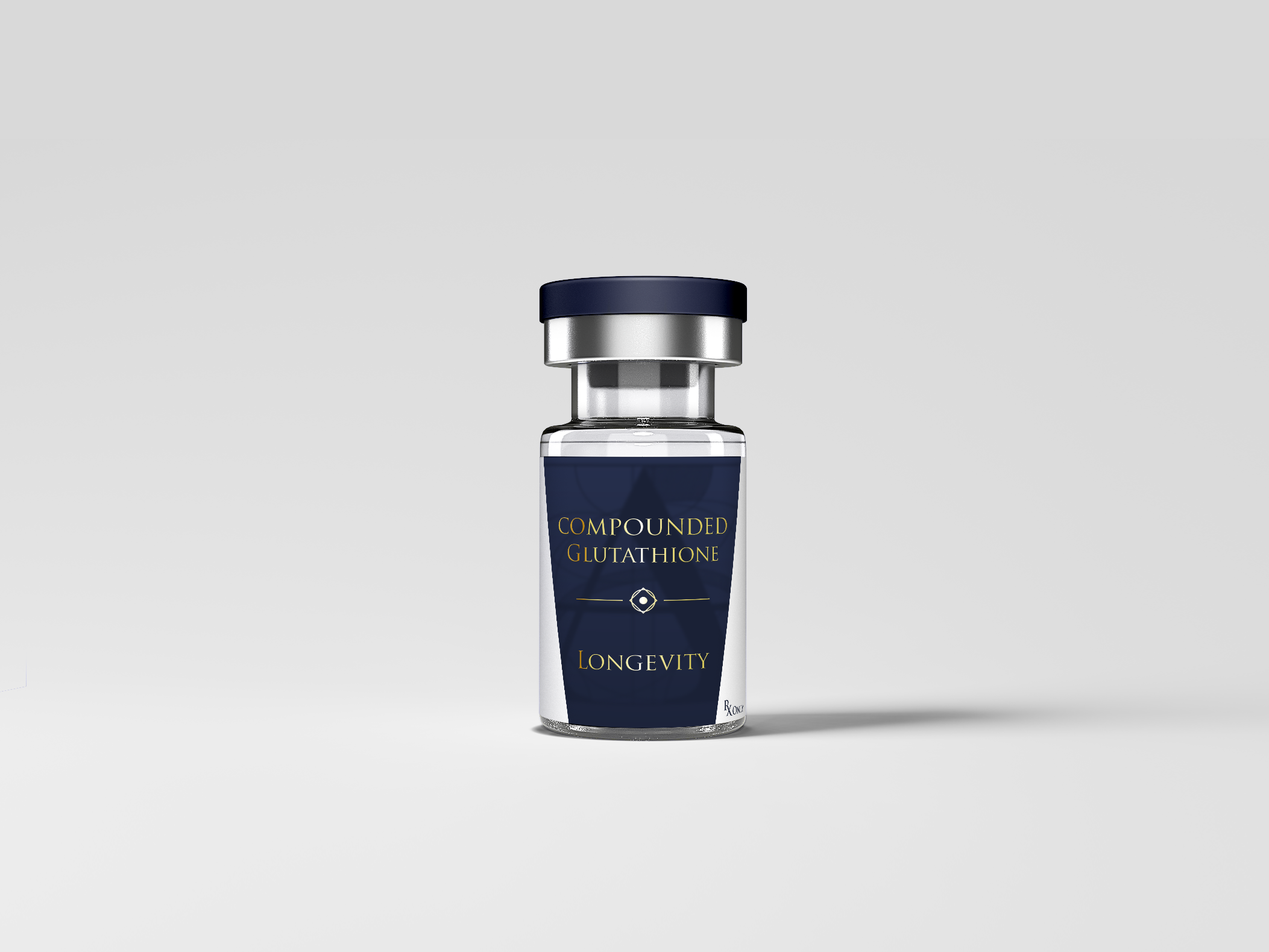
Compounded Glutathione
Compounded Glutathione is a naturally occurring tripeptide composed of glutamate, cysteine, and glycine and found throughout human cells.
Compounded medications are not FDA-approved and have not been evaluated by the FDA for safety, effectiveness, or quality prior to dispensing.
Administered by intramuscular (IM) injection, typically in the deltoid or gluteal muscle. Your physician will determine the appropriate dose, concentration, and frequency based on your clinical evaluation.
The most commonly reported reactions to injectable glutathione are local: pain, redness, soreness, or mild swelling at the injection site. Some patients also report mild headache, transient nausea, fatigue, or a sulfurous taste in the mouth or sulfurous body odor following injection. The taste and odor are related to the cysteine content of glutathione and typically resolve on their own.
More serious reactions have been reported in the published literature on parenteral glutathione, including liver dysfunction and anaphylaxis. Stop the injection and contact your provider promptly if you develop yellowing of the skin or eyes, dark urine, persistent abdominal pain, severe fatigue, or a spreading rash. Seek emergency care immediately for difficulty breathing, swelling of the face or throat, severe dizziness, or loss of consciousness.
You are encouraged to report negative side effects of prescription products:
- Contact FDA MedWatch at 1-800-FDA-1088 or visit www.fda.gov/medwatch
The statements on this page have not been evaluated by the Food and Drug Administration. This product is not intended to diagnose, treat, cure, or prevent any disease.
Important Safety Information
Important Safety Information — Compounded Glutathione for Injection (Intramuscular)
What is this?
This document summarizes important safety information for compounded glutathione for intramuscular (IM) injection. It does not replace the conversation with your provider, the labeling on your prescription, or the instructions provided by your dispensing pharmacy. Read this information before you begin treatment and keep it for reference during the course of your prescription.
If you have questions about your prescription, your injection technique, or any reaction you are experiencing, contact your ATHS provider or the dispensing pharmacy directly.
Glutathione is a tripeptide composed of glutamate, cysteine, and glycine, produced naturally by the body and involved in cellular antioxidant function. There is no FDA-approved glutathione drug product. Compounded glutathione for injection is prepared by a licensed compounding pharmacy under Section 503A of the Federal Food, Drug, and Cosmetic Act based on an individual prescription. As a compounded medication, it is not approved by the FDA and has not been evaluated by the FDA for safety, effectiveness, or quality prior to dispensing.
Your provider has determined that compounded glutathione for injection may be appropriate for you in the context of your individual antioxidant and general wellness goals. The clinical evidence base for parenteral glutathione is limited, and most published safety data comes from intravenous (IV) glutathione studied at higher doses for cosmetic indications rather than from intramuscular use at general wellness doses. The information in this document draws on that available literature and on standard parenteral pharmacology principles.
Important Warnings and Precautions
- Risk of severe allergic reaction. Allergic reactions, including anaphylaxis, have been reported with parenteral glutathione. Anaphylaxis can be life-threatening and requires immediate emergency care. Patients self-administering at home must be able to recognize the signs and have a plan for emergency response.
- Risk of liver injury. Liver dysfunction has been reported in published clinical studies of intravenous glutathione. In one randomized study of high-dose IV glutathione for cosmetic use, approximately one in three participants experienced adverse events, with liver dysfunction the most common (Alzahrani et al., 2025, citing Zubair et al., 2017). The risk profile of intramuscular use at lower doses is not separately characterized in the published literature, and the cautious assumption is that hepatic effects can occur with parenteral glutathione.
- Limited published safety data. No FDA-approved glutathione drug product exists, and there is no FDA-approved prescribing information to draw on. Published safety data for injectable glutathione is concentrated in studies of intravenous administration for cosmetic indications. Long-term safety data is not available. Report any reaction or symptom you experience to your provider so it can be documented and managed.
- Injection site reactions and infection risk. Pain, redness, swelling, bruising, or hardening at the injection site can occur. Self-administered injection carries a risk of infection if sterile technique is not followed. Symptoms of injection site infection include increasing pain, warmth, redness expanding outward, drainage, or fever.
- Off-label clinical use. Glutathione has no FDA-approved indication. Use for antioxidant support or general wellness has not been evaluated or approved by the FDA, and the strength of clinical evidence for this use is limited compared to evidence for its endogenous physiological role.
Stop the injection and seek emergency care immediately if you develop signs of a severe allergic reaction during or after administration, including difficulty breathing, throat tightness, swelling of the face, lips, tongue, or throat, widespread hives, severe dizziness, rapid heartbeat, or loss of consciousness. Call 911 or go to the nearest emergency department.
Who should not use compounded glutathione for injection?
- Patients with a known hypersensitivity or allergy to glutathione, to any of its component amino acids (glutamate, cysteine, glycine), or to any excipient or preservative used in the compounded preparation.
- Patients with a documented history of severe allergic reaction (anaphylaxis) to any injectable medication.
- Patients with active liver disease, including acute hepatitis, decompensated cirrhosis, or unexplained elevated liver enzymes, until the cause has been evaluated by their provider.
- Patients under 18 years of age. ATHS does not prescribe compounded glutathione for injection to minors.
Before using compounded glutathione for injection, tell your provider if you:
- Have a history of liver disease, hepatitis, fatty liver disease, or abnormal liver function tests.
- Have kidney disease or reduced kidney function.
- Have asthma, chronic obstructive pulmonary disease, or a history of significant respiratory reactions to medications.
- Have a history of allergies to sulfa drugs, sulfite preservatives, or any injectable medication.
- Have a bleeding disorder, take blood-thinning medications, or are scheduled for a procedure where bleeding may be a concern.
- Are receiving chemotherapy or have a history of cancer treatment. Glutathione may interfere with the cellular activity of certain chemotherapy agents, including platinum-based regimens.
- Are pregnant, planning pregnancy, or breastfeeding.
- Have ever fainted with injections or have a fear of needles that affects your ability to inject safely.
Tell your provider about all prescription medications, over-the-counter products, supplements, and herbal preparations you take, and about any recent medical procedures.
Compounded Formulation and Allergy Information
Compounded glutathione for injection is typically supplied as a sterile aqueous solution or as a lyophilized powder for reconstitution. The vehicle is usually sterile water for injection or a sodium chloride solution. Some preparations may contain preservatives (such as benzyl alcohol) to permit multi-dose vial use. Formulations vary by dispensing pharmacy.
Tell your provider and dispensing pharmacy about any allergies to preservatives, sulfites, latex, or other excipients used in injectable preparations. If you are pregnant, breastfeeding, or planning pregnancy, tell your provider so a preservative-free preparation can be considered if appropriate. The full ingredient list for your specific prescription will be provided by the dispensing pharmacy.
Drug Interactions
No formal drug interaction studies have been conducted for compounded glutathione for injection. The interactions described below are based on glutathione's biochemical role and on cautions described in the parenteral glutathione literature.
- Chemotherapy agents, particularly platinum-based regimens (cisplatin, carboplatin, oxaliplatin). Glutathione binds to and inactivates platinum compounds in cellular environments, which may reduce the cytotoxic activity of chemotherapy. Patients receiving or planning chemotherapy should not use glutathione without the explicit coordination of their oncologist.
- Other antioxidant infusions (vitamin C, alpha-lipoic acid, NAD+). Concurrent use of multiple antioxidant therapies may compound effects on cellular redox balance and on injection-related risk. Coordinate timing and dosing with your provider.
- Hepatically metabolized medications. If you are taking medications that affect liver function or that are metabolized by the liver, monitoring may be warranted. Discuss with your provider.
Provide your provider and dispensing pharmacy with a complete list of medications and supplements before starting treatment.
Monitoring During Treatment
Your provider may recommend periodic blood tests during treatment with compounded glutathione for injection. Tests may include liver function (AST, ALT, alkaline phosphatase, bilirubin) and basic metabolic panels assessing kidney function. The frequency and scope of monitoring will be determined by your provider based on your medical history, the duration of treatment, and any symptoms reported.
Do not skip recommended laboratory testing. Hepatic effects from parenteral glutathione may not produce noticeable symptoms in their early stages and can be detected through bloodwork before significant injury occurs.
Common Side Effects
No published clinical study has reported a structured frequency-ordered table of side effects for intramuscular glutathione at general wellness doses. The following reactions have been described in the parenteral glutathione literature and in the broader experience with injectable peptide and amino acid preparations:
- Injection site reactions. Pain, soreness, redness, mild swelling, or bruising at the injection site, particularly during the first injections or with technique errors.
- Headache. Mild to moderate headache during or after administration.
- Nausea. Transient nausea, sometimes accompanied by reduced appetite.
- Sulfurous taste or odor. Some patients notice a sulfurous taste in the mouth or sulfurous body odor following injection. This is related to the cysteine content of glutathione and is typically transient.
- Mild allergic skin reactions. Itching, rash, or hives can occur. Mild reactions warrant provider notification; widespread or severe reactions warrant emergency care.
- Fatigue or lightheadedness. Some patients report transient fatigue or lightheadedness following injection.
Report any reaction to your provider so it can be documented and reviewed. Severe, persistent, or worsening reactions warrant prompt provider contact.
Hepatotoxicity Warning
Liver dysfunction has been reported in clinical studies of intravenous glutathione. In a published randomized trial of 1200 mg IV glutathione twice weekly for six weeks for cosmetic skin-lightening, approximately 32 percent of participants experienced adverse events, with liver dysfunction the most frequently reported (Alzahrani et al., 2025, citing Zubair et al., 2017). The Philippine FDA has issued a public advisory against the use of injectable glutathione for skin-lightening, citing reports of liver damage, severe allergic reactions, and the absence of standardized dosing protocols. The Davids 2016 South African Medical Journal review concluded that injectable glutathione has inadequate safety data and should be restricted to closely supervised clinical settings.
Symptoms that may indicate liver injury include yellowing of the skin or whites of the eyes (jaundice), dark or tea-colored urine, persistent nausea or vomiting, severe abdominal pain in the upper right side, unusual fatigue, loss of appetite, or itching without rash. If you develop any of these symptoms, stop the injection and contact your provider promptly. Seek emergency care for severe symptoms or rapid onset.
Hypersensitivity and Anaphylaxis Warning
Anaphylaxis has been reported with parenteral glutathione (Alzahrani et al., 2025, citing Zubair et al., 2017). Anaphylaxis is a life-threatening reaction that can occur within minutes of injection.
Signs of anaphylaxis include the following symptoms occurring during or shortly after injection:
- Difficulty breathing, wheezing, or throat tightness
- Swelling of the face, lips, tongue, or throat
- Widespread hives or severe itching
- Sudden severe dizziness, fainting, or loss of consciousness
- Rapid heartbeat or sudden drop in blood pressure
- Severe nausea or vomiting
If you develop any of these symptoms, call 911 or go to the nearest emergency department immediately. Do not attempt to drive yourself. If you have an epinephrine auto-injector for prior allergic conditions, use it as directed by your provider while seeking emergency care.
Pregnancy, Breastfeeding, and Use in Women
There are no controlled clinical studies of compounded glutathione for injection in pregnant or breastfeeding women. Glutathione is produced naturally by the body and crosses the placenta, but the safety of supplementing it via injection during pregnancy or lactation has not been established.
If you are pregnant, planning pregnancy, or breastfeeding, discuss the decision to use or continue this medication with your provider. If you become pregnant while using compounded glutathione, contact your provider before continuing treatment.
If your prescription contains benzyl alcohol as a preservative, additional precautions may apply during pregnancy and breastfeeding. The dispensing pharmacy can confirm the formulation of your specific prescription.
Pediatric Use
Safety and effectiveness of compounded glutathione for injection in patients under 18 years of age have not been established.
ATHS does not prescribe compounded glutathione for injection to patients under 18 years of age.
Patients with Liver or Kidney Impairment
Patients with active liver disease should not use compounded glutathione for injection until their condition has been evaluated by their provider. Patients with a history of liver disease, fatty liver disease, or abnormal liver function tests should disclose this history to their provider before starting treatment, and should expect closer laboratory monitoring during treatment.
Patients with reduced kidney function should disclose this to their provider so that monitoring can be tailored to their renal status.
Administration
- Compounded glutathione is administered by intramuscular (IM) injection only at ATHS. Do not administer the medication intravenously, subcutaneously, or by any other route unless specifically directed by your provider.
- Use only the syringes, needles, and supplies provided or specified by your provider.
- Wash your hands thoroughly before preparing the injection. Clean the top of the vial with an alcohol pad before drawing up the medication. Clean the injection site with a fresh alcohol pad and allow it to dry before injecting.
- Rotate injection sites between approved IM locations (typically the upper outer thigh, the deltoid muscle of the upper arm, or the upper outer quadrant of the buttock) to reduce the risk of tissue irritation.
- Inject only the dose and at the frequency directed by your provider. Do not increase the dose or frequency without provider direction.
- Do not share needles, syringes, or vials with anyone, including household members.
- If you have any uncertainty about technique, contact your provider before administering. Improper technique increases the risk of infection, nerve injury, and ineffective dosing.
Missed Dose
If you miss a scheduled dose, take it when you remember unless it is close to the time of your next scheduled dose. Do not double the dose to make up for a missed injection. Resume your normal schedule and contact your provider if you have questions or have missed multiple doses.
Overdose
If you suspect that you or someone else has received too much compounded glutathione for injection, or if a vial has been ingested or accidentally injected by someone other than the prescribed patient, contact Poison Control at 1-800-222-1222 or proceed to the nearest emergency department. If the affected person is unconscious, having difficulty breathing, or showing signs of a severe reaction, call 911 immediately.
While Using Compounded Glutathione for Injection
Contact your provider promptly if you develop any of the following during treatment:
- Persistent or worsening injection site pain, redness, swelling, warmth, or drainage that may indicate infection
- Yellowing of the skin or eyes, dark urine, or pale stools
- Persistent nausea, vomiting, or upper-right abdominal pain
- Unusual or severe fatigue, weakness, or loss of appetite
- Skin rash, hives, or itching that develops after injections
- Fever, chills, or systemic symptoms suggesting infection
- Any new or worsening symptom you suspect may be related to the medication
Call 911 or seek emergency care for difficulty breathing, throat or facial swelling, severe widespread rash, sudden severe dizziness or loss of consciousness, or any other symptom suggesting a severe allergic reaction or serious adverse event.
Storage
Store compounded glutathione for injection as directed by the dispensing pharmacy. Most preparations require refrigeration between 36°F and 46°F (2°C and 8°C) and protection from light. Glutathione is sensitive to oxidation, and improper storage can degrade the active ingredient.
Do not freeze the medication. Do not use the medication if it appears discolored, cloudy, or contains visible particles. Discard the product on or before the beyond-use date provided by the dispensing pharmacy. Keep all medications and sharps out of the reach of children and pets.
Medication Disposal
- Place all used needles, syringes, and any other sharps in an FDA-cleared sharps disposal container immediately after use. Do not place sharps in regular household trash or recycling.
- When the sharps container is full, follow your local regulations for disposal. Many areas have community sharps take-back programs or designated drop-off sites.
- Do not flush unused medication or pour it down a drain.
- For unused vials, follow the disposal guidance provided by the dispensing pharmacy or use a community drug take-back program.
- Ask the dispensing pharmacy if you have questions about disposal.
Reporting Side Effects
Report side effects you experience to your ATHS provider so they can be documented in your record and managed appropriately. You may also report serious adverse events to FDA MedWatch by calling 1-800-FDA-1088 or by visiting https://www.fda.gov/medwatch.
Telemedicine Disclosure
Your prescription for compounded glutathione for injection may be issued through telemedicine after review of your information by a licensed healthcare provider. Telemedicine evaluation depends on the accuracy and completeness of the information you provide. Withholding relevant medical history, prior allergic reactions, current medications, hepatic or renal conditions, or recent procedures may result in serious harm.
Contact your ATHS provider for any concerns about your treatment. Seek in-person evaluation or emergency care for any reaction or symptom that requires prompt assessment.
Disclaimer
This document is not a comprehensive list of all risks, side effects, or precautions associated with compounded glutathione for injection. It does not replace the clinical judgment of your provider or the labeling provided by the dispensing pharmacy. It is provided for informational purposes and does not constitute medical advice. Direct any questions about your prescription, your medical condition, or any reaction you are experiencing to your provider or the dispensing pharmacy.
Why Glutathione with ATHS?
Because effective treatment should be accessible from home and backed by real clinical oversight

What's Included
Longevity Treatments for Men

Cialis® (Tadalafil)
Cialis®, is a long-acting medication for erectile dysfunction with effects that can last up to 36 hours.
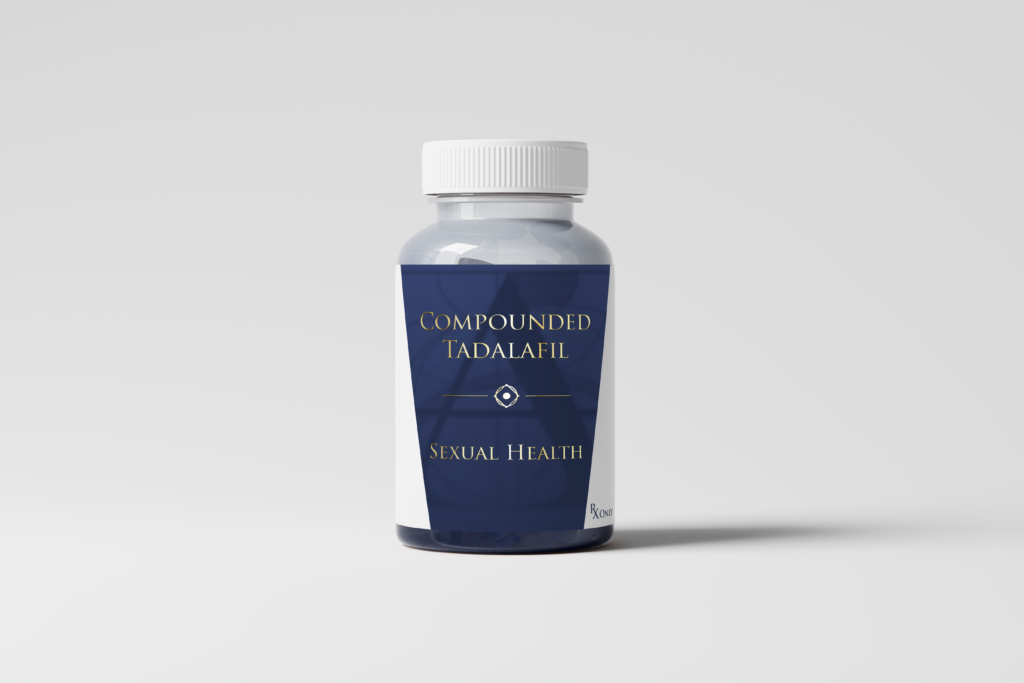
Compounded Tadalafil
A chewable compounded formulation of tadalafil, a PDE5 inhibitor.
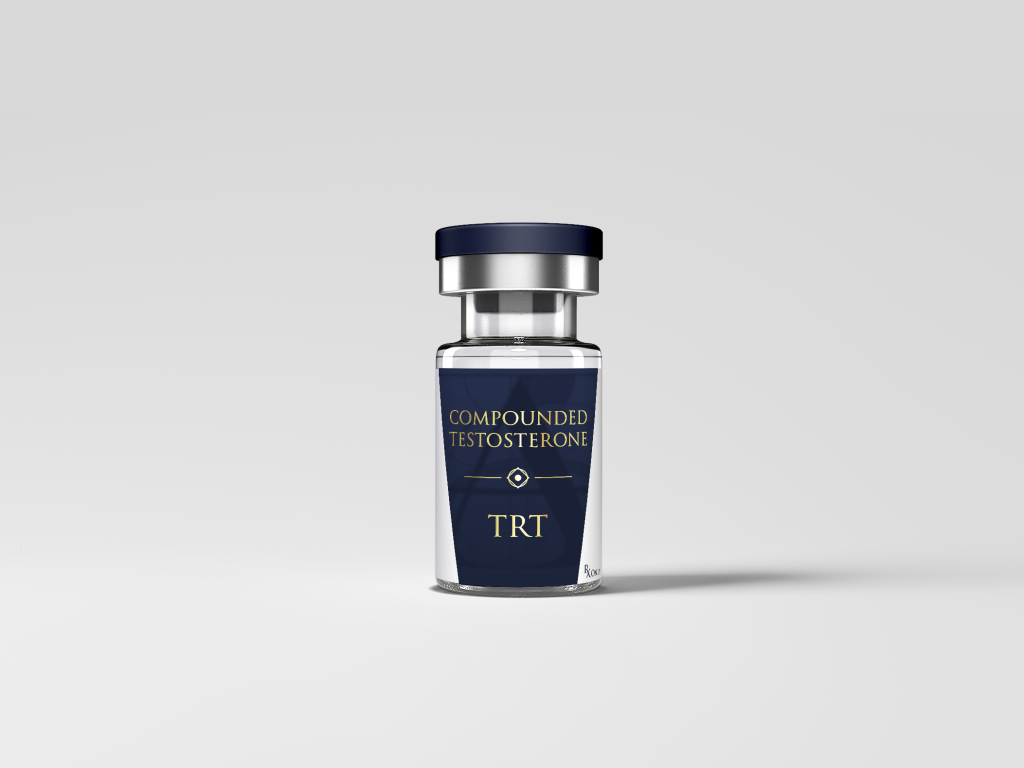
Compounded Testosterone Injection
A clinically monitored testosterone therapy option using scheduled injections as the route of administration.

Compounded Transdermal Testosterone Cream
A clinically monitored testosterone therapy option using daily topical cream as the route of administration.

GHK-Cu (Copper Peptide)
A compounded topical cream made with GHK-Cu (copper peptide).

Glutathione
An injectable tripeptide composed of glutamate, cysteine, and glycine.
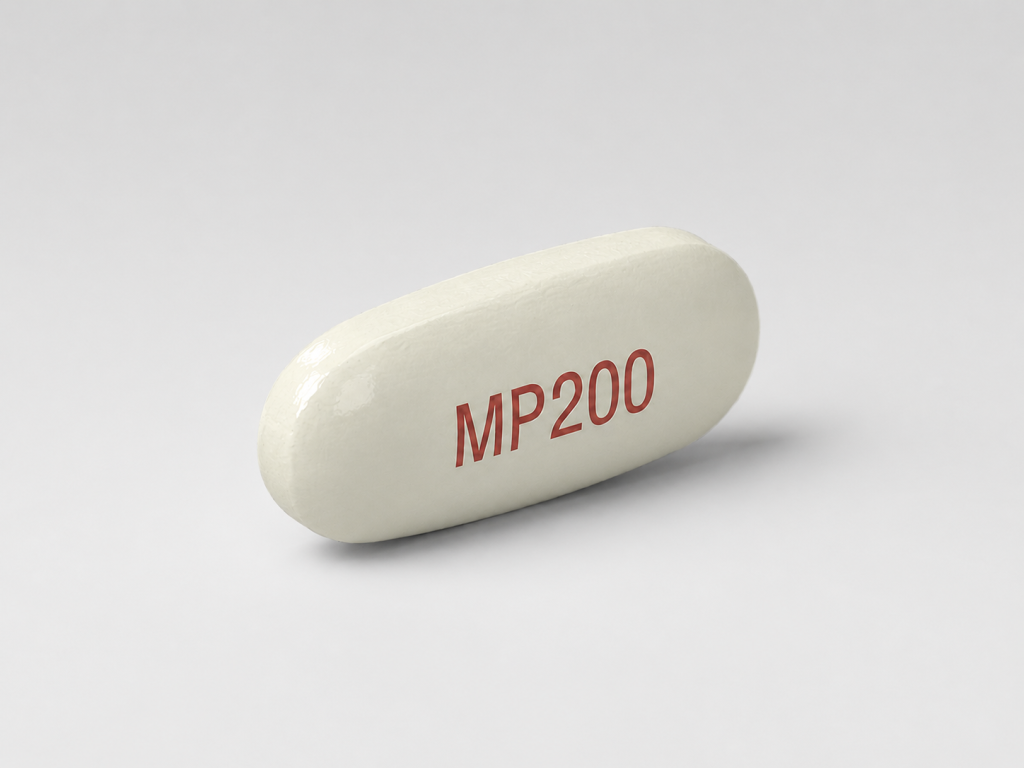
Kyzatrex®
An FDA approved oral testosterone replacement therapy option for men.

Metformin (Generic)
An oral medication that improves how the body processes insulin and manages blood sugar.

NAD+ Injection
Compounded NAD+ is a formulation of nicotinamide adenine dinucleotide, a coenzyme involved in cellular energy production and metabolic function.

Niagen®+
An injection containing nicotinamide riboside chloride in the form of Niagen®, a form of vitamin B3 that the body uses to produce NAD+, a coenzyme involved in cellular energy metabolism.

Sermorelin
A peptide that mimics growth hormone-releasing hormone (GHRH)

Tadalafil (Generic Cialis®)
A prescription medication for erectile dysfunction that helps improve blood flow and can remain effective for up to 36 hours.
Important: Compounded testosterone preparations are not FDA approved. The FDA does not evaluate compounded products for safety, effectiveness, or quality. Not available in all 50 states. Prescription products require an online consultation with a healthcare provider who will determine if a prescription is appropriate.
Cialis® is a registered trademark of Eli Lilly and Company. Alchemical Transformations Health Services, P.C. is not affiliated with or endorsed by Eli Lilly and Company.
Niagen® is a registered trademark of Niagen Bioscience, Inc. Alchemical Transformations Health Services, P.C. is not affiliated with or endorsed by Niagen Bioscience, Inc.
Go beyond what you feel
A single blood panel can show you more about your health than most people ever see.
Starting at $179
Get startedFrom intake to treatment in four steps.
No monthly subscriptions or hidden fees.

Online Assessment
Complete a brief intake covering your health history, current symptoms, and what you are looking to address.
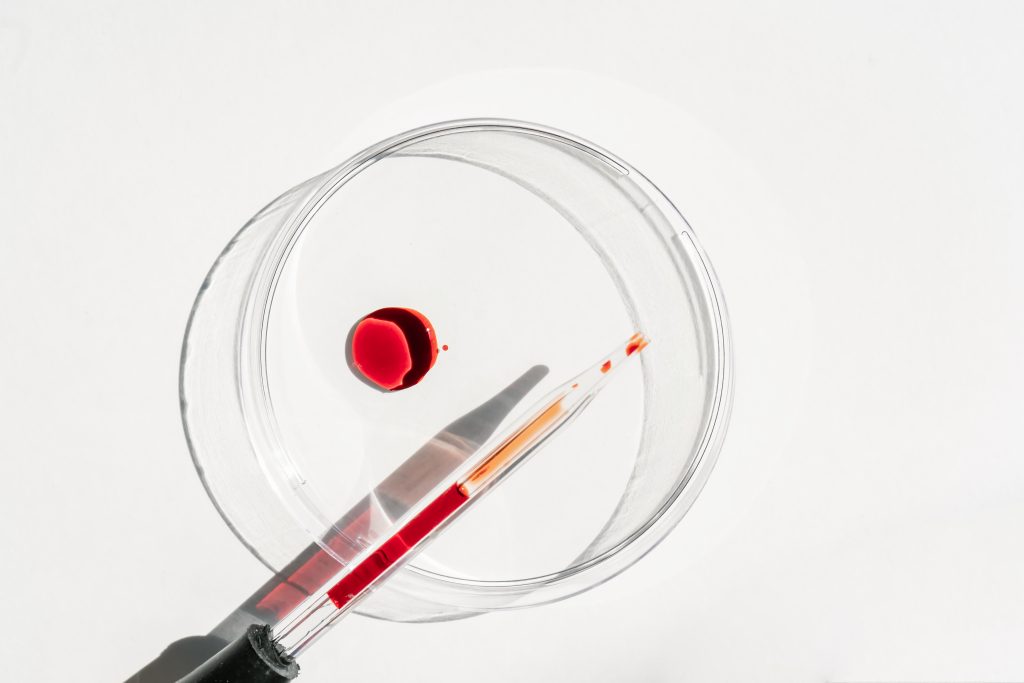
Lab Testing
Select one of our blood work panels and complete your draw at a Quest location near you, or send us labs from the last 3 months. At-home draws are available for an added fee.

Provider Consultation
Your licensed medical provider reviews your results, explains what they mean, and builds your treatment plan for you.

Start Treatment
If treatment is clinically appropriate, your provider prescribes through one of our licensed partner pharmacies and your medications ship directly to your home.
Learn More
Expert insights and educational resources
No blog posts selected. Please select posts in the element settings.
Glutathione FAQ
Can't find what you're looking for?

No sources added. Please add sources in the element settings.