
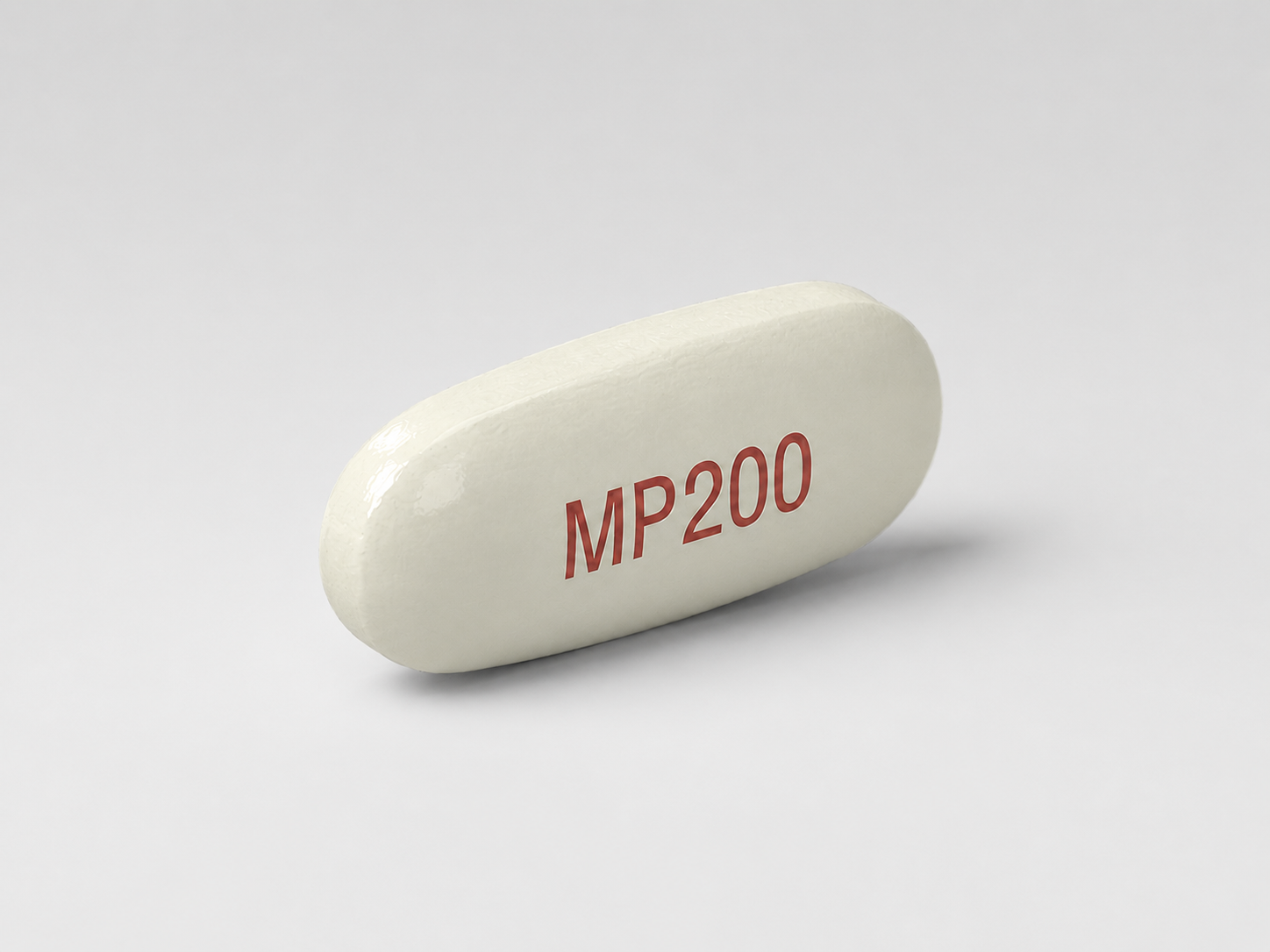

Kyzatrex®
Kyzatrex® is a brand-name oral testosterone undecanoate manufactured by Marius Pharmaceuticals. It is taken as a capsule twice daily with food to restore testosterone to normal levels.
Kyzatrex® is FDA-approved for testosterone replacement therapy in adult males for conditions associated with a deficiency or absence of endogenous testosterone, also known as hypogonadism.
*Prescription required. Results may vary. For additional information, see product information.
Kyzatrex® is taken twice daily, once in the morning and once in the evening. Try to take each dose at approximately the same time every day.
Your provider may adjust your dose based on follow-up testosterone testing, which is typically performed in the morning a few hours after your morning dose. Continue taking the medication as directed unless your provider instructs you otherwise.
KYZATREX® is an oral testosterone therapy that requires medical supervision, including blood pressure monitoring and periodic lab work. The most common side effect reported with KYZATREX® is high blood pressure.
Known risks and side effects can include increased red blood cell count or hemoglobin, blood clots in the legs or lungs, worsening urinary symptoms from an enlarged prostate, increased PSA, swelling of the ankles, feet, or body, enlarged or painful breasts, sleep apnea symptoms, headache, joint or back pain, diarrhea, anxiety, constipation, and changes in cholesterol or other lipid markers.
Your healthcare provider should monitor your blood pressure, testosterone levels, red blood cell count, hemoglobin, PSA, lipid levels, and other safety markers during treatment. Contact your provider right away if you develop leg pain or swelling, chest pain, difficulty breathing, yellowing of the skin or eyes, dark urine, worsening urinary symptoms, significant swelling, or breathing problems during sleep.
You are encouraged to report negative side effects of prescription products:
- Contact FDA MedWatch at 1-800-FDA-1088 or visit www.fda.gov/medwatch
The statements on this page have not been evaluated by the Food and Drug Administration. This product is not intended to diagnose, treat, cure or prevent any disease.
Important Safety Information
Important Safety Information — KYZATREX® (testosterone undecanoate)
What is this?
This Important Safety Information summarizes key warnings, precautions, contraindications, and possible side effects for KYZATREX® (testosterone undecanoate) capsules, a prescription testosterone medication for oral use.
KYZATREX® is used for testosterone replacement therapy in adult males for conditions associated with a deficiency or absence of endogenous testosterone.
KYZATREX® is not substitutable with other oral testosterone undecanoate products.
KYZATREX® is a Schedule III controlled substance because it contains testosterone. Keep KYZATREX® in a safe place. Do not sell, share, or give KYZATREX® to anyone else, even if they have the same symptoms.
Safety and effectiveness of KYZATREX® have not been established in males younger than 18 years old. Safety and effectiveness of KYZATREX® have not been established in men with age-related hypogonadism, also referred to as late-onset hypogonadism.
Who should not take KYZATREX®?
Do not take KYZATREX® if you have carcinoma of the breast or known or suspected carcinoma of the prostate.
Do not take KYZATREX® if you are a woman who is pregnant. Testosterone may cause fetal harm and may cause virilization of a female fetus.
Do not take KYZATREX® if you have a known hypersensitivity to KYZATREX® or any of its ingredients.
Before taking KYZATREX®
Before taking KYZATREX®, tell your healthcare provider if you have high blood pressure or are being treated for high blood pressure, have a history of diabetes, have heart problems, have a high red blood cell count or high hemoglobin laboratory value, have urinary problems due to an enlarged prostate, have liver or kidney problems, or have breathing problems while you sleep.
Tell your healthcare provider about all medicines you take, including prescription medicines, over-the-counter medicines, vitamins, and herbal supplements.
How to take KYZATREX®
Take KYZATREX® exactly as your healthcare provider tells you to take it.
Take KYZATREX® by mouth with food.
KYZATREX® is generally taken once in the morning and once in the evening. If your dose is 100 mg daily, take it once in the morning.
Your healthcare provider may change your KYZATREX® dose. Do not change your KYZATREX® dose without talking to your healthcare provider.
Monitoring during treatment
Before starting KYZATREX®, your healthcare provider should confirm the diagnosis of hypogonadism by measuring serum testosterone concentrations in the morning on at least two separate days and confirming that the concentrations are below the normal range.
Your healthcare provider should monitor testosterone concentrations after starting treatment or after dose changes, and periodically thereafter.
Your healthcare provider should monitor hemoglobin or hematocrit, blood pressure, PSA, prostate-related symptoms, lipid levels, and other safety markers as appropriate during treatment.
Increased red blood cell count
KYZATREX® can increase hemoglobin or hematocrit, reflecting an increase in red blood cell mass.
An increase in red blood cell mass may increase the risk of thromboembolic events. Your healthcare provider should check hematocrit before starting KYZATREX® and approximately every 3 months while you are taking KYZATREX®.
If hematocrit becomes elevated, KYZATREX® may need to be stopped until hematocrit decreases to an acceptable concentration. If KYZATREX® is restarted and again causes hematocrit to become elevated, KYZATREX® should be permanently discontinued.
Blood clots
Venous thromboembolic events, including deep vein thrombosis and pulmonary embolism, have been reported in patients using testosterone replacement products such as KYZATREX®.
Signs and symptoms of a blood clot in the leg may include lower limb pain, swelling, warmth, or redness. Signs and symptoms of a blood clot in the lung may include acute shortness of breath, difficulty breathing, or chest pain.
If a venous thromboembolic event is suspected, KYZATREX® should be discontinued and appropriate medical evaluation and management should be started.
Prostate and urinary risks
Patients with benign prostatic hyperplasia, also known as BPH or enlarged prostate, who are treated with androgens are at increased risk for worsening signs and symptoms of BPH.
Symptoms may include increased urination at night, trouble starting your urine stream, urinating many times during the day, an urgent need to urinate, urinary accidents, inability to pass urine, or weak urine flow.
Patients treated with androgens may be at increased risk for prostate cancer. Your healthcare provider should evaluate you for prostate cancer before starting and during treatment with androgens, including monitoring PSA.
Blood pressure increases
KYZATREX® can increase blood pressure. Blood pressure increases can increase cardiovascular risk over time.
Your healthcare provider should monitor your blood pressure periodically while you are taking KYZATREX®, especially if you have hypertension.
KYZATREX® is not recommended for use in patients with uncontrolled hypertension.
If your blood pressure increases while taking KYZATREX®, blood pressure medications may need to be started, added, or adjusted, or KYZATREX® may need to be discontinued.
Abuse, misuse, and dependence
Testosterone has been subject to abuse, typically at doses higher than recommended and in combination with other anabolic androgenic steroids.
Abuse of testosterone and anabolic androgenic steroids can lead to serious cardiovascular and psychiatric adverse reactions, including cardiac arrest, heart attack, hypertrophic cardiomyopathy, congestive heart failure, stroke, liver toxicity, major depression, mania, paranoia, psychosis, delusions, hallucinations, hostility, and aggression.
Other abuse-related adverse reactions reported in men include transient ischemic attacks, convulsions, hypomania, irritability, lipid abnormalities, testicular atrophy, subfertility, and infertility.
Continued abuse of testosterone and other anabolic steroids may lead to addiction. Withdrawal symptoms after abrupt discontinuation or significant dose reduction may include depressed mood, major depression, fatigue, craving, restlessness, irritability, anorexia, insomnia, decreased libido, and hypogonadotropic hypogonadism.
Not for use in women
KYZATREX® is not indicated for use in women due to lack of controlled studies in women and the potential for virilizing effects.
Fertility and sperm production
Large doses of exogenous androgens, including KYZATREX®, may suppress spermatogenesis through feedback inhibition of pituitary FSH, possibly leading to adverse effects on semen parameters, including sperm count.
Reduced fertility has been observed in some men taking testosterone replacement therapy. Testicular atrophy, subfertility, and infertility have also been reported in men who abuse anabolic androgenic steroids. The impact on fertility may be irreversible.
Liver problems
KYZATREX® is not a 17-alpha-alkyl androgen and is not known to cause hepatic adverse effects. However, serious hepatic adverse effects have been associated with prolonged use of high doses of certain orally active androgens.
Report signs or symptoms of liver dysfunction, including nausea or vomiting, yellowing of the skin or whites of the eyes, dark urine, or pain on the right side of the stomach area. If these occur, KYZATREX® should be promptly discontinued while the cause is evaluated.
Swelling and fluid retention
Androgens, including KYZATREX®, may promote retention of sodium and water.
Swelling or edema, with or without congestive heart failure, may be a serious complication in patients with pre-existing cardiac, renal, or hepatic disease. Diuretic therapy may be required in addition to discontinuation of KYZATREX®.
Sleep apnea
Testosterone treatment may potentiate sleep apnea in some patients, especially those with risk factors such as obesity or chronic lung disease.
Gynecomastia
Gynecomastia, or enlarged or painful breasts, may develop and persist in patients being treated for hypogonadism.
Lipid changes
Patients receiving KYZATREX® have experienced reductions in lipid parameters, including total cholesterol, LDL cholesterol, HDL cholesterol, and triglycerides.
Changes in serum lipid profile may require dose adjustment of lipid-lowering medications or discontinuation of testosterone therapy. Your healthcare provider should monitor lipid levels periodically, particularly after starting testosterone therapy.
High calcium levels
Androgens, including KYZATREX®, should be used with caution in cancer patients at risk of hypercalcemia and associated hypercalciuria.
Serum calcium concentrations should be monitored periodically during treatment with KYZATREX® in these patients.
Thyroid laboratory changes
Androgens, including KYZATREX®, may decrease concentrations of thyroxine-binding globulin, resulting in decreased total T4 serum concentrations and increased resin uptake of T3 and T4.
Free thyroid hormone concentrations remain unchanged, and there is no clinical evidence of thyroid dysfunction.
Possible side effects
The most common side effect of KYZATREX® is high blood pressure.
Other side effects may include headache, joint pain, back pain, diarrhea, increased red blood cell count, increased hemoglobin, anxiety, constipation, swelling of the legs, peripheral edema, and increased prostate specific antigen, or PSA, levels.
Clinically significant risks discussed in KYZATREX® labeling include increased red blood cell count, blood clots, worsening BPH symptoms, potential risk of prostate cancer, blood pressure increases, hepatic adverse effects, edema, sleep apnea, gynecomastia, lipid changes, hypercalcemia, and decreased thyroxine-binding globulin.
Drug interactions
Tell your healthcare provider about all medicines you take, including prescription medicines, over-the-counter medicines, vitamins, and herbal supplements.
In patients with diabetes, KYZATREX® may decrease blood glucose and may require a decrease in the dose of anti-diabetic medication.
KYZATREX® may cause changes in anticoagulant activity. Patients taking oral vitamin K antagonist anticoagulants such as warfarin may need more frequent monitoring of INR and prothrombin time, especially when androgen therapy is started or stopped.
The concurrent use of testosterone with corticosteroids may result in increased fluid retention and requires careful monitoring, particularly in patients with cardiac, renal, or hepatic disease.
Some prescription medications and nonprescription pain or cold medications contain drugs known to increase blood pressure. Taking these medications with KYZATREX® may lead to additional increases in blood pressure.
Pregnancy
KYZATREX® is contraindicated in pregnant women and is not indicated for use in females.
Testosterone is teratogenic and may cause fetal harm when administered to a pregnant woman. Exposure of a female fetus to androgens may result in varying degrees of virilization.
Breastfeeding
KYZATREX® is not indicated for use in females.
Use in pediatric or geriatric patients
The safety and effectiveness of KYZATREX® in pediatric patients younger than 18 years old have not been established. KYZATREX® is not recommended for patients younger than 18 years old because of the potential for acceleration of bone age and premature closure of epiphyses.
Clinical studies of KYZATREX® did not include patients 65 years of age and older. It cannot be determined whether these patients respond differently from younger adult patients.
There are insufficient long-term safety data in geriatric patients to assess the potentially increased risk of cardiovascular disease and prostate cancer. Geriatric patients treated with androgens may be at risk for worsening signs and symptoms of BPH and hypertension.
Overdose
Treatment of KYZATREX® overdose consists of discontinuation of KYZATREX® and appropriate symptomatic and supportive care.
In case of overdose or accidental exposure, seek medical attention immediately or contact Poison Control at 1-800-222-1222.
Storage
Store KYZATREX® at room temperature between 20°C to 25°C / 68°F to 77°F, with excursions permitted between 15°C to 30°C / 59°F to 86°F.
Store KYZATREX® in a dry place and avoid exposure to excessive moisture and humid conditions.
Keep KYZATREX® and all medicines out of the reach of children.
In general:
- Store KYZATREX® at the temperature listed on the label.
- Store KYZATREX® in a dry place.
- Keep KYZATREX® away from excessive moisture and humid conditions.
- Keep KYZATREX® out of reach of children and pets.
- Store KYZATREX® securely because it is a controlled substance.
Medication Disposal
Throw away unused KYZATREX® through a take-back option.
If a take-back option is unavailable, follow FDA instructions at www.fda.gov/drugdisposal.
When to contact your provider
Contact your healthcare provider if you experience increased urination at night, trouble starting your urine stream, frequent urination, urgent need to urinate, urinary accidents, inability to pass urine, weak urine flow, increased blood pressure, swelling of the ankles, feet, or body, enlarged or painful breasts, breathing problems during sleep, nausea or vomiting, yellowing of the skin or eyes, dark urine, right-sided abdominal pain, headache, joint or back pain, diarrhea, anxiety, constipation, increased swelling of the legs, or any side effect that bothers you or does not go away.
Seek urgent medical care
Seek urgent medical care if you develop signs or symptoms of a blood clot, including lower limb pain, swelling, warmth, or redness, or symptoms of a blood clot in the lung, including acute shortness of breath, difficulty breathing, or chest pain.
Reporting Side Effects
Tell your healthcare provider if you experience side effects or symptoms that concern you.
You may report suspected adverse reactions to Marius Pharmaceuticals at 1-833-949-5040 or to the FDA at 1-800-FDA-1088 or www.fda.gov/medwatch.
Disclaimer
This information is not comprehensive and does not include all possible risks, side effects, interactions, warnings, or precautions associated with KYZATREX®. This page does not provide medical advice, diagnosis, or treatment.
For questions about KYZATREX®, your prescription, dosing, side effects, or treatment plan, contact your healthcare provider or pharmacist.
Restored testosterone levels
In a six-month clinical trial of adult men with low testosterone, the majority of participants achieved normal testosterone levels by day 90 when taking KYZATREX® twice daily with food.
No injections
A twice-daily oral capsule taken with food, providing testosterone replacement without needles, gels, or weekly clinic visits.
FDA-approved
KYZATREX® is an FDA-approved oral testosterone therapy, the branded, approved alternative to compounded and injectable options.
Why Choose Kyzatrex® with ATHS?
Because effective treatment should be accessible from home and backed by real clinical oversight.
- No mandatory subscription plans
- Dispensed by a licensed U.S. pharmacy
- HSA / FSA eligible

Testosterone Replacement Therapies for Men

Compounded Testosterone Injection
A clinically monitored testosterone therapy option using scheduled injections as the route of administration.

Compounded Transdermal Testosterone Cream
A clinically monitored testosterone therapy option using daily topical cream as the route of administration.

Enclomiphene
A selective estrogen receptor modulator (SERM) that acts on the hypothalamic-pituitary signaling involved in testosterone production.
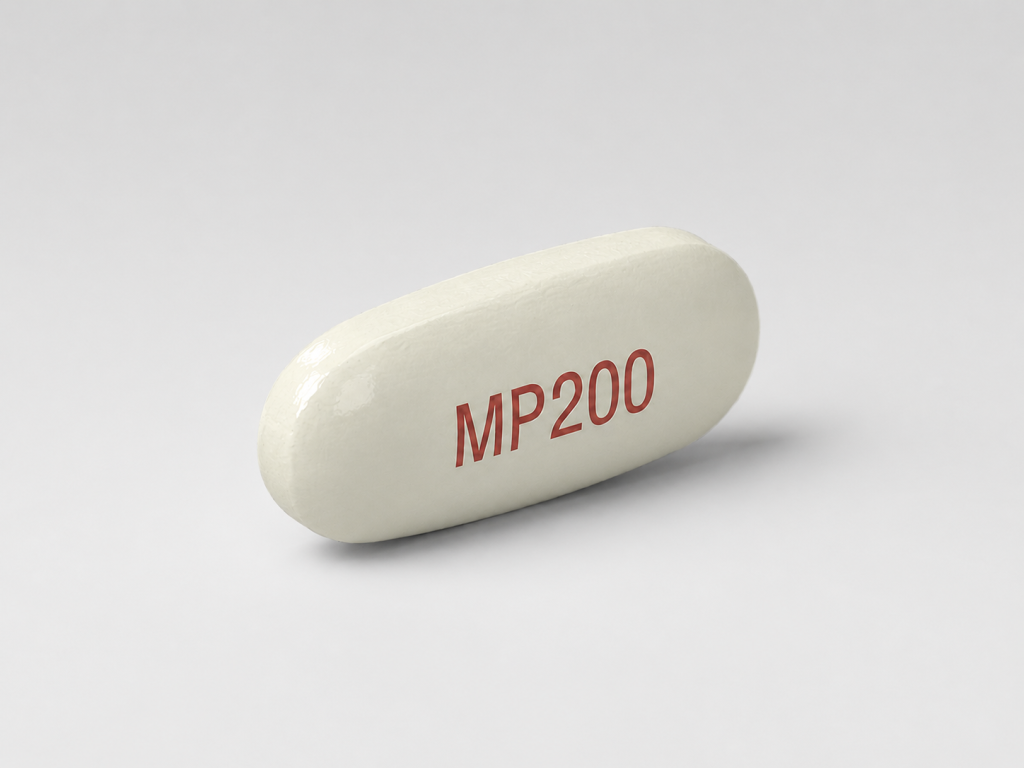
Kyzatrex®
An FDA approved oral testosterone replacement therapy option for men.

Pregnyl® (Human Chorionic Gonadotropin)
Also known as HCG, prescribed off label to maintain testicular function and fertility during TRT.
Important: Compounded testosterone preparations are not FDA approved. The FDA does not evaluate compounded products for safety, effectiveness, or quality. Not available in all 50 states. Prescription products require an online consultation with a healthcare provider who will determine if a prescription is appropriate.
Kyzatrex® is the registered trademark of Marius Pharmaceuticals, Inc. Alchemical Transformations Health Services, PC. is not affiliated with or endorsed by Marius Pharmaceuticals, Inc.
Pregnyl® is the registered trademark of Organon LLC. Alchemical Transformations Health Services, PC. is not affiliated with or endorsed by Organon LLC.
Go beyond what you feel
A single blood panel can show you more about your health than most people ever see.
Starting at $179
Get startedFrom intake to treatment in four steps.
No monthly subscriptions or hidden fees.

Online Assessment
Complete a brief intake covering your health history, current symptoms, and what you are looking to address.

Lab Testing
Select one of our blood work panels and complete your draw at a Quest location near you, or send us labs from the last 3 months. At-home draws are available for an added fee.

Provider Consultation
Your licensed medical provider reviews your results, explains what they mean, and builds your treatment plan for you.

Start Treatment
If treatment is clinically appropriate, your provider prescribes through one of our licensed partner pharmacies and your medications ship directly to your home.
Learn More
Expert insights and educational resources
No blog posts selected. Please select posts in the element settings.
No sources added. Please add sources in the element settings.