

Compounded Enclomiphene
Enclomiphene citrate is a selective estrogen receptor modulator (SERM) studied in men with secondary hypogonadism. It acts at the hypothalamus and pituitary by blocking estrogen receptors involved in the regulation of luteinizing hormone and follicle-stimulating hormone to produce testosterone.
Compounded medications are not FDA-approved and have not been evaluated by the FDA for safety, effectiveness, or quality prior to dispensing
Enclomiphene is taken orally. It can be taken with or without food. Your provider will determine the appropriate dose and schedule based on your lab results and clinical evaluation.
The most common side effects reported with enclomiphene citrate in published studies of men with secondary hypogonadism include:
Headache
Nausea
Hot flashes
Mood changes
Acne or skin changes
Decreased libido
Less common but more serious side effects associated with the broader class of selective estrogen receptor modulators include visual disturbances such as blurred vision or seeing flashes or spots, and an increased risk of blood clots. Discontinue use and contact your provider if you experience any visual changes or symptoms of a blood clot.
Tell your provider if you experience any side effects, particularly if they are persistent, worsening, or concerning. This is not a complete list of possible side effects.
You are encouraged to report negative side effects of prescription products:
- Contact FDA MedWatch at 1-800-FDA-1088 or visit www.fda.gov/medwatch
The statements on this page have not been evaluated by the Food and Drug Administration. This product is not intended to diagnose, treat, cure, or prevent any disease.
Important Safety Information
Important Safety Information — Compounded Enclomiphene
What is this?
This Important Safety Information summarizes key warnings, precautions, contraindications, and possible side effects for compounded enclomiphene, a prescription medication used in certain patients when a licensed healthcare provider determines that enclomiphene therapy is medically appropriate.
This page does not include all possible information about compounded enclomiphene. Always follow your prescription label, pharmacy instructions, and the instructions provided by your ATHS healthcare provider.
Compounded enclomiphene is not FDA-approved. The FDA does not review compounded medications for safety, effectiveness, or quality before they are dispensed. Compounded medications may be prescribed when a licensed healthcare provider determines that a compounded preparation is medically appropriate for a specific patient.
Enclomiphene is the trans-isomer of clomiphene, a selective estrogen receptor modulator. Safety information for clomiphene may be relevant to compounded enclomiphene, but compounded enclomiphene should not be assumed to have the same safety profile, regulatory status, or clinical evidence base as any FDA-approved clomiphene product.
Who should not use compounded enclomiphene?
Do not use compounded enclomiphene if you have a known allergy or hypersensitivity to enclomiphene, clomiphene, or any ingredient in your compounded medication.
Do not use compounded enclomiphene if you have liver disease or a history of liver dysfunction unless your healthcare provider specifically determines that treatment is appropriate after reviewing your medical history and lab results.
Do not use compounded enclomiphene if you have uncontrolled thyroid disease, uncontrolled adrenal dysfunction, or an organic intracranial lesion such as a pituitary tumor unless your healthcare provider has evaluated and cleared you for treatment.
Seek Emergency Medical Care
Seek emergency medical care if you experience chest pain, sudden shortness of breath, symptoms of stroke, fainting, seizure, sudden or severe vision changes, temporary or persistent loss of vision, signs of a severe allergic reaction, severe abdominal or pelvic pain, sudden swelling or pain in one leg, or any sudden or severe symptom after taking compounded enclomiphene.
Visual Symptoms
Visual symptoms have been reported with clomiphene therapy and may be relevant to compounded enclomiphene. These symptoms may include blurred vision, spots, flashes, floaters, light sensitivity, double vision, visual waves, scotoma, eye pain, or temporary or prolonged vision loss.
Visual disturbances may occur during or shortly after treatment and may become more likely with higher total dose or longer duration of therapy. Some cases have been prolonged and may be irreversible.
Stop using compounded enclomiphene and contact your healthcare provider promptly if you develop any new or unusual visual symptoms. Do not drive, operate machinery, or perform hazardous tasks if your vision is affected.
Hormone-Related Effects and Monitoring
Compounded enclomiphene may affect testosterone, estradiol, luteinizing hormone, follicle-stimulating hormone, and other hormone-related lab values. Your healthcare provider may order baseline and follow-up lab testing to monitor your response and safety.
Tell your healthcare provider if you experience breast tenderness, breast enlargement, testicular pain or swelling, acne, mood changes, irritability, anxiety, depression, changes in libido, reduced energy, headache, dizziness, or other symptoms that concern you.
Testicular tumors and gynecomastia have been reported in males using clomiphene. A cause-and-effect relationship has not been established, but new testicular masses, breast enlargement, or persistent breast tenderness should be evaluated promptly.
Mood, Mental Health, and Neurologic Symptoms
Mood changes, anxiety, depression, irritability, insomnia, nervousness, dizziness, migraine headache, seizure, fainting, and stroke have been reported with clomiphene. Tell your healthcare provider if you have a history of mood disorder, seizure disorder, stroke, severe migraine, or other neurologic condition before using compounded enclomiphene.
Contact your healthcare provider promptly if you experience new or worsening depression, anxiety, irritability, insomnia, mood swings, confusion, severe headache, fainting, seizure, weakness on one side of the body, trouble speaking, or other concerning neurologic symptoms.
Cardiovascular and Blood Clot Symptoms
Chest pain, shortness of breath, palpitations, fast heart rate, high blood pressure, swelling, inflammation of a vein, thrombophlebitis, pulmonary embolism, and stroke have been reported with clomiphene.
Tell your healthcare provider before using compounded enclomiphene if you have a history of blood clots, stroke, heart disease, uncontrolled high blood pressure, smoking, obesity, clotting disorder, or a strong family history of clotting problems.
Seek urgent medical attention for chest pain, shortness of breath, coughing blood, sudden severe headache, weakness or numbness on one side of the body, trouble speaking, sudden vision changes, or swelling, warmth, redness, or pain in one leg.
High Triglycerides and Pancreatitis
Hypertriglyceridemia has been reported with clomiphene, including cases associated with pancreatitis. Risk may be higher in patients with a personal or family history of high triglycerides or lipid disorders, or with higher dose or longer duration of therapy.
Your healthcare provider may check triglycerides before and during treatment if you have risk factors. Contact your healthcare provider promptly if you develop severe abdominal pain, persistent nausea, vomiting, or pain that radiates to the back.
Liver Precautions
Do not use compounded enclomiphene if you have liver disease or a history of liver dysfunction unless specifically directed by your healthcare provider. Liver enzyme elevations and hepatitis have been reported with clomiphene.
Contact your healthcare provider if you develop yellowing of the skin or eyes, dark urine, severe fatigue, persistent nausea, right upper abdominal pain, or unexplained itching.
Possible Side Effects
Possible side effects of compounded enclomiphene may include headache, dizziness, nausea, vomiting, flushing, abdominal discomfort, bloating, breast tenderness, gynecomastia, acne, changes in libido, reduced energy, fatigue, mood changes, anxiety, irritability, insomnia, depression, rash, itching, hair changes, weight changes, increased urinary frequency, muscle or joint pain, back pain, and visual symptoms.
In studies of hypogonadal men, enclomiphene was generally reported with fewer documented adverse effects than clomiphene, but side effects still occurred and long-term safety data remain limited.
Serious or less common reported events with clomiphene that may be relevant to compounded enclomiphene include severe visual disturbance, temporary or prolonged vision loss, allergic reaction, chest pain, shortness of breath, pulmonary embolism, thrombophlebitis, stroke, seizure, pancreatitis, hepatitis, high triglycerides, severe mood or psychiatric symptoms, and abnormal liver tests.
Drug Interactions
Drug interactions with clomiphene have not been well documented. However, compounded enclomiphene may not be appropriate with certain hormone therapies or medications that affect the hypothalamic-pituitary-gonadal axis unless directed by your healthcare provider.
Tell your healthcare provider about all prescription medications, over-the-counter medications, supplements, fertility treatments, hormone therapies, testosterone products, anabolic steroids, estrogen-containing products, thyroid medications, adrenal medications, and recreational substances you use.
Do not start, stop, or change testosterone, estrogen, fertility medications, aromatase inhibitors, human chorionic gonadotropin, thyroid medications, or adrenal medications without medical direction.
Kidney or Liver Impairment
Tell your healthcare provider if you have kidney disease, reduced kidney function, liver disease, abnormal liver tests, hepatitis, cirrhosis, fatty liver disease, or a history of liver dysfunction before using compounded enclomiphene.
Compounded enclomiphene should not be used in patients with liver disease or a history of liver dysfunction unless a healthcare provider determines that use is appropriate after medical evaluation.
Use in Pediatric or Geriatric Patients
Compounded enclomiphene is not intended for pediatric use.
Older adults may have medical conditions or use medications that increase the need for careful evaluation and monitoring before and during compounded enclomiphene therapy.
Missed Dose
If you miss a dose, follow the instructions on your prescription label or contact your healthcare provider or pharmacy.
Do not use extra compounded enclomiphene to make up for a missed dose. Do not change your dosing schedule without medical direction.
Overdose
In case of overdose or accidental exposure, seek medical attention immediately or contact Poison Control at 1-800-222-1222.
Possible overdose symptoms based on clomiphene information may include nausea, vomiting, flushing, visual blurring, spots, flashes, scotoma, abdominal or pelvic pain, or ovarian enlargement in patients with ovaries.
Storage
Follow the storage instructions provided by your pharmacy.
Unless your prescription label or pharmacy instructions state otherwise, store medication at controlled room temperature, generally 20°C to 25°C / 68°F to 77°F, away from excessive heat, moisture, and direct light.
In general:
- Store medication at the temperature listed on the prescription label.
- Keep away from excessive heat, moisture, and direct light.
- Keep out of reach of children and pets.
- Do not use medication that appears contaminated, discolored, damaged, crystallized, cloudy, leaking, or otherwise unusual.
- Do not use expired medication.
Medication Disposal
Do not flush unused medication down the toilet or pour it into a sink or drain unless specifically instructed.
Follow local disposal guidance or ask your pharmacist for instructions on how to safely dispose of unused medication.
Reporting Side Effects
Tell your healthcare provider if you experience side effects or symptoms that concern you.
You may report suspected adverse reactions or product quality concerns to the FDA through MedWatch at 1-800-FDA-1088 or www.fda.gov/medwatch.
Telemedicine Disclosure
This prescription may be issued through telemedicine after review by a licensed healthcare provider. If you experience concerning symptoms, contact your ATHS provider or seek emergency medical care.
Withholding or providing inaccurate information about your symptoms, medical history, medications, substance use, allergies, prior reactions, lab results, pregnancy status, breastfeeding status, or other relevant health information may result in serious harm.
Disclaimer
This information is not comprehensive and does not include all possible risks, side effects, interactions, warnings, or precautions associated with compounded enclomiphene. This page does not provide medical advice, diagnosis, or treatment.
Compounded enclomiphene is prescribed only when a licensed healthcare provider determines that it is medically appropriate. Compounded medications are not FDA-approved and are not reviewed by the FDA for safety, effectiveness, or quality before dispensing.
For questions about your medication, prescription, dosing, side effects, or treatment plan, contact your healthcare provider or pharmacist.
Why Enclomiphene with ATHS?
Because effective treatment should be accessible from home and backed by real clinical oversight.
- No mandatory subscription plans
- Dispensed by a licensed U.S. pharmacy
- HSA / FSA eligible

Go beyond what you feel
A single blood panel can show you more about your health than most people ever see.
Starting at $179
Get startedTestosterone Therapy Treatments for Men

Compounded Testosterone Injection
A clinically monitored testosterone therapy option using scheduled injections as the route of administration.

Compounded Transdermal Testosterone Cream
A clinically monitored testosterone therapy option using daily topical cream as the route of administration.

Enclomiphene
A selective estrogen receptor modulator (SERM) that acts on the hypothalamic-pituitary signaling involved in testosterone production.
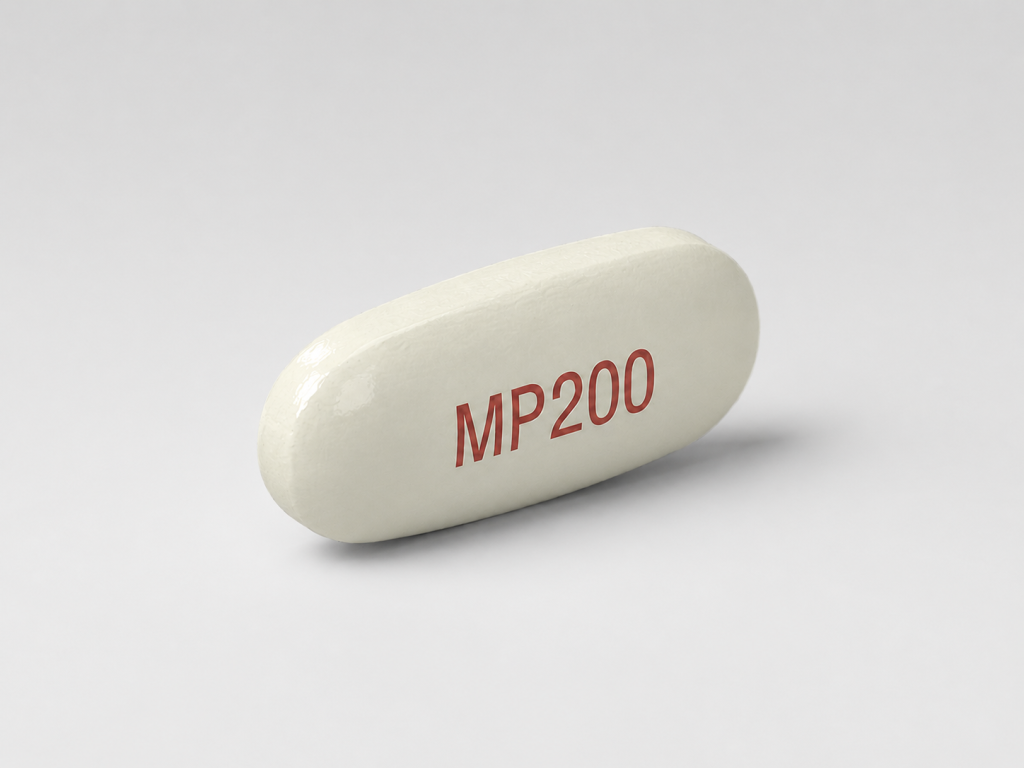
Kyzatrex®
An FDA approved oral testosterone replacement therapy option for men.

Pregnyl® (Human Chorionic Gonadotropin)
Also known as HCG, prescribed off label to maintain testicular function and fertility during TRT.
Important: Compounded testosterone preparations are not FDA approved. The FDA does not evaluate compounded products for safety, effectiveness, or quality. Not available in all 50 states. Prescription products require an online consultation with a healthcare provider who will determine if a prescription is appropriate.
Kyzatrex® is the registered trademark of Marius Pharmaceuticals, Inc. Alchemical Transformations Health Services, PC. is not affiliated with or endorsed by Marius Pharmaceuticals, Inc.
Pregnyl® is the registered trademark of Organon LLC. Alchemical Transformations Health Services, PC. is not affiliated with or endorsed by Organon LLC.
From intake to treatment in four steps.
No monthly subscriptions or hidden fees.

Online Assessment
Complete a brief intake covering your health history, current symptoms, and what you are looking to address.

Lab Testing
Select one of our blood work panels and complete your draw at a Quest location near you, or send us labs from the last 3 months. At-home draws are available for an added fee.

Provider Consultation
Your licensed medical provider reviews your results, explains what they mean, and builds your treatment plan for you.

Start Treatment
If treatment is clinically appropriate, your provider prescribes through one of our licensed partner pharmacies and your medications ship directly to your home.
Learn More
Expert insights and educational resources
No blog posts selected. Please select posts in the element settings.